
Catalysing India’s Rise in Global Aviation Finance
The article co-authored by Nand Gopal Anand, Partner and Vrindesh Patel, Sr. Associate from JSA’s Banking & Finance practice dwells upon India’s evolving legal and tax framework for aircraft leasing, the strategic role of GIFT City in competing with global aviation finance hubs and how the recent legislative reforms support capital self-reliance in aviation, aligned with the ‘Atmanirbhar Bharat’ vision.
India’s aviation sector has rapidly become a focal point in global markets, underpinned by robust economic growth, burgeoning middle class, and progressive policy reforms. Today, India stands as the third-largest domestic aviation market. Recent initiatives, such as the expansion of UDAN scheme, and development of 50 new airports, alongside ongoing Greenfield developments of Noida and Navi Mumbai International Airports, reflect Government’s comprehensive strategy to promote air travel and foster inclusive regional growth and connectivity.
Building on this momentum, Indian airlines have been placing record-setting aircraft orders, to cater the current and anticipated demand. This presents a unique opportunity for India to evolve from a high-demand market into a global centre for aircraft leasing and financing. Traditionally, this market has been dominated by jurisdictions like Ireland, Singapore, and Hong Kong, owing to their favourable tax and legal regimes.
The Gujarat International Finance Tec-City (GIFT City) encompasses the required catalysts for achieving India’s ambition to become a global aviation finance hub, by providing a competitive platform for financial services and cross-border transactions. Progressively, the Government and the International Financial Services Centres (IFSC) Authority have introduced comprehensive incentive regime, including direct and indirect tax benefits, amongst other regulatory advantages, to attract global lessors and financiers to operate from GIFT City.
However, establishing a successful aircraft leasing and finance market requires a strong regulatory foundation and legal certainty, along with fiscal incentives. Historically, India’s aircraft leasing framework suffered from procedural delays, inadequate creditor remedies, and jurisdictional ambiguity (as witnessed in the Go First Airlines insolvency saga). Recognizing these challenges, the Government has implemented critical legislative reforms over the years such as:
* IBC Carve-Out for Aircraft (October 2023):By way of a notification under Section 14(3)(a) of the Insolvency and Bankruptcy Code, 2016 (IBC), aircraft and aviation assets were exempted from the automatic moratorium, enabling timely asset repossession by lessors and creditors during insolvency.
* The Bharatiya Vayuyan Adhiniyam, 2024: Replacing the nearly century-old Aircraft Act, 1934,this modern legislation enhances the DGCA’s enforcement powers and aligns Indian aviation law with International Civil Aviation Organization norms.
* Protection of Interests in Aircraft Objects Act, 2025:India’s most consequential aviation finance statute to date, this Act implements the Convention on International Interests in Mobile Equipment (CIIME) and Protocol to the CIIME on Matters specific to Aircraft Equipment, which India ratified in 2008. Effective May 1, 2025, the Act introduces internationally harmonized protections for lessors, financiers, and secured creditors.Key features include a national registry with DGCA, repossession within 60 days without judicial intervention and detention of aircraft by the Government.
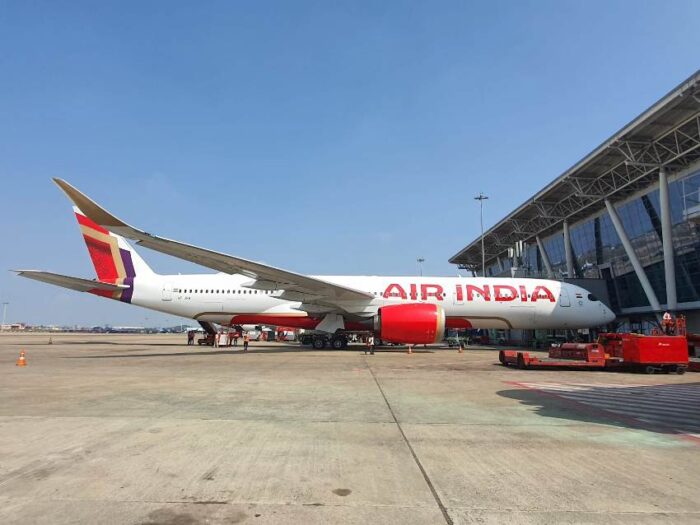
These reforms signal that the regulatory framework in India has sufficiently matured to support a thriving aircraft leasing and financing market in GIFT City.The transformational potential was demonstrated in March 2025 when AI Fleet Services Ltd., a Tata Group subsidiary, secured a long-term USD financing for the acquisition of 34 Airbus A350-900 aircrafts for Air India. Structured entirely within GIFT City, without relying on traditional offshore jurisdictions, this deal marked a definitive pivot towards self-reliance in aviation finance and showcases the readiness of India’s IFSC ecosystem.
With consolidations such as Air India and Vistara, new entrants like Akasa Air, and aggressive fleet expansions, capital demand in India’s aviation sector is surging. With the implementation of the Aircraft Objects Act and continued development of GIFT City, India has all the ingredients to emerge as a significant player in global aviation finance. Aligning with the vision of ‘Atmanirbhar Bharat’,catering the capital demand for India’s aviation sector from financial capabilities within the country’s institutional framework, i.e.,GIFT City,offers a remarkable opportunity to establish India as a leading global aviation leasing and financing hub, extending benefit to all stakeholders.
( Views expressed are personal)