
Defence

Defence

Dronamics and HENSOLDT demonstrate ISTAR and Airborne Early Warning on the Black Swan

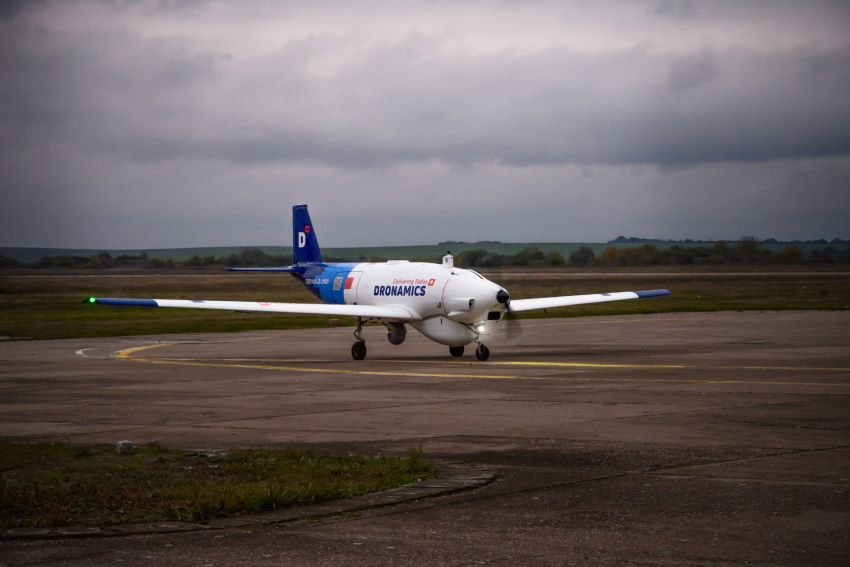
Sofia( Bulgaria) and Taufkirchen( Germany),11 November 2026 : Dronamics and HENSOLDT have demonstrated Europe’s first unmanned airborne early warning (AEW) system combined with intelligence, surveillance, target acquisition and reconnaissance (ISTAR) capability. As part of the campaign, HENSOLDT’s MissionGrid sensor suite was integrated, test-flown and validated on board a full-scale Dronamics Black Swan unmanned aerial vehicle (UAV) and the combined platform was subsequently demonstrated in flight in Bulgaria in front of prospective end users and representatives of various armed forces and government operators, generating significant customer interest. This is the first time HENSOLDT’s MissionGrid sensor suite with MissMarvin mission management software, PrecISR radar and electro-optical Argos sensor have been demonstrated on an unmanned platform in a fully integrated solution. Furthermore, the outstanding operational performance of HENSOLDT’s software suite MDOcore was successfully demonstrated in flight. Integrated into the Black Swan UAV, MDOcore ensured secure, real-time, cross-domain networking as part of Multi-Domain operations scenarios. Named Dronamics Detect & Defend, the combined solution was first announced at the Munich Security Conference earlier this year. This fully European AEW system combines the endurance, payload capacity and range of Dronamics’ drone technology with HENSOLDT’s state-of-the-art mission sensor systems, making the Black Swan among the most versatile NATO Class III UAS. ITAR-free, it has capabilities to detect and identify targets across ground, maritime and air domains. Expected to cost significantly less than legacy manned AEW platforms, the unmanned solution seeks to provide significant operational improvement at a time of escalating security concerns across Europe’s Eastern Flank including the Black Sea. At a time when European NATO members are ramping up their defense spending, the integrated HENSOLDT AEW and ISTAR capabilities of the Dronamics Detect and Defend solution can make it relevant for four of the recently adopted five European Defense Projects of Common Interest (EDPCIs) – Drone and Counter-Drone European Resolve, Integrated Maritime and Seabed Defense, EU Federated Integrated Air and Missile Defense, including Early Warning, and Eastern Flank Watch. Its EU origin can make it relevant for Made in EU procurement under the SAFE Instrument and other EU programs. The demonstration covered several mission sets of the joint solution, including air-to-ground detection and tracking of ground targets, including moving vehicles, stationary assets, as well as geolocation, and air-to-maritime detection of vessels on the Danube River. Announced in Q1. Integrated in Q3. Demonstrated in Q4. When the partnership launched in February 2026, Dronamics and HENSOLDT set out to build a 100% Made in Europe unmanned AEW and ISTAR solution. The aim: give countries the ability to continuously detect and target multi-domain threats from the air and keep European skies under European control. The companies had planned demonstrations for later in the year with that program milestone now achieved. The Black Swan is a long-range, fixed-wing unmanned aircraft, designed for multiple missions, with payload-agnostic capacity. Its heavy-lift capability allows HENSOLDT’s ISTAR systems to be integrated in several configurations. MissionGrid fuses data from HENSOLDT’s radar and electro-optical sensors so that a single aircraft can deliver multiple missions. PrecISR is software-defined and built to operate 24/7 in all weather conditions against conventional and asymmetric threats on the ground, at sea and in the air. Dronamics and HENSOLDT intend to continue their collaboration with a view towards operational deployment. As set out at the launch of the companies’ partnership in February 2026, the focus is on strengthening Europe’s capabilities, addressing urgent security needs along its Eastern Flank and in the Black Sea region. “In February we said we would demonstrate European sensors on a European unmanned aircraft in front of the people tasked with defending Europeans. We have done exactly that. A NATO Class III strategic unmanned platform carrying out airborne early warning, built in Europe, for a significantly lower cost than traditional manned AEW platforms. That is what sovereign EU capability looks like and it is what follow-through looks like. We are grateful to the HENSOLDT team for a partnership that delivers and we are excited about being able to contribute to the defense of Europe,” said Svilen Rangelov, Co-Founder and President, Dronamics. “With these successful flight demonstrations, we have underlined our expertise as a leading systems integrator and pioneer of Software-Defined Defence. Together, we have taken an important step towards realising our shared vision of providing a sovereign, EU-manufactured capability in the NATO Class III UAV category for strategic surveillance, including the detection of low-flying targets,” said Dietmar Thelen, Member of the HENSOLDT Group Executive Board and Head of Division Multi-Domain Solutions at HENSOLDT.  
Defence

U.S. Marine Corps orders additional UC-12W+ aircraft

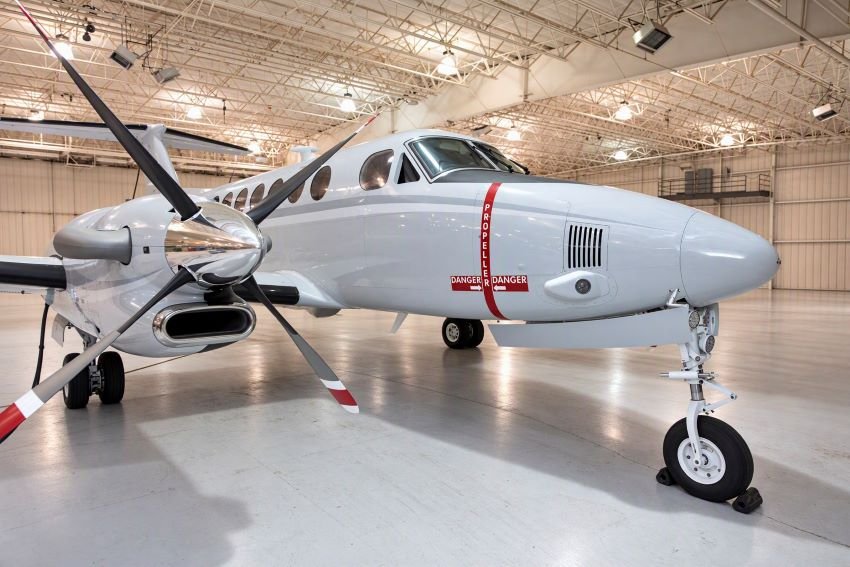
(Banner Image Caption: A Beechcraft King Air 360CER configured for the U.S. Marine Corps UC-12W+ mission) Multi-mission Beechcraft King Air 360CER provides flexible passenger, cargo and medical transport for time-sensitive Marine Corps operations Wichita, Kansas,10th Nov 2026: The Naval Air Systems Command has ordered Textron Aviation a firm-fixed-price contract for one Beechcraft King Air 360CER aircraft, designated the UC-12W+, and an initial package of spare parts for the U.S. Marine Corps. The award supports the Corps’ need for fast, flexible passenger and cargo transport. THE AWARD: Naval Air Systems Command awarded the $18.6 million contract on Sept. 28, 2026. It includes one UC-12W+ aircraft plus initial spares. The aircraft is scheduled for delivery in 2028. WHY IT MATTERS: The UC-12W+ is a tactical airlift platform built for short-notice, time-sensitive and high-priority missions. Its cabin is easily reconfigurable to support passenger, cargo and mixed-use utility layouts. It can also carry medical evacuation litters, giving Marine units one aircraft for many transport needs. BUILT FOR THE MISSION: Based on the rugged King Air 360CER, the aircraft pairs extended-range fuel tanks and a large cargo door with Collins Aerospace Pro Line Fusion avionics and Pratt & Whitney Canada PT6A-60A engines. Mission equipment includes secure military avionics and communications, night-vision-compatible lighting, weather detection, gravel-runway protection and aircraft survivability systems. An eight-seat passenger layout can be reconfigured when the mission calls for cargo or medical transport. The U.S. Marine Corps’ active Operational Support Airlift inventory includes nine operational UC-12W and UC-12W+ aircraft. With this latest award, four additional UC-12W+ aircraft are in production and expected to be delivered in 2028. The program calls for a projected fleet of 30 UC-12W aircraft. These modern, multi-mission turboprops are steadily replacing legacy, nondeployable UC-12F, UC-12M and UC-35D utility aircraft. The fleet operates from various U.S. Marine Corps Air Stations and transportation squadrons, to include Camp Pendleton, California.  

Defence

India Must Move from ‘Make in India’ to ‘Owned by India’ in Defence Manufacturing: General Manoj Pande

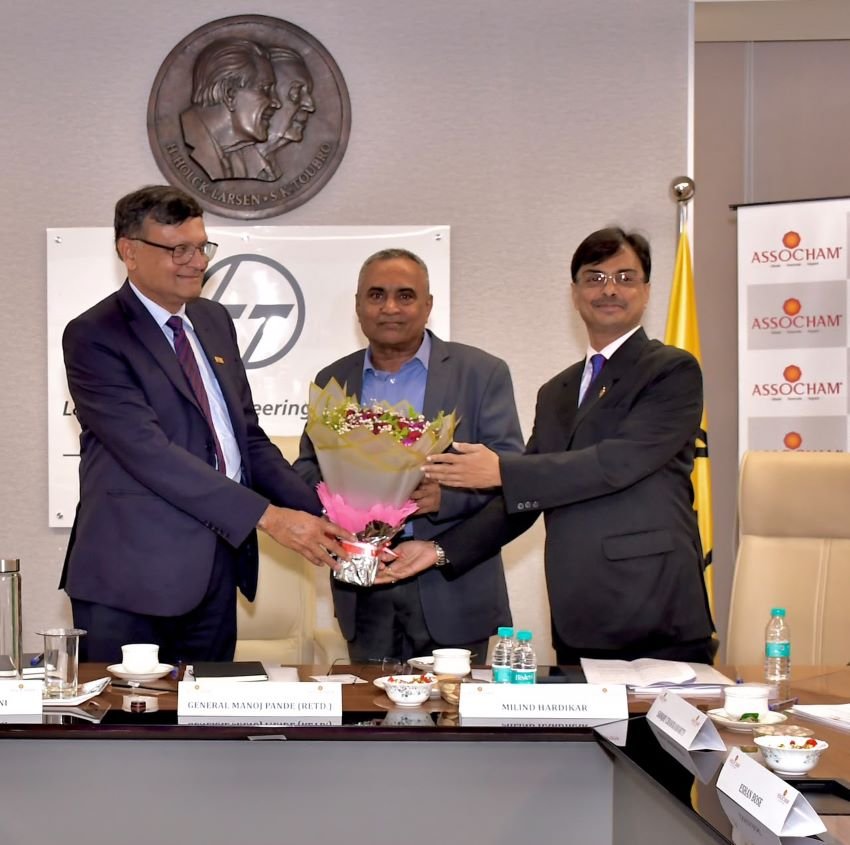
Mumbai, 9th November 2026: India’s defence manufacturing priorities are increasingly shifting from assembly-led production towards indigenous technology ownership and innovation, observed General Manoj Pande, PVSM, AVSM, VSM, ADC (Retd.), Former Chief of the Army Staff, while addressing the first stakeholders meeting of the ASSOCHAM Maharashtra Aerospace and Defence Council. Emphasising the government’s evolving approach, he stated, “The focus is clearly shifting from Make in India to Owned by India,” underscoring the importance of developing indigenous intellectual property, technologies and subsystems to strengthen India’s defence capabilities and strategic self-reliance. He added, “People have realised that it is no longer enough to get a transfer of technology (ToT) from outside and simply assemble things here. You need to have your own IP in technologies and subsystems. I think that is where the government wants to move.” The Aerospace & Defence Committee Stakeholders Meeting, organised by the ASSOCHAM Maharashtra State Council, brought together eminent industry leaders, defence sector representatives and key stakeholders to deliberate on emerging opportunities and the evolving landscape of India’s aerospace and defence manufacturing sector. The meeting provided a platform for meaningful dialogue, exchange of industry perspectives and strengthened stakeholder engagement, with a focus on fostering collaboration and positioning Maharashtra as a leading destination for defence manufacturing, innovation and technological development. Addressing the meeting, Arun T Ramchandrani, Sr VP & Head – L&T Precision Engineering & Systems, and President, SIDM, said, “The scale of the domestic industry today, the output of the industry, is about ₹1,80,000 crore in the last financial year. We are seeing regular growth and a large thrust on self-reliance and domestic product development, so there is huge evolution.” Speaking at the meeting, Milind Hardikar, Chairman, ASSOCHAM Maharashtra State Council, said, “Today, this industry sits at the intersection of national security, strategic autonomy, advanced technology, and industrial competitiveness. The future will be shaped not just by manufacturing capacities, but it will be increasingly dependent on ability to design a product, develop, manufacture and continuously upgrade advanced technologies and systems.” Addressing the meeting virtually, Saurabh Sanyal, Secretary General, ASSOCHAM, said, “Our focus therefore must now be to move beyond import substitution towards indigenous design, technology development, manufacturing, innovation and exports. Maharashtra is particularly well positioned to contribute to this national ambition, given its strong industrial base, engineering capabilities, aerospace and automotive ecosystem, MSMEs, research institutions and skilled workforce.” At the meeting, Sanjay Chakraborty, Chairman, Aerospace & Defence, ASSOCHAM Maharashtra State Council; and Vice President & Head – Corporate Center, L&T Precision Engineering and Systems, said, “The strength of an ecosystem lies not merely in the capabilities of its individual constituents, but in how effectively they connect, collaborate and complement one another. Our aim is to build a defence and aerospace ecosystem in Maharashtra that is greater than the sum of its parts.” The discussion highlighted the growing scope for indigenous manufacturing, technology development and domestic sourcing, while emphasising the need to move beyond conventional production and retrofit-based activities towards greater ownership of technology and intellectual property. Participants also highlighted opportunities in specialised alloys, submarine components, stealth and signature management technologies, aerospace engineering, MRO services, advanced manufacturing and dual-use technologies. A key area of deliberation was the need to address industry-wide challenges through stronger institutional and policy-level engagement. Participants highlighted the need for greater interaction between industry, the armed forces and government stakeholders to better understand operational requirements, facilitate technology adoption and improve the responsiveness of procurement processes. Concerns were also raised regarding high production costs, limited flexibility in design modifications, delayed payment cycles, working capital constraints and difficulties in accessing institutional finance. The availability and retention of skilled manpower emerged as another important concern, with suggestions to explore structured skilling initiatives and greater industry participation in developing job-ready talent. The need to integrate banking and financial institutions into the council’s engagement framework was also proposed. The establishment of a dedicated testing and validation facility or sandbox in Maharashtra also emerged as a key proposal during the discussion. Discussions revolved around transitioning from individual industry dialogue towards structured collective action through dedicated working groups, member-led initiatives and clearly defined responsibilities. It was proposed that the council identify priority areas, appoint initiative champions, engage relevant government departments and institutional partners, and develop a member-owned charter with measurable outcomes. The proposed roadmap envisages consolidating priorities over the coming months, finalising the charter and working group structures by March 2027, and commencing implementation from April 2027. The meeting concluded with a vote of thanks by Ms. Perminder Jeet Kaur, Head – States & Union Territories, ASSOCHAM, who expressed her gratitude to the speakers and participants for their valuable contributions and reiterated ASSOCHAM’s commitment to fostering a collaborative defence and aerospace ecosystem. She highlighted the importance of stronger industry–government engagement, greater interaction with the armed forces and the need to move towards indigenous technology ownership. She also suggested exploring the learnings from IIT Kanpur’s proposed technology sandbox for drones and aerospace to support the development of a similar facility in Maharashtra. ( The news is published unedited)  

Defence

Saab unveils its AI agents for future fighter systems

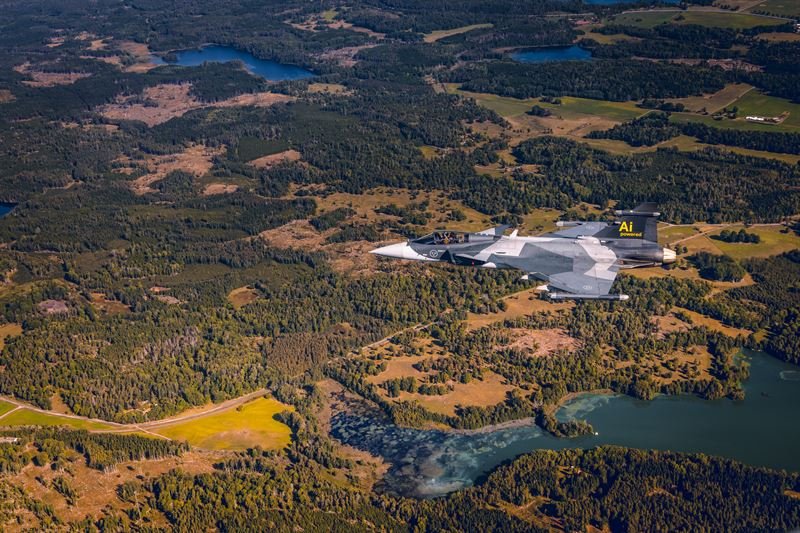
Saab is revealing its own in-house, flight proven Artificial Intelligence (AI) agents and has flown them on Gripen E. By doing so, Saab has demonstrated its ability to develop, train, and fly its own AI for air combat, taking it all the way from concept to an operational fighter aircraft. AI is one of a series of key technologies within future fighter development and Saab, within its Advanced Programs business unit, has developed a family of AI agents as part of the technology pillars that contribute to its position as a world-class fighter company. The family of agents utilize various AI techniques to master tactical decision-making in complex operational environments. To accomplish this, the agents need to learn, adapt, and collaborate with pilots and operators across a range of mission tasks. The agents can support the pilot in the cockpit or operate alongside pilots in its own unmanned air platform. The agents, training environments, and supporting development tools have all been developed within Saab. This provides full control over how the agents operate, how they are verified, and how they continue to evolve. “We have not only built our own AI agents, but we have also flown them. This demonstrates our capability to develop AI agents that can be integrated into operational fighter aircraft. The future of air combat will not be defined by individual platforms acting alone, but by networks of crewed and uncrewed systems working together as a coordinated force. Through our ownership of the entire technology stack, we are building the capabilities needed for that future,” says Peter Nilsson, head of Advanced Programs at Saab’s business area Aeronautics. A key part of this effort is Saab’s AI Fighter Pilot Academy. The initiative develops the agents while simultaneously building the infrastructure required to create, train, and evaluate AI agents across a wide range of scenarios and platforms. Together with Gripen E, whose disruptive architecture enables the rapid integration and testing of new technologies, even in civilian airspace, Saab controls the entire development chain in-house, from simulation to flight testing. Supporting Saab’s ability to scale this work is Sferical AI, a Swedish sovereign AI initiative providing secure, large-scale computing capacity for advanced AI development. Saab is a founding partner in the initiative. Within the AI Fighter Pilot Academy, agents are trained in simulated environments across multiple air combat capabilities. By accumulating millions of simulated flight hours across a wide range of operational scenarios, they can explore tactics and decision paths far beyond what any individual pilot could experience in a lifetime. Through continuous evaluation of actions against defined objectives, the agents learn to adapt and improve their performance. Beyond Visual Range (BVR) air combat is one such capability, and it has now been validated under real flight conditions. The supporting infrastructure has been designed for reuse, enabling new capabilities, scenarios, and platforms to be added without rebuilding the development framework. AI for fighter aircraft must be trusted. For that reason, safety and control are integrated into the development process from the outset rather than added afterwards. Saab is now continuing to expand the capabilities of its agents and to fly them in a broader range of scenarios. The infrastructure developed within the AI Fighter Pilot Academy provides an important foundation for unmanned platforms. Future air combat is expected to rely on crewed and uncrewed systems operating together, and sovereign verified AI will be a critical capability in that environment. With experience spanning multiple generations of fighter aircraft, Saab is well positioned to lead that development. During the flight trials, the agent autonomously controlled the aircraft in BVR combat scenarios. Gripen E’s software-defined architecture enables new AI software to be integrated and flown in an operational fighter aircraft without the need for dedicated experimental platforms. This shortens development cycles and allows new technologies to be translated into operational capability more rapidly.

Defence

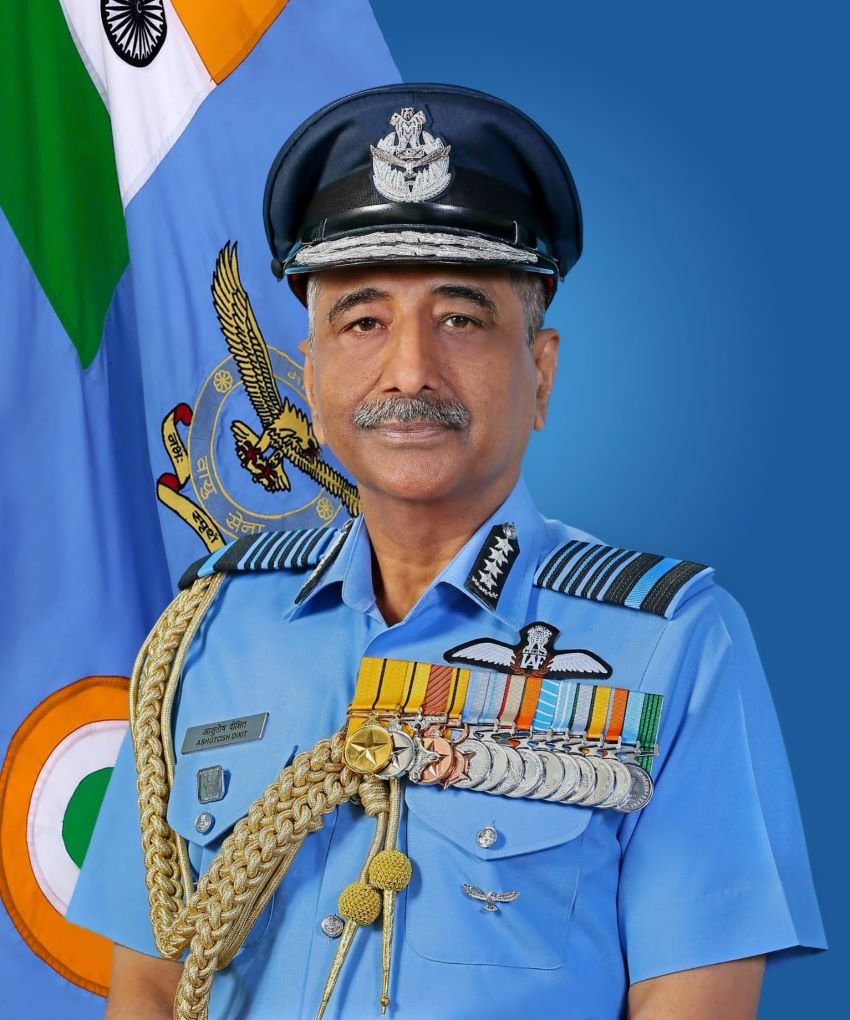
Air Chief Marshal Ashutosh Dixit Pvsm AVSM VM VSM assumes charge as Chief of the Air Staff, IAF

New Delhi, 2nd Nov 2026: Air Chief Marshal Ashutosh Dixit PVSM AVSM VM VSM has assumed charge as the 29th Chief of the Air Staff on 31 October 2026. He succeeds Air Chief Marshal    AP Singh, PVSM  AVSM, who superannuated after 42 years of distinguished service to the nation. An alumnus of the National Defence Academy, Air Chief Marshal Ashutosh Dixit was commissioned into the Fighter Stream of the Indian Air Force on 06 December 1986. Over a career spanning four decades, the Air Chief has rich experience across diverse domains such as Operations, Flight Testing, Capability Development and Joint Staff assignments. An accomplished Fighter Pilot, Qualified Flying Instructor and Experimental Test Pilot, he has over 3,500 hours of flying experience on a wide range of aircraft, including the Mirage-2000, various MiG variants, Jaguar and several transport aircraft. Widely recognised for his contribution to the modernisation of the Indian Air Force, he was instrumental in finalising the Jaguar and MiG-27 upgrade projects and in the completion of the Initial Operational Clearance (IOC) and Final Operational Clearance (FOC) activities of the LCA MK-I Tejas. His operational command assignments include command of a Mirage-2000 Squadron, a Forward Base Support Unit in the Western Sector and Air Force Station Bidar, a premier fighter training base of the IAF. The Air Officer has served as Air Defence Commander at Southern Air Command, Senior Air Staff Officer at South Western Air Command and Deputy Chief of the Air Staff, steering key capability development and procurement initiatives. He subsequently commanded Central Air Command as Air Officer Commanding-in-Chief and later served as Chief of Integrated Defence Staff to the Chairman, Chiefs of Staff Committee during Operation Sindoor. Prior to assuming charge as Chief of the Air Staff, he served as the Vice Chief of the Air Staff. Air Chief Marshal Ashutosh Dixit is an accomplished graduate of the Defence Services Command and Staff College, Bangladesh, and the National Defence College, New Delhi. He is a recipient of the Vayu Sena Medal, Vishisht Seva Medal, Ati Vishisht Seva Medal and Param Vishisht Seva Medal in recognition of his distinguished service to the nation. (Courtesy: PIB/MOD)

Defence

Embraer and Mahindra Group Advance Plans for C-390 Millennium Industrialization in India

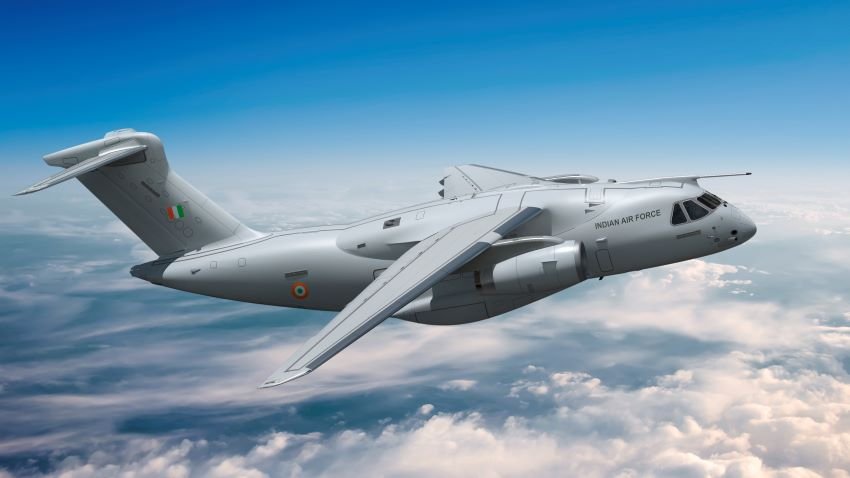
Mumbai, October 4, 2026 : Embraer and Mahindra Group are continuing preparatory discussions and planning activities regarding an industrial and support ecosystem for the C-390 Millennium in India, as the companies jointly pursue the Indian Air Force (IAF) Medium Transport Aircraft (MTA) programme. As part of their ongoing preparations, Mahindra and Embraer are working with the Government of Maharashtra and have identified Nagpur for a potential Final Assembly Line for Embraer C-390 Millennium aircraft production in India. The proposed facility would support the local assembly and industrialisation of the aircraft in India, subject to the Embraer C-390 Millennium being selected by the Government of India and an order being placed under the IAF’s MTA programme. The companies are working closely with the Maharashtra Government on completion of the associated processes, with the objective of ensuring that the required industrial infrastructure can be progressed expeditiously if the programme is awarded to the partnership. Bosco da Costa Junior, President & CEO Embraer Defense & Security, “Embraer is pleased to deepen its partnership with Mahindra as we advance our preparations to bring the C-390 Millennium’s industrial capabilities to India. Identifying Nagpur as a potential location for an assembly facility is an important step in building a robust, long-term aerospace ecosystem in the country. We value the support of the Government of Maharashtra and look forward to working closely with our partners to strengthen India’s indigenous aerospace and defence capabilities, subject to the C-390 Millennium being selected for the Indian Air Force programme.” Vinod Sahay, Member of the Group Executive Board, Mahindra Group, “Mahindra is committed to building a globally competitive aerospace ecosystem in India and to creating meaningful manufacturing and technology capabilities that contribute to the country’s Atmanirbhar Bharat ambitions. As we work with Embraer on the C-390 Millennium, we are preparing the industrial ecosystem required to support the programme at scale. Nagpur offers a compelling opportunity for such a capability, and we are very grateful to the Government of Maharashtra on expeditiously allotting the land in Nagpur and helping with the related requirements. These preparations are, of course, subject to the selection of the C-390 Millennium by the Government of India and the placement of the IAF order.” The proposed Nagpur facility would be a state-of-the-art facility in India bringing knowhow on aircraft assembly, system integration, manufacturing engineering, local supply chain development and others into the country. Subject to the programme award, the partnership intends to progressively integrate Indian aerospace companies into the C-390 Millennium ecosystem, to deliver manufacturing, aftermarket services, training and lifecycle support, in line with the Government of India’s Make in India and Atmanirbhar Bharat objectives. Embraer and Mahindra entered into a Strategic Cooperation Agreement in October 2025 to jointly advance the C-390 Millennium for the IAF’s MTA programme, building on their earlier MoU signed in February 2024. The agreement envisages collaboration on industrialisation, local manufacturing, assembly, supply chain development and MRO activities in India. In February 2026, the companies also announced plans to work towards establishing a C-390 Millennium MRO capability in India, subject to the aircraft’s selection under the MTA programme. The C-390 Millennium is a multi-mission military transport aircraft designed to perform a range of missions including troop and cargo transport, airdrop operations, medical evacuation, search and rescue, firefighting and humanitarian missions. The aircraft has a payload capacity of up to 26 tonnes and is designed to operate from temporary or unpaved runways. The proposed industrialisation programme would leverage Embraer’s aerospace engineering and aircraft manufacturing expertise with Mahindra’s established manufacturing capabilities and extensive Indian industrial ecosystem. The companies will continue to engage with the Government of India, the Indian aerospace ecosystem and the Government of Maharashtra as they progress preparations for the programme. *This release contains forward-looking statements regarding potential industrial activities, manufacturing capabilities, facilities, collaborations and business opportunities. Such statements are based on current expectations and assumptions and are subject to numerous risks and uncertainties, including the outcome of the Indian Air Force Medium Transport Aircraft procurement process, governmental approvals, the execution of definitive agreements and other factors beyond the parties’ control. Actual results may differ materially from those expressed or implied by these forward-looking statements.

Defence

Suryakiran Aerobatic Team takes to Meerut skies for the first time

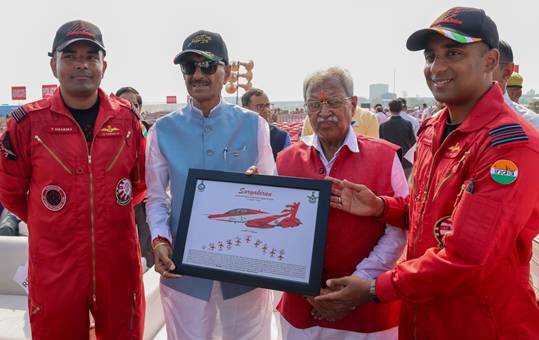
Meerut, 21 September 2026: The Suryakiran Aerobatic Team of the Indian Air Force took to the skies of Meerut for the first time on September 19 and 20, 2026, captivating spectators with a breathtaking display. Over 1 lakh people, including students, National Cadet Corps cadets and National Service Scheme volunteers turned up over two days to witness the display. Notably, three members of the SKAT team, including two pilots who performed aerobatics, are from Meerut. On September 20, 2026, the show was witnessed by Raksha Rajya Mantri Shri Sanjay Seth. Posting on X, Shri Sanjay Seth described the event as a remarkable blend of discipline, precision, teamwork, and professionalism, and a testament to the Indian Air Force’s glorious capabilities. He commended the courage and dedication of SKAT which has performed in over 800 airshows, both in India and abroad, in its 30-year journey, so far. Posting on X on the first day of the display, Chief Minister of Uttar Pradesh praised the precision and courage of SKAT pilots who painted the sky in the colours of the Tricolour, showcasing breathtaking precision and courage. He called it a proud and inspiring moment for the state and a nation as a whole. Other dignitaries who witnessed the show include Rajya Sabha MP Dr Laxmikant Bajpai, UP Minister of State Shri Somendra Tomar, and Members of the Legislative Council Shri Ashwini Tyagi and Shri Dharmendra Bhardwaj.

Defence

HAL hands over 2 LCA Twin Seaters, 3 HTT-40s & 4 Dhruv NG helicopters

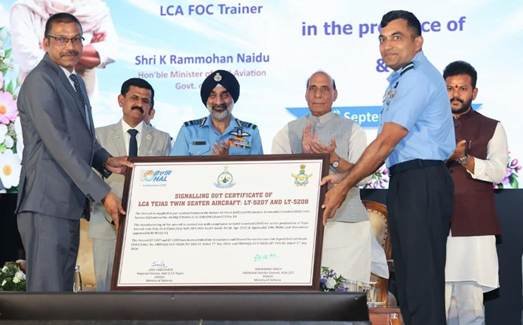
India, 19 September 2026: Hindustan Aeronautics Limited handed over two Light Combat Aircraft Tejas Final Operational Clearance Twin Seater Trainers & three HTT 40 Basic Trainers to the Indian Air Force, and four Dhruv Next Generation helicopters to Pawan Hans Limited in the presence of Raksha Mantri Shri Rajnath Singh and Minister of Civil Aviation Shri K Rammohan Naidu in Bengaluru, Karnataka on September 18, 2026. In his address, Raksha Mantri described the handing over as a significant milestone in the nation’s progress towards indigenous aerospace capability, technological self-confidence and self-reliance. “Our aim is to make India capable, self-reliant, and globally competitive in meeting its aerospace requirements,” he said. Shri Rajnath Singh asserted that India is moving systematically towards Aatmanirbharta in defence, as the nation is manufacturing the state-of-the-art equipment indigenously ever since Prime Minister Shri Narendra Modi-led Government began working with the core mantra of self-reliance. “We’ve taken steps to not only provide the opportunity to Defence Public Sector Undertakings to advance in the defence sector, but also encourage the private industry, ensuring a level playing field,” he added, while listing the steps taken by the Ministry of Defence to promote self-reliance. Raksha Mantri stressed the need to advance systematically in the aerospace sector, terming self-reliance in the domain as the need of the hour. “There can be no sudden ‘big bang’ in the development of aerospace systems. It is a vast and gradual process involving a wide range of components. All the products and components involved represent small rungs on a long ladder; we must move forward one step at a time. Naturally, there would be challenges, but we need to view them as milestones on a larger roadmap to achieve progress in a sector as complex and crucial as aerospace,” he said. Shri Rajnath Singh also termed the handing over ceremony as a symbol of the growing synergy between civil aviation and defence aerospace capabilities, emphasising that the development of a robust aerospace industry should not be limited merely to meeting defence requirements. He called for building an ecosystem capable of effectively addressing the needs of both the civil and military aviation sectors. “When capabilities such as aircraft design, avionics, propulsion, composite materials, flight control systems, manufacturing, and certification are developed within the country, they benefit the entire aerospace sector. We must build an integrated aerospace ecosystem which is self-reliant across every domain. I am confident of achieving this endeavour through our collective strength,” he said. Asserting that the nature of warfare is rapidly evolving, and future air operations will be information-intensive and technology-driven, Raksha Mantri underscored the importance of developing complex systems indigenously. He stated that combat effectiveness can only be ensured through a combination of well-trained personnel, advanced technology, integrated systems, and rapid decision-making, expressing confidence that LCA FOC Trainer will play a crucial role in preparing the pilots for this demanding operational environment. “While the Dhruv-NG exemplifies our indigenous civil aerospace prowess, LCA FOC Trainer stands as a symbol of indigenous military aerospace capability and the maturity of its fighter aircraft ecosystem,” he added. On the HTT-40, Shri Rajnath Singh stated that India had, for years, relied on imported aircraft to meet its basic training requirements, but HAL is now indigenously manufacturing HTT-40 to cater to the needs of IAF. Highlighting the aircraft’s export potential, he expressed confidence that the HTT-40 would find demand in international markets and fulfil its intended role in strengthening India’s aerospace capabilities. Raksha Mantri highlighted HAL’s expertise across aircraft manufacturing, helicopter development, overhaul, repair, maintenance and aerospace engineering,  calling it a pillar in India’s endeavour to build indigenous aerospace capabilities. He exhorted the DPSU to further expand its capabilities across the entire aerospace value chain, including design, development, manufacturing, certification, lifecycle support and global marketing. Shri Rajnath Singh called for realistic project timelines to address delays in ongoing technical projects. He noted that delays can create gaps in meeting critical defence requirements, lead to cost escalations and increase the risk of technology obsolescence. Terming R&D as a crucial priority area, Raksha Mantri urged young scientists, engineers, designers, test pilots, and technicians to take it as a challenge to create technologies that do not exist today. He called upon them to develop capabilities that secure a leading position for India in the global aerospace technology landscape over the coming decade. Shri Rajnath Singh stressed the need to not view public and private sectors as competitors, but collaborators. “There is a need for enhanced public-private synergy to build next-gen indigenous aerospace capabilities. By working together, we can accelerate the growth of India’s aerospace sector. We must prepare for the sector’s transformation through Artificial Intelligence, autonomous systems, unmanned aerial systems, electronic warfare, cyber technologies, and next-generation propulsion, with a strong focus on their indigenous development and integration. Let us all resolve to make India not only self-reliant in the field of aerospace technology but also a global leader,” he said. Speaking on the occasion, Minister of Civil Aviation Shri K Rammohan Naidu said that the certification and induction of the Dhruv NG into civil operations marked an important milestone for India’s indigenous civil aviation ecosystem. He termed it as a reflection of the growing capability of Indian industry to develop and support advanced aerospace platforms for commercial applications. CMD, HAL Shri Ravi K stated that the handover of Tejas FOC Twin Seater Trainers, HTT 40 Basic Trainers and Dhruv NG helicopters demonstrates HAL’s ability to develop and deliver platforms for diverse civil and defence requirements. These two platforms, he added, reflect the depth of capability that HAL has built over the years and the strength of the indigenous aerospace ecosystem that supports them. Chief of the Air Staff Air Chief Marshal AP Singh; Secretary Shri Sanjeev Kumar; and Secretary, Ministry of Civil Aviation Shri Samir Kumar Sinha attended the event. The LCA Twin Seater Trainers are the final two aircraft under the FOC contract. The aircraft will support the Indian Air Force’s training requirements and provide pilots with an indigenous training

Defence

IAF’s Sarang Helicopter team reaches Egypt for the El Alamein International Airshow

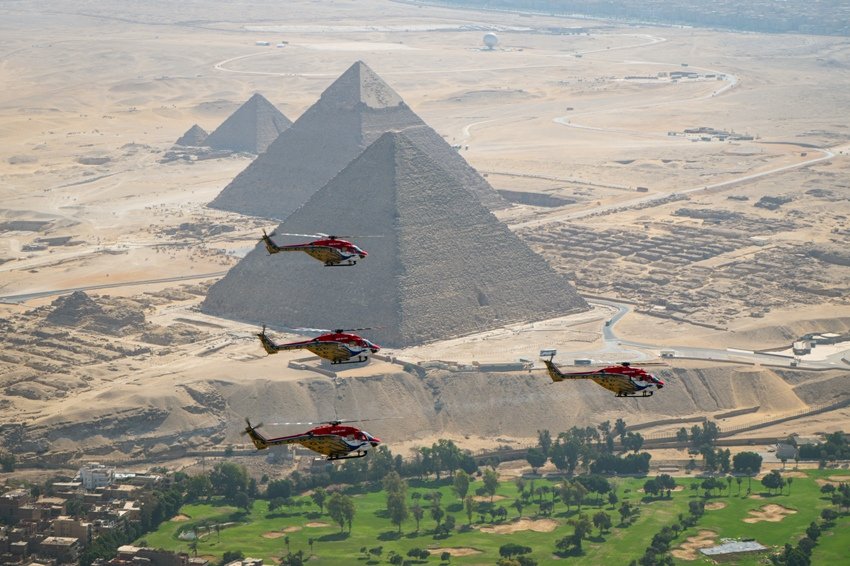
Cairo, 7th Sept 2026: The Sarang Helicopter Display Team of Indian Air Force has reached Egypt to participate in the 2nd edition of the EI Alamein International Airshow, scheduled to be held from 08 to 10 September 2026 at EI Alamein International Airport. The IAF Sarang team is the world’s only five helicopter display team. The team will showcase precision, professionalism and flying skills through a series of meticulously choreographed displays. This marks another significant milestone in international engagements by the Indian Air Force reflecting growing defence and diplomatic ties between India and Egypt. Flying the indigenously designed and manufactured Advanced Light Helicopter (ALH) Dhruv, the Sarang team is renowned for its demanding formation manoeuvres close-proximity flying and synchronised aerial sequences. The display highlights not only the exceptional skill and discipline of its pilots but also the capabilities of India’s indigenous aerospace industry. The Sarang team will display its famous “Dolphin Leap” manoeuvre and also present a new manoeuvre called the Spot Stall Turn. The team’s participation will provide an opportunity for spectators and aviation enthusiasts from across the world to witness the versatility and agility of the ALH Dhruv while witnessing the bold spirit of the Indian Air Force. The El Alamein International Airshow brings together leading Air Forces as well as professionals in the aerospace, defense, and space sectors from around the world The Sarang display over Egyptian skies will add a distinctive dimension to the event, besides strengthening ties with other International teams from across the world. Aviation World is the official Media Partner of EI Alamein International Airshow 2026.

Defence

Raksha Mantri holds bilateral talks with Belgium’s Defence Minister in New Delhi

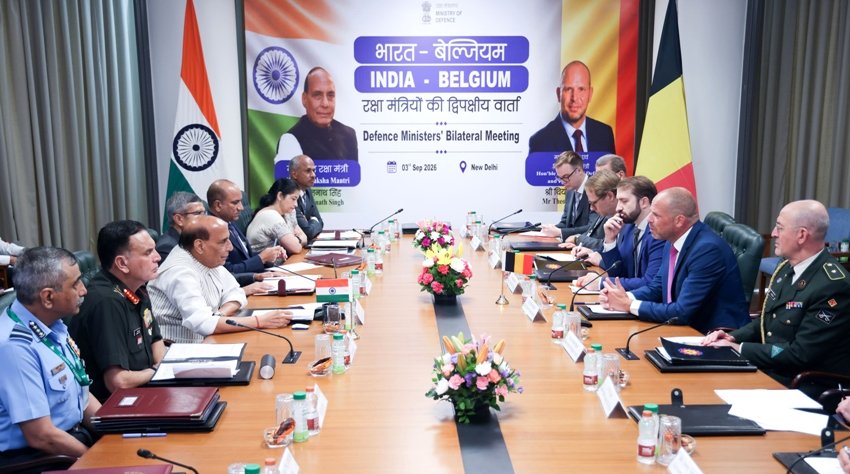
New Delhi, September 4th 2026: Raksha Mantri Rajnath Singh held a bilateral meeting with the Minister of Defence and Foreign Trade of Belgium Theo Francken in New Delhi on September 03, 2026. During the interaction, the two sides reviewed the entire spectrum of defence and industrial cooperation. The two ministers agreed to expand bilateral ties through defence cooperation dialogue, high-level visits, training and capacity building. Both leaders also discussed issues of regional peace & security and acknowledged the need for maritime security collaboration in the Indo-Pacific. They reiterated that the partnership between India and Belgium is based on shared values of mutual trust & respect. The meeting was conducted on the sidelines of a meeting between Prime Minister Narendra Modi and the Prime Minister of Belgium Bart De Wever in New Delhi.

FOREWORD

Dear Readers,

The Asia-Pacific aviation sector is expanding rapidly, driving growth far beyond aircraft numbers into crucial verticals like MRO, training, logistics, and aerospace supply chains. In this edition of Aviation World, we bring you exclusive interviews and features from across these sectors, offering direct industry insights from top global leadership.

Our cover story highlights Shveta Gupta, CEO of Divyanshi Aviation. Under her dynamic leadership, the company has established itself as one of India’s premier aerospace supply chain providers, partnering with leading global manufacturers. Our corporate feature delves into Divyanshi Aviation’s core operations, paired with an exclusive interview where Ms. Gupta candidly shares her professional journey and vision for the company’s future.

This issue also features exclusive conversations with prominent industry leaders, including:

  • Ron Nye, President of Avionics, Acron Aviation
  • Bob Gibbs, Vice President, Defense & Special Missions Sales, Textron Aviation
  • Sudhir S. Rajeshirke, President – Aerospace, Jubilant Enpro
  • Emmanuel Simon, Program Manager and Aerospace Leader, PHINIA
  • Arved von zur Muehlen, Chief Commercial Officer, Saudia Group
  • Simon Azar, Vice President, Civil Aviation, Asia Pacific, CAE

Each leader offers key perspectives on their organization’s strategic initiatives and their growing contributions to the Indian aviation and aerospace ecosystem. Additionally, you will find expert-authored analytical features offering deep dives into current sector trends.

Aviation World continues to expand its global footprint as an official media partner for major domestic and international aviation events. Our editorial team will be participating in several upcoming global forums, and we look forward to connecting with industry peers and exploring new collaborations.

We extend our sincere gratitude to our advertisers and partners whose continued support fuels our endeavor.

Happy Reading!

The Editorial Team

Aviation World

NEWSLETTER

Aviation World Magazine is India’s premier aviation magazine and has been actively supporting the development of the Indian and global civil aviation sector. We started our journey in year 2015 and its been 12 years now and the response and acceptance is really encouraging. Thanks to all our associates and writers who remained with us in our progressive journey.

We have started 2026 on a very positive note and we look forward to increase our footprints to more locations and induct many more new companies in our campaign.. Do write to us at : editor@aviationworld.in

Disclaimer

The contents published in this website are news covering Aviation, Aerospace and Defence sector. The objective is to provide news in informative form to keep our readers updated of the latest development. We also publish content featured in our print publication Aviation World.We try our best to avoid any factual errors or image displayed here but we ensure immediate corrections to any such thing brought to our notice that might have been published inadvertently. All images and contents are sourced from the relevant organisations media team.

Copyright ©2014 – 2026. AVIATION WORLD. All rights reserved.

Scroll to Top