
New Delhi, 2nd July 2026:
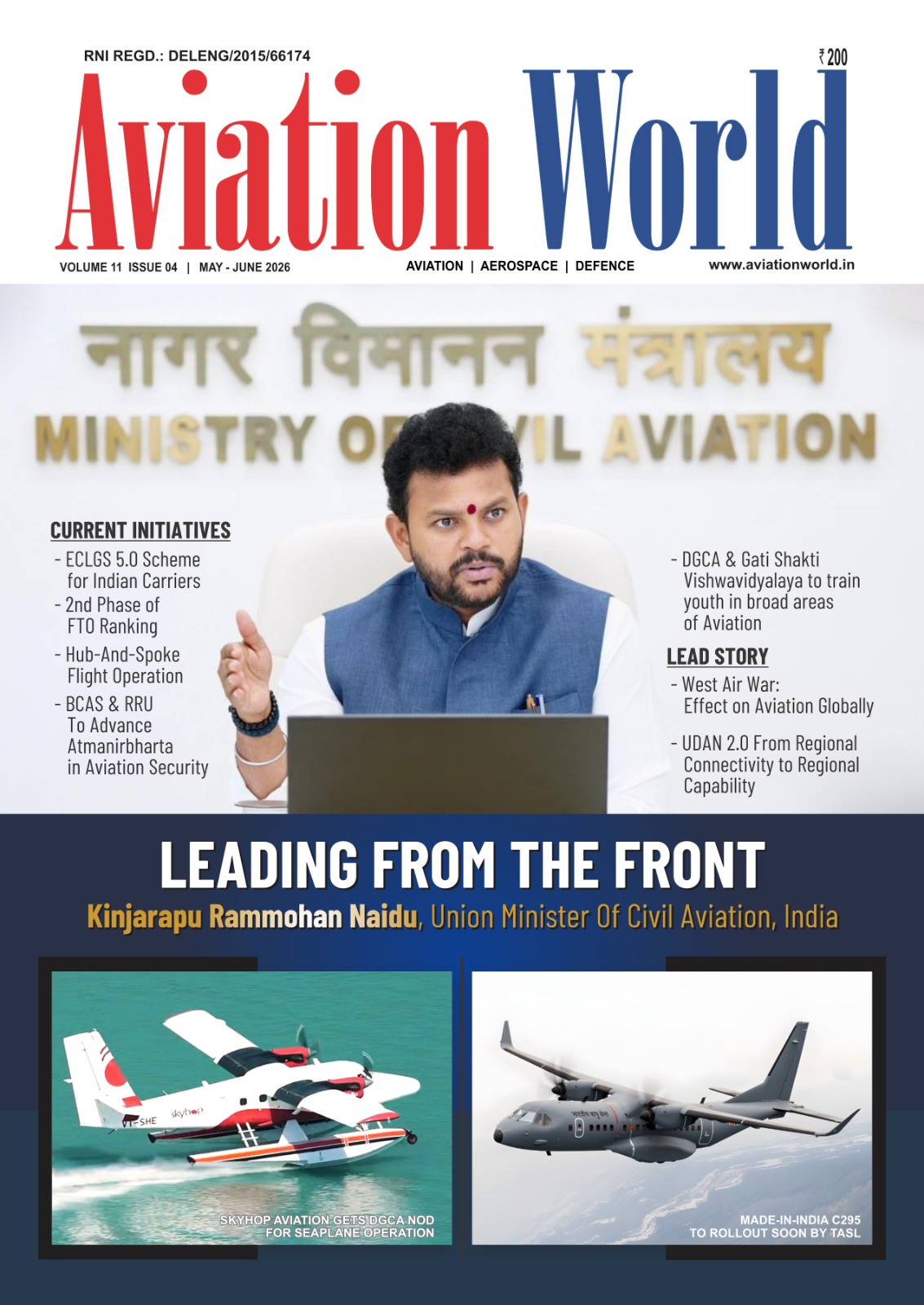
The Ministry of Civil Aviation has approved the country’s first Private Point-in-Space (PinS) Instrument Approach Procedure for helicopter operations at Undavalli Heliport. This is seen as the significant milestone in India’s aviation sector.
Developed by the Airports Authority of India (AAI) and approved by the Directorate General of Civil Aviation (DGCA), the PinS procedure has been designed in accordance with DGCA regulations and the International Civil Aviation Organization (ICAO) Standards and Recommended Practices.
PinS (Point-in-Space) procedures use advanced satellite-based navigation technology to enable helicopters to conduct safe and precise instrument approaches to heliports that do not have conventional instrument landing infrastructure. This is particularly beneficial during adverse weather conditions and in areas where ground-based navigation aids are not available.
The Minister for Civil Aviation Ram Mohan Naidu said, “The introduction of India’s first PinS Instrument Approach Procedure marks the beginning of a new era in helicopter operations by significantly enhancing flight safety, operational efficiency and all-weather accessibility. I sincerely appreciate the coordinated efforts of all concerned agencies including the Airports Authority of India, DGCA and the state government of Andhra Pradesh in achieving this historic milestone. Our foremost priority is the adoption of modern technologies to make helicopter operations more reliable and more accessible across the country. We also recently concluded the first phase of this year’s Char Dham helicopter operations successfully without any incident supported by upgraded technological infrastructure. Our commitment is to build a technology-driven and globally benchmarked helicopter ecosystem in India.”
Highlighting the broader significance of the initiative, the Minister further stated, “Under the technology-driven leadership of Hon’ble Prime Minister Shri Narendra Modi Ji, India’s aviation sector is witnessing rapid technological advancement. Just last week, we successfully demonstrated the country’s first indigenous GAGAN-based precision approach by a commercial aircraft. The introduction of the country’s first PinS Instrument Approach Procedure is another major milestone in this journey. It reinforces the Government’s vision of modernising aviation infrastructure through Performance-Based Navigation (PBN), expanding the use of indigenous satellite-based navigation technologies and aligning India’s aviation ecosystem with global best practices.”
The approval is expected to pave the way for the development of similar PinS procedures across the country, benefiting emergency medical services, disaster relief operations, tourism, offshore activities, pilgrimage services, corporate aviation, and regional connectivity. It will enable safer Instrument Flight Rules (IFR) operations to remote and strategically important locations, improve operational reliability, and reduce weather-related disruptions.