
Top Stories

Technology, Top Stories

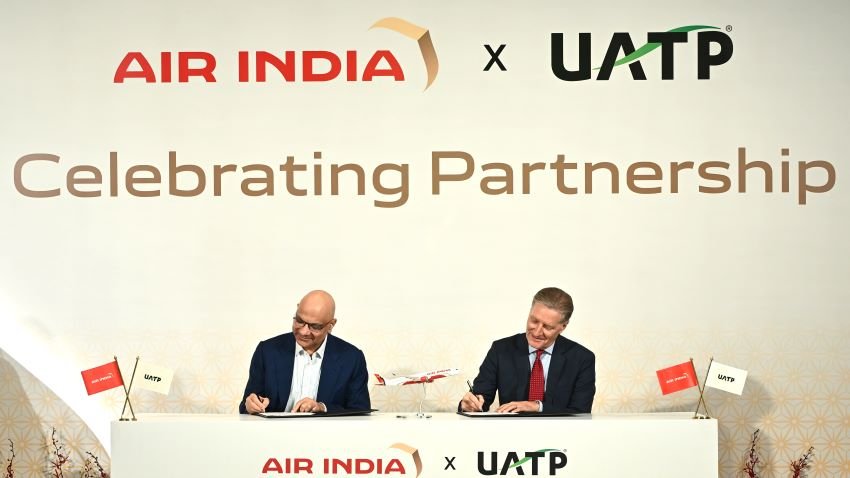
Air India-UATP launches ‘Partner Pay’ to simplify payment process

(Banner Image: Nipun Aggarwal, Chief Commercial Officer, Air India and Ralph A. Kaiser, President and CEO of UATP at the signing ceremony) New Delhi, 16th Nov 2026: Air India and UATP, the global network that enables organizations to simplify payment processes and expand their payment capabilities, has announced the launch of Air India Partner Pay, a new programme designed to make bookings and payments simpler, more seamless and efficient for the airline’s travel agency and corporate partners. Through Air India Partner Pay, travel partners can use a single prepaid account to pay for Air India bookings across multiple distribution channels, eliminating the need to manage separate payment processes. The facility also allows real-time balance replenishment, enabling agencies to continue making bookings without payment-related interruptions. With this launch, Air India becomes the first airline in India to introduce a UATP-managed payment programme. Designed for travel agencies, travel management companies and corporate customers, including small and medium-sized businesses, the programme offers greater financial flexibility through flexible funding options and the removal of bank guarantee requirements. It also provides consolidated transaction reporting, making it easier for partners to monitor expenditure and reconcile payments, while helping them manage their working capital more effectively. For Air India, the programme will help simplify payment processes, optimise distribution and payment costs, and support more efficient management of partner transactions. “As we continue to transform Air India and strengthen our global commercial ecosystem, it is equally important to evolve the way we engage with and serve our agency and corporate partners. Air India Partner Pay is a step in this direction, bringing greater simplicity, transparency and control to the payment experience. By leveraging UATP’s established infrastructure, we are creating a more efficient and scalable solution for our partners, while strengthening our distribution capabilities and supporting our long-term growth ambitions,” said Manish Puri, Global Head of Sales, Air India. “With Air India Partner Pay now live, the airline can offer its agency and corporate partners a prepaid payment programme built around how airlines and travel sellers do business,” said Zach Ornelas, SVP Global Sales, UATP . “Our network was built to support those needs, and we look forward to growing the programme across Air India’s partner base in India and into select international markets.” The programme will initially be rolled out to Air India’s travel partners in India, with plans to extend its availability to partners across international markets in the second phase. Powered by UATP’s payment infrastructure, Air India Partner Pay is designed to support the airline’s growing network of agency and corporate relationships across domestic and international markets. UATP’s payment partner is licensed and supervised by the Reserve Bank of India, delivering a fully compliant and secure solution to Air India. The programme combines the flexibility of prepaid payments with tools that enable partners to manage their accounts and transactions more effectively. Since its privatisation in 2022, Air India has embarked on an ambitious transformation spanning fleet modernisation, enhanced customer experience, network expansion and technology investment. The airline has placed record orders for 600 aircraft, introduced new and upgraded cabin products, expanded its international network and invested in digital capabilities across its operations. As Air India continues to build a modern, globally competitive airline, initiatives such as Air India Partner Pay reflect its focus on strengthening the commercial capabilities that support its growth and deepening relationships with its agency and corporate partners.

Top Stories

AAPA Calls on Governments to Support Airlines Amid Unprecedented Operating Cost Pressures

Malaysia, November 14, 2026: The Association of Asia Pacific Airlines (AAPA) today called on governments across the region to provide timely, practical support to airlines facing sharply higher fuel prices and mounting operational hurdles. The call was made at the close of the Association’s 70th Assembly of Presidents, hosted by Malaysia Airlines in Kuala Lumpur. Together, these pressures are driving up operating costs and adding uncertainty to airline planning. They are weighing on an industry that plays a vital role in supporting economic activity, trade, tourism and regional connectivity. AAPA Director General Wong Hong said, “The operating environment for Asia Pacific airlines has changed markedly since the last Assembly of Presidents 12 months ago. Carriers have continued to demonstrate resilience and adaptability. However, the sharp escalation in fuel prices, coupled with other cost pressures and operational uncertainties, has created a far more demanding environment.” He added, “Governments must recognise these pressures and work constructively with the industry to provide support that safeguards the long-term viability of air transport across the region.” Industry Resilience: More widely, AAPA is calling for a more coordinated and collaborative approach among governments, regulators and industry stakeholders to address shared issues and strengthen the long-term resilience and competitiveness of Asia Pacific aviation. The Assembly adopted four resolutions covering aviation sustainability, passenger rights, cabin safety and aviation security. Aviation Sustainability: AAPA reaffirmed its target of 5% Sustainable Aviation Fuel (SAF) utilisation by 2030, in support of the International Civil Aviation Organization’s (ICAO) long-term aspirational goal of net-zero carbon emissions by 2050. The Association called on governments to take a leadership role by adopting eight key policy principles as the basis for national and regional SAF policies. The principles promote an ecosystem approach across the whole SAF value chain, and long-term policy clarity tailored to national readiness. They encourage competition, discourage market concentration and call for a level playing field for all airlines. They also favour a technology-neutral, performance-based approach that rewards greater greenhouse gas (GHG) emissions reductions, and clear certification requirements, ideally requiring fuel certified under the Carbon Offsetting and Reduction Scheme for International Aviation (CORSIA). Finally, they call for global and domestic policy harmonisation, and flexibility for airlines in procuring SAF, including formal acceptance of book-and-claim within a region. Passenger Rights: With passenger rights regulations proliferating across the Asia Pacific region and beyond, AAPA called on governments to apply a set of core principles when developing or reviewing such regulation. The principles seek a balance between passenger protection and industry competitiveness, without compromising safety and security. They cover clear information and consumer education before travel, regular updates and appropriate care during disruptions, and efficient complaints handling afterwards. They also stress that liability should recognise the shared responsibilities of aviation stakeholders, so that airlines do not bear a disproportionate burden. All parties should collaborate and plan together for disruptions, and in the provision of non-discriminatory access to air transport. Cabin Safety: AAPA called for stronger collaboration among governments, regulators and airlines to address cabin safety issues, including lithium battery risks, unruly passengers, medical emergencies, evacuations and crew training. It also encouraged greater regional cooperation among regulators, including information sharing and support for capacity building. Aviation Security: AAPA resolved to promote greater regional collaboration to integrate human factors into aviation security, focusing on training, workload management, security culture and organisational learning. It also encouraged the sharing of regional best practices through ICAO’s Asia and Pacific aviation security forum. Looking Ahead: Together, the four resolutions set out a practical, shared agenda for the region’s airlines, governments and regulators. “These resolutions show how Asia Pacific airlines intend to build an aviation industry that is sustainable, safe, secure and resilient. AAPA and its members stand ready to work with governments, regulators and partners across the industry to deliver it, so that Asia Pacific aviation continues to drive growth and connectivity across the region and beyond,” said Mr. Wong.

Top Stories

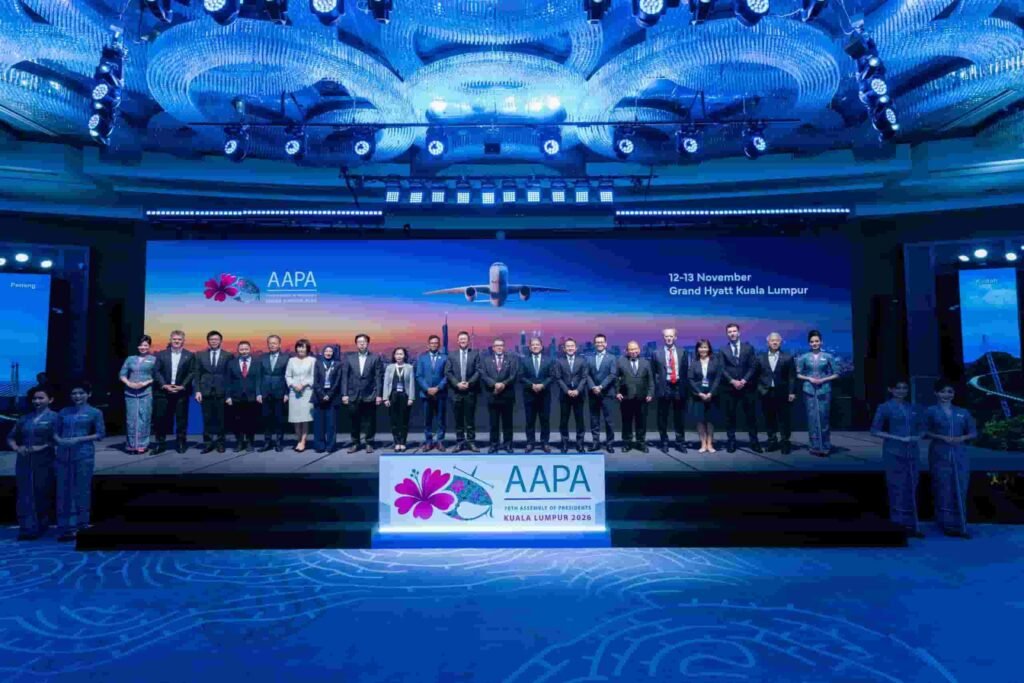
Asia Pacific Airline Leaders Convene in Kuala Lumpur to Discuss the Future of Aviation

Malaysia, 12 November 2026 : Chief executives and senior leaders of the Association of Asia Pacific Airlines (AAPA) are gathering in Kuala Lumpur on 12–13 November 2026 for the Association’s 70th Assembly of Presidents, hosted by Malaysia Airlines. Themed “Redefining Aviation: Growth, Resilience and Innovation,” the Assembly brings together more than 170 delegates from across the Asia Pacific aviation sector. They will review industry developments, exchange perspectives and discuss the opportunities and challenges shaping the future of aviation. Asia Pacific airlines have shown remarkable resilience in 2026, despite a demanding operating environment. In the first nine months of the year, passenger demand grew by 1.9%. Average passenger load factors reached a record 83%, reflecting sustained travel demand and the ability of airlines to adapt their networks and operations to changing market conditions. However, challenges remain. Persistent aircraft delivery delays, maintenance bottlenecks and labour shortages continue to constrain operational efficiency and fleet modernisation plans. “The Assembly comes at a time when the industry is facing an unprecedented series of challenges, with the past nine months marked by global geopolitical and trade tensions, oil flow disruptions, and developments that have reshaped airspace access, traffic flows, fuel markets and even the economics of entire airline networks,” said Mr. Wong Hong, Director General of AAPA. “Bringing together leaders from across Asia Pacific, the AAPA Assembly serves as an important platform for meaningful dialogue on the opportunities and challenges ahead. The conversations and partnerships forged here will help shape the next phase of growth for our industry and reinforce aviation’s role in connecting people, economies and communities,” said Captain Nasaruddin A. Bakar, President and Group Chief Executive Officer of Malaysia Aviation Group. Sustainability will be another major focus. While Sustainable Aviation Fuel (SAF) is central to aviation’s decarbonisation ambitions, limited production capacity, availability constraints and high costs continue to present significant obstacles. Notwithstanding near-term uncertainties, the long-term outlook for Asia Pacific aviation remains positive. Expanding middle-class populations, rising disposable incomes, urbanisation and growing demand for international travel support the region’s position as the world’s largest aviation market and a key driver of future industry growth. “The geopolitical landscape may evolve, but the underlying demand for connectivity across our region remains strong. While we are realistic about the risks of today, Asia Pacific airlines remain optimistic about the opportunities of tomorrow,” added Mr Wong.

Top Stories

Digi Yatra brings identity verification to international departures, with BLR Airport using SITA SmartPath

Delhi,3rd November 2026 : Kempegowda International Airport Bengaluru (BLR Airport) is using SITA SmartPath to enable eligible international passengers to verify their identity once and then be recognised at terminal entry, security and boarding. The initiative forms part of a three-month trial extending Digi Yatra to international departures at select Indian airports, beginning today. By linking each passenger’s Digi Yatra credential and e-passport with airline and airport systems, the solution reduces repeated manual document checks and frees staff to focus on passengers who need assistance. The trial is open to eligible Indian e-passport holders travelling internationally with selected Indian carriers, who can create a digital credential linked to their e-passport. Passengers must continue to carry their travel documents, and all mandatory immigration, border, security and regulatory checks remain in place.  “At BLR Airport, we have taken a phased approach to building a biometric-enabled travel ecosystem, with interoperability and passenger-controlled data at its core. Extending DigiYatra to international departures marks an important next step in this journey. Through this trial, we are bringing together digital identity and face-enabled processing to minimise repeated document checks across participating touchpoints, while assessing how this experience can be further developed and scaled for international travel. Collaboration with government authorities and partners including IndiGo, Air India, SITA and DigiYatra will be critical to advancing a more seamless and digitally enabled passenger journey.” George Fanthome, Chief Technical Officer, BIAL “When an airport can confirm a passenger’s identity once and trust it at every step, it gets more from the terminal it already has. International departures are the real test, because that identity has to work with airline systems and checks beyond India’s domestic network. This implementation can serve as proof that other airports could pass that test too. The next step is cross-border recognition, so travelers verify once for the whole trip,” said Sumesh Patel, President, Asia Pacific Region at SITA. At busy airports, where SITA SmartPath is already in operation, it has reduced boarding times by around 30%. Designed to integrate with existing airport infrastructure and third-party biometric services, it helps airports increase throughput with the terminal space and staff they already have, without compromising security. The trial at BLR Airport builds on a proof of concept completed there in March 2026 by Digi Yatra, IATA, SITA and airline partners, which showed a contactless international departure from airport entry to boarding. For travelers, confirming their identity once means less time repeatedly presenting passports and boarding passes, helping reduce queues and create a quicker, smoother journey through the airport. Biometric data is handled in accordance with Digi Yatra and airport privacy policies and used solely for identity verification. Following the trial, contactless international passenger processing is expected to expand to more airports across India.

Top Stories

Singapore Airlines to offtake Next-Generation SAF from Aether Fuels

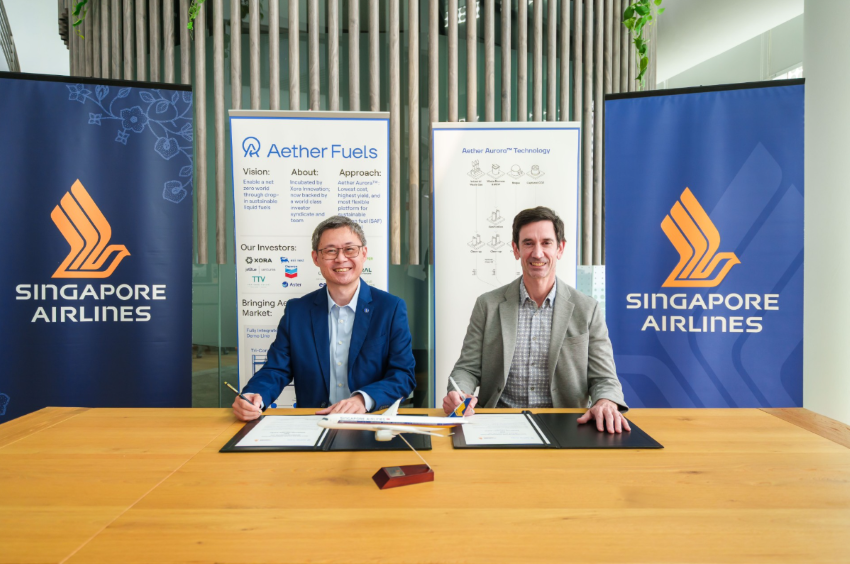
Singapore, 28th October 2026: Singapore Airlines (SIA) has signed an agreement to purchase up to 4,800 tonnes of next-generation sustainable aviation fuel (SAF) from Aether Beacon Pte Ltd. (Aether) over three years, with deliveries commencing in 2028. SIA is the first airline to purchase SAF produced at Project Beacon, Aether’s commercial production facility, which is being developed at Aster’s refining complex on Pulau Bukom in Singapore. The agreement marks SIA’s first purchase of SAF produced using new technology that converts waste carbon feedstocks into aviation fuel. Project Beacon will use feedstocks such as biomethane and industrial waste gases to produce SAF using Aether’s Aurora technology. This offers an alternative to the hydro-processed esters and fatty acids (HEFA) pathway, which relies on more constrained lipid-based feedstocks. Aether uses its proprietary technology which innovates around the Fischer-Tropsch process to convert these waste-derived gases into liquid aviation fuel. The SAF produced will be certified under the Carbon Offsetting and Reduction Scheme for International Aviation (CORSIA). By 2031, Aether intends to start up its first large-scale commercial plant, with a production capacity at least 10 times larger than Beacon, as part of its planned expansion of its next-generation SAF production capacity. Lee Wen Fen, Chief Sustainability Officer, Singapore Airlines, said: “Supporting the development and adoption of SAF, and securing future supplies, are integral to SIA’s ambition of achieving net zero carbon emissions by 2050. As the first airline to purchase SAF from Project Beacon, SIA is demonstrating demand for new lower-carbon fuel production pathways in Singapore. We will continue to work with partners globally to scale SAF production, strengthen the aviation industry’s sustainability ecosystem, and support the transition to more sustainable air travel.” Conor Madigan, Co-Founder and Chief Executive Officer, Aether Fuels, said: “When we signed our MOU with Singapore Airlines last year, Project Beacon had not yet been announced. Since then, we have selected Singapore as the home of our first commercial facility and built critical partnerships across the local value chain.  Singapore is building a strong ecosystem for aviation decarbonisation through refining and aviation infrastructure, investment support, sustainability policies, and utilising their position as a global aviation hub. This binding agreement is an important next step and a strong signal of committed demand from a leading global airline – exactly the type of collaboration needed to create the commercial conditions to bring new SAF pathways to scale.”

Top Stories

Satair and Vietjet signs strategic MoU in Copenhagen

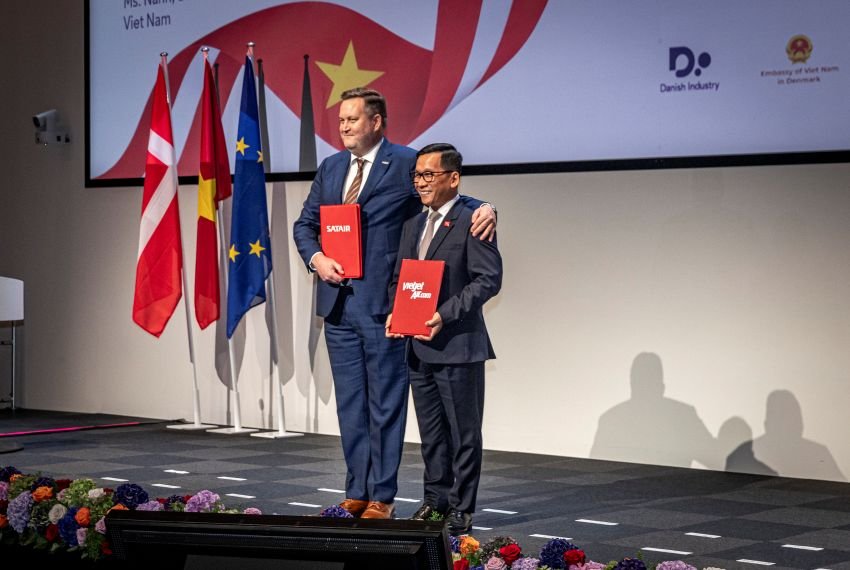
Copenhagen, 22 October 2026: During the Vietnam-Denmark Business Forum in Copenhagen, in the presence of H.E. To Lam, General Secretary and President of Vietnam, His Majesty King Frederik X of Denmark and high-ranking dignitaries of both countries, Satair, an Airbus services company, and Vietjet Air have exchanged a strategic Memorandum of Understanding (MOU) to deepen their long-term cooperation across aviation supply chain, material management, and lifecycle solutions. The agreement marks a new milestone in the partnership between the two companies, connecting Satair’s global aviation supply and services capabilities with Vietjet’s growing demand for fleet, international network expansion, and technical infrastructure development, while contributing to strengthening Vietnam’s aviation supply chain capabilities. Building upon the success of the existing Integrated Material Services (IMS) program supporting Vietjet’s growing Airbus fleet, the strategic agreement sets out a framework to explore expanded material solutions, digital optimisation, and operational resilience. Under the MOU, both organisations intend to establish a Joint Working Group to evaluate and implement cooperation across six key focus areas, including: Expansion of Integrated Material Services (IMS): Optimising the existing IMS program including material availability, procurement, planning, and inventory positioning to align with Vietjet’s rapid fleet expansion and international network growth. Long Thanh Aviation hub development: Exploring solutions on consignment capabilities, material support, and aviation logistics at Long Thanh International Airport in line with the development of Vietjet’s operational facilities. Aircraft lifecycle and circularity solutions: Exploring used serviceable material (USM), component repair and exchange services, and surplus inventory management  to enhance lifecycle economics and supply chain sustainability. Data analytics & digital integration: Leveraging advanced analytics, joint data integration, and predictive demand planning to enhance material visibility and optimise fleet maintenance workflows. Enhanced operational support: Strengthening Aircraft-On-Ground (AOG) response mechanisms, regional stock positioning, and emergency logistics coordination to ensure high operational reliability. Capability building and training: Exchanging industry expertise, technical know-how, and professional development initiatives to enhance aviation supply chain management capabilities in Vietnam. Richard Stoddart, Chief Executive Officer of Satair, said: “This Memorandum of Understanding marks a significant milestone in our evolving partnership with Vietjet. By building upon our established Integrated Material Services foundation, we look forward to supporting Vietjet’s fleet growth and working collaboratively to develop scalable, sustainable, and data-driven supply chain solutions that strengthen Vietjet’s long-term growth ambitions.” Vietjet Chief Executive Officer Nguyen Thanh Son, said: “A proactive and efficient supply chain is fundamental to Vietjet’s fleet development, international network expansion, and continued enhancement of passenger services. Our partnership with Satair enables us to leverage Airbus’ global expertise and supply chain capabilities to enhance operational and maintenance efficiency, while preparing for the development of strategic infrastructure, including Long Thanh International Airport. We also look forward to strengthening local technical expertise and developing aviation talent in Vietnam, contributing to a more sustainable future for the industry.” The agreement further deepens the strategic partnership between Satair and Vietjet, fostering greater collaboration in aviation technology, services, and talent development between Vietnam and Denmark.

MRO, Top Stories

Air India breaks ground for state-of-the-art MRO hangar at Delhi Airport

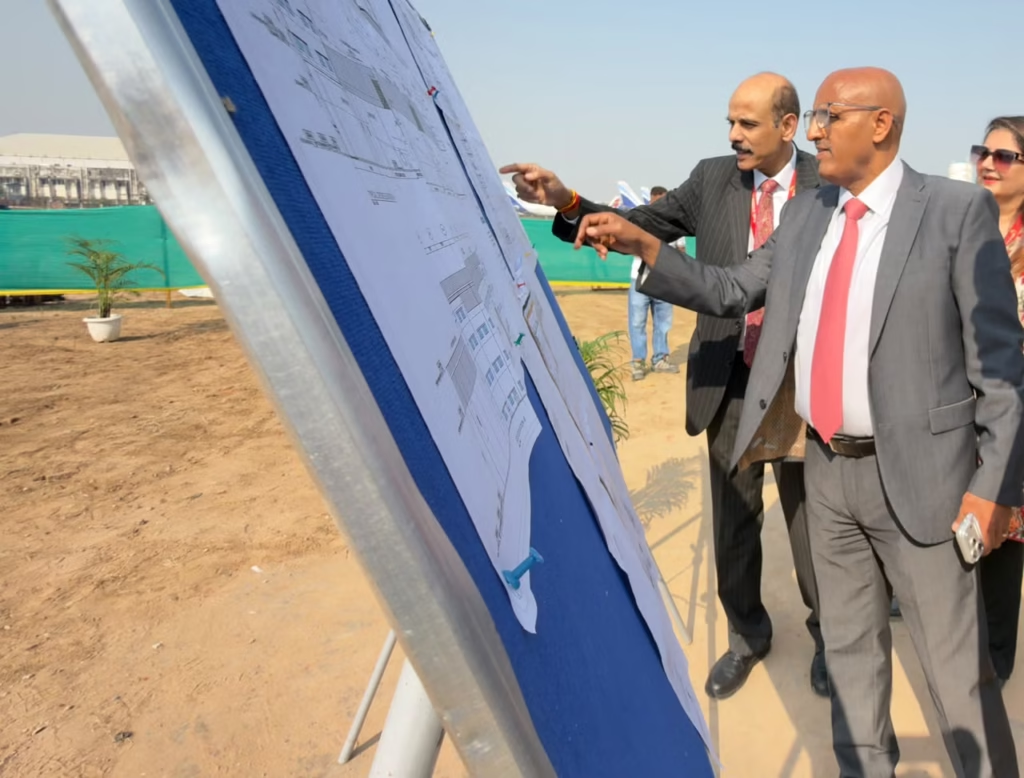
Delhi, 22nd October 2026: Air India announced the ground-breaking of its new multi-facility Maintenance, Repair and Overhaul (MRO) hangar at Delhi’s Indira Gandhi International Airport (IGIA), marking another significant milestone in the airline’s transformation journey. The facility will strengthen Air India’s maintenance capabilities at its largest hub while enhancing operational efficiency and self-reliance. Spread across nine acres, the state-of-the-art facility is being designed to accommodate one widebody and one narrowbody aircraft simultaneously. It will enable Air India to centralise key engineering and maintenance activities, bringing critical functions under direct operational oversight. The new MRO facility will support Air India’s efforts to build greater in-house maintenance capabilities, improve fleet reliability, and contribute to the development of a stronger aviation ecosystem in India. Enhanced maintenance efficiency is also expected to support improved operational performance and a more reliable travel experience for passengers. The ground-breaking ceremony was attended by Tewolde Gebremariam, Chief Executive Officer & Managing Director, Air India, along with senior executives from Air India and Delhi International Airport Limited (DIAL), including P Balaji, Group Head – Governance, Regulatory, Compliance and Corporate Affairs, Air India; Basil Kwauk, Chief Operations Officer, Air India; Jeremy Yew, Senior Vice President – Engineering & Maintenance, Air India; Manomay Rai, Deputy Chief Executive Officer, DIAL; Vijay K Sharma, Vice President & Head – Aviation Services Business, DIAL; and Deepika Sharma, AGM – Aero Related, Commercial Aero, DIAL, among others. Key Operational Benefits: ​Enhanced Fleet Availability: By centralizing inspections, cabin upkeep and defect rectification, the facility will significantly reduce aircraft ground time. ​Operational Efficiency: Integrated engineering offices and on-site warehouse for spare parts will eliminate fragmented workflows and reduce logistics costs. ​Improved Passenger Experience: A dedicated Cabin Shop will ensure faster repairs of interiors, reducing reliance on third-party vendors and minimizing cabin-related defects. ​Rapid Recovery of Grounded Aircraft: Direct access to technical teams and spares will enable faster resolution of aircraft grounded due to technical reasons, minimizing disruptions. Designed for long-term scalability, the hangar features a 25-metre clear height and large column-free spans to accommodate next-generation aircraft. The project adheres to strict safety standards, including advanced fire protection, and aligns with Air India’s ESG commitments by following IGBC Green Building norms for energy and water conservation.

Top Stories, UAM/AAM

Archer completes electric air taxi flights over San Francisco Bay

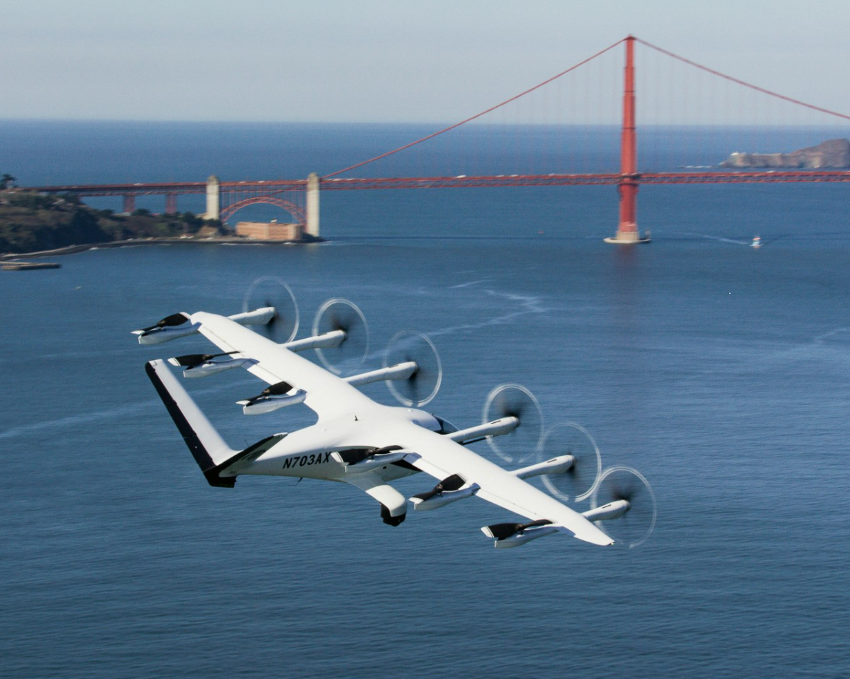
India,20th October 2026: Archer’s all-electric Midnight air taxi recently completed a week filled with piloted flights across Northern California, including multiple flights around the San Francisco Bay that took off and landed at Oakland International Airport. Beginning in Salinas, Midnight’s multi-city journey to the Bay Area took it to progressively larger cities with more complex airspace — with stops at Hollister, San Martin, San Jose, Mountain View and Hayward before landing in Oakland to complete multiple piloted flights over the San Francisco Bay. In total, Midnight flew 300+ miles. The purpose of the Northern California flights of Archer’s ‘No Roads’ tour was to showcase Midnight’s ability to operate seamlessly in the complex urban airspace surrounding the Bay Area’s three international airports — San Francisco, Oakland and San Jose — representing one of the busiest flight corridors in the country. In addition to demonstrating airspace integration, the flights also gave communities across the Bay Area a chance to see the benefits of electric air taxis firsthand: low noise, zero operating emissions, and the ability to skip overcrowded highways — turning drives of an hour or more into 10 to 20-minute trips. Building on the close coordination with the FAA and state and local partners that made the Northern California flights possible, these flights have opened the door for Midnight to continue demonstrating its readiness to integrate with commercial air traffic in the world’s largest cities — with plans to fly in Los Angeles next as Archer prepares to operate under the White House’s eVTOL Integration Pilot Program (eIPP).

Technology, Top Stories

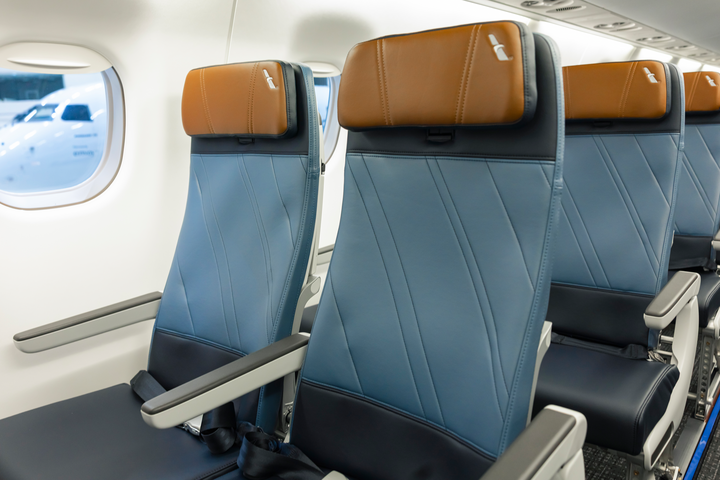
Embraer delivers first E175 featuring new RECARO seats to American Airlines

São José dos Campos, October 19, 2026: Embraer has announced the delivery of the first E175 equipped with new-generation RECARO passenger seats to American Airlines, marking another milestone in the continued evolution and modernization of one of the world’s most successful regional aircraft. The delivery introduces a new cabin experience designed to further enhance passenger comfort while reinforcing the E175’s position as the preferred regional jet in North America. The new generation seating represents the latest cabin enhancement available for the E175 platform, combining contemporary aesthetics with durable, human-centric ergonomics. “The E175 has built an unmatched reputation by continuously evolving to meet the needs of airlines and passengers,” said Arjan Meijer, President and CEO of Embraer Commercial Aviation. “The introduction of our new RECARO seats demonstrates our commitment to investing in the platform and delivering enhancements that improve passenger experience while creating additional value for operators. The new RECARO seats feature a contemporary, slimline profile designed to maximize personal space and knee room without compromising cushion comfort. The upgrade is part of American’s ongoing cabin modernization journey and further elevates the onboard experience on the carrier’s regional fleet. The seating upgrade forms part of Embraer’s ongoing investment in the evolution and modernization of the E175, bringing its main cabin environment and passenger experience closer to the E2 family. Together, these enhancements deliver a more mainline-like experience while further strengthening the E175’s position as the benchmark regional jet. “As the ​first U.S. ​airline ​to ​introduce RECARO ​seats ​on ​Embraer E175 ​aircraft, ​we’re ​continuing to ​raise ​the ​bar for regional ​travel,” said Rhonda ​Crawford, Senior ​Vice ​President ​of Customer Experience ​Design and Strategy of American Airlines. “Our ​goal is ​to deliver the elevated experience ​customers want, while ​creating ​greater ​consistency across the American travel experience.” Embraer continues to invest in improvements across the E175 platform. In addition to the latest cabin enhancements, advanced technologies such as enhanced data connectivity and next-generation weather radar are designed to improve operational capability, situational awareness and efficiency throughout the aircraft’s lifecycle. With more than two decades of proven service and a strong track record with airlines worldwide, the E175 continues to set the benchmark for regional aviation, combining operational reliability, economic performance, and passenger comfort.

MRO, Top Stories

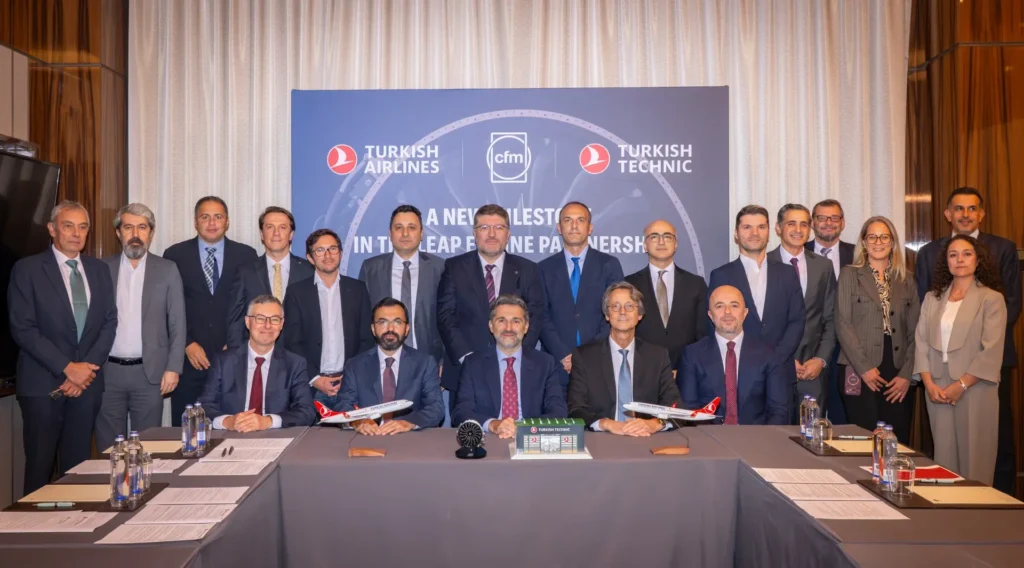
Turkish Airlines and CFM sign MOU for more than 600 LEAP-1B engines

Istanbul, 17 October 2026 : Turkish Airlines and CFM International has signed a Memorandum of Understanding (MoU) for the purchase of more than 300 LEAP-1B engines, including spares, to power 100 firm and 50 option Boeing 737 MAX aircraft announced in September 23. The long-term services agreement will cover airline’s entire LEAP-1B engine fleet, including previously ordered and delivered engines, spares, and engines associated with leased aircraft and potential options. Together, these represent more than 600 LEAP-1B engines operated by Turkish Airlines and its subsidiary AJet. The MoU was signed in Istanbul by Prof. Murat Şeker, Chairman of the Board and the Executive Committee of Turkish Airlines, Mikail Akbulut, CEO and Board Member of Turkish Technic, and Olivier Andriès, CEO of Safran, one of CFM’s two parent companies. It also includes a material services agreement to support the establishment of an engine maintenance, repair, and overhaul (MRO) facility in Türkiye. Turkish Airlines currently operates a fleet of 96 Boeing 737 Next Generation aircraft with CFM56-7B engines (including Ajet Fleet), as well as 79 Boeing 737 MAX aircraft powered by LEAP-1B (including AJet fleet). Commenting on the agreement, Prof. Murat Şeker, Turkish Airlines Chairman of the Board and the Executive Committee, stated: “This new step with CFM will support our growing fleet, network, and the operational efficiency. We are also pleased to strengthen our partnership with CFM through a comprehensive set of services, providing the expertise, reliability, and long-term support needed to develop our LEAP MRO capabilities alongside a long-standing partner.” Turkish Technic CEO and Board Member, Mikail Akbulut said: “With this agreement, we will be able to provide comprehensive maintenance operations for the LEAP engine. As Turkish Technic, we will continue to invest in engine maintenance services as well as our aircraft and component maintenance capabilities in line with our strategy.” Olivier Andriès, CEO of Safran, said: “This MoU marks a new milestone in our successful relationship with Turkish Airlines, a trusted partner for nearly four decades. It reflects our shared ambition to support the airline’s continued growth and fleet expansion. The MoU demonstrates our broader commitment to an open MRO ecosystem, which provides airlines with flexibility and competitive services to improve operational performance and manage costs effectively.” Lawrence Culp, Jr., Chairman and CEO of GE Aerospace, said: “We are proud to partner with Turkish Airlines as it continues flying to the most countries in the world. Putting its trust in CFM to provide highly reliable and efficient engines to support the growth of its Istanbul network and engine MRO capabilities is a responsibility we take seriously. We look forward to building on our proven partnership with this next chapter.” In the 10 years since LEAP engines entered service, CFM has delivered more than 10,000 engines that have accumulated over 100 million flight hours. CFM continues to upgrade the LEAP fleet with a high-pressure turbine (HPT) durability kit to extend time on wing and a reverse bleed system (RBS). The company is focused on delivering high engine availability through exceptional MRO performance and competitive cost of ownership, with the benefits of aftermarket competition through its open MRO ecosystem. This strategic agreement both underlines the flag carrier’s long-standing partnership with CFM International and represents a new chapter for the inclusion process of newly ordered Boeing 737 MAX aircraft to its ever-growing fleet. The agreement will also bolster Turkish Technic’s engine maintenance capabilities, through the establishment of a new state-of-the-art facility, enabling Turkish Technic to deliver comprehensive maintenance services.

FOREWORD

Dear Readers,

The Asia-Pacific aviation sector is expanding rapidly, driving growth far beyond aircraft numbers into crucial verticals like MRO, training, logistics, and aerospace supply chains. In this edition of Aviation World, we bring you exclusive interviews and features from across these sectors, offering direct industry insights from top global leadership.

Our cover story highlights Shveta Gupta, CEO of Divyanshi Aviation. Under her dynamic leadership, the company has established itself as one of India’s premier aerospace supply chain providers, partnering with leading global manufacturers. Our corporate feature delves into Divyanshi Aviation’s core operations, paired with an exclusive interview where Ms. Gupta candidly shares her professional journey and vision for the company’s future.

This issue also features exclusive conversations with prominent industry leaders, including:

  • Ron Nye, President of Avionics, Acron Aviation
  • Bob Gibbs, Vice President, Defense & Special Missions Sales, Textron Aviation
  • Sudhir S. Rajeshirke, President – Aerospace, Jubilant Enpro
  • Emmanuel Simon, Program Manager and Aerospace Leader, PHINIA
  • Arved von zur Muehlen, Chief Commercial Officer, Saudia Group
  • Simon Azar, Vice President, Civil Aviation, Asia Pacific, CAE

Each leader offers key perspectives on their organization’s strategic initiatives and their growing contributions to the Indian aviation and aerospace ecosystem. Additionally, you will find expert-authored analytical features offering deep dives into current sector trends.

Aviation World continues to expand its global footprint as an official media partner for major domestic and international aviation events. Our editorial team will be participating in several upcoming global forums, and we look forward to connecting with industry peers and exploring new collaborations.

We extend our sincere gratitude to our advertisers and partners whose continued support fuels our endeavor.

Happy Reading!

The Editorial Team

Aviation World

NEWSLETTER

Aviation World Magazine is India’s premier aviation magazine and has been actively supporting the development of the Indian and global civil aviation sector. We started our journey in year 2015 and its been 12 years now and the response and acceptance is really encouraging. Thanks to all our associates and writers who remained with us in our progressive journey.

We have started 2026 on a very positive note and we look forward to increase our footprints to more locations and induct many more new companies in our campaign.. Do write to us at : editor@aviationworld.in

Disclaimer

The contents published in this website are news covering Aviation, Aerospace and Defence sector. The objective is to provide news in informative form to keep our readers updated of the latest development. We also publish content featured in our print publication Aviation World.We try our best to avoid any factual errors or image displayed here but we ensure immediate corrections to any such thing brought to our notice that might have been published inadvertently. All images and contents are sourced from the relevant organisations media team.

Copyright ©2014 – 2026. AVIATION WORLD. All rights reserved.

Scroll to Top