India’s SAF industry could create new agricultural markets, attract global investment and develop up to 40 million tonnes of annual production potential by 2050
NEW DELHI, 29th September 2026:
India’s sustainable aviation fuel (SAF) ambitions are creating a new intersection between aviation, agriculture, energy, technology and global investment, as the country seeks to build a globally competitive SAF production ecosystem.
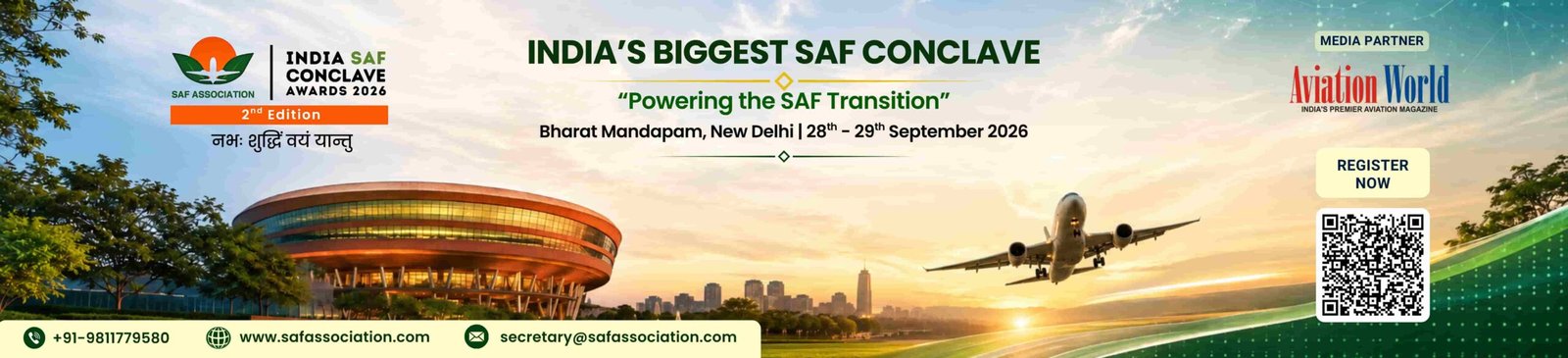
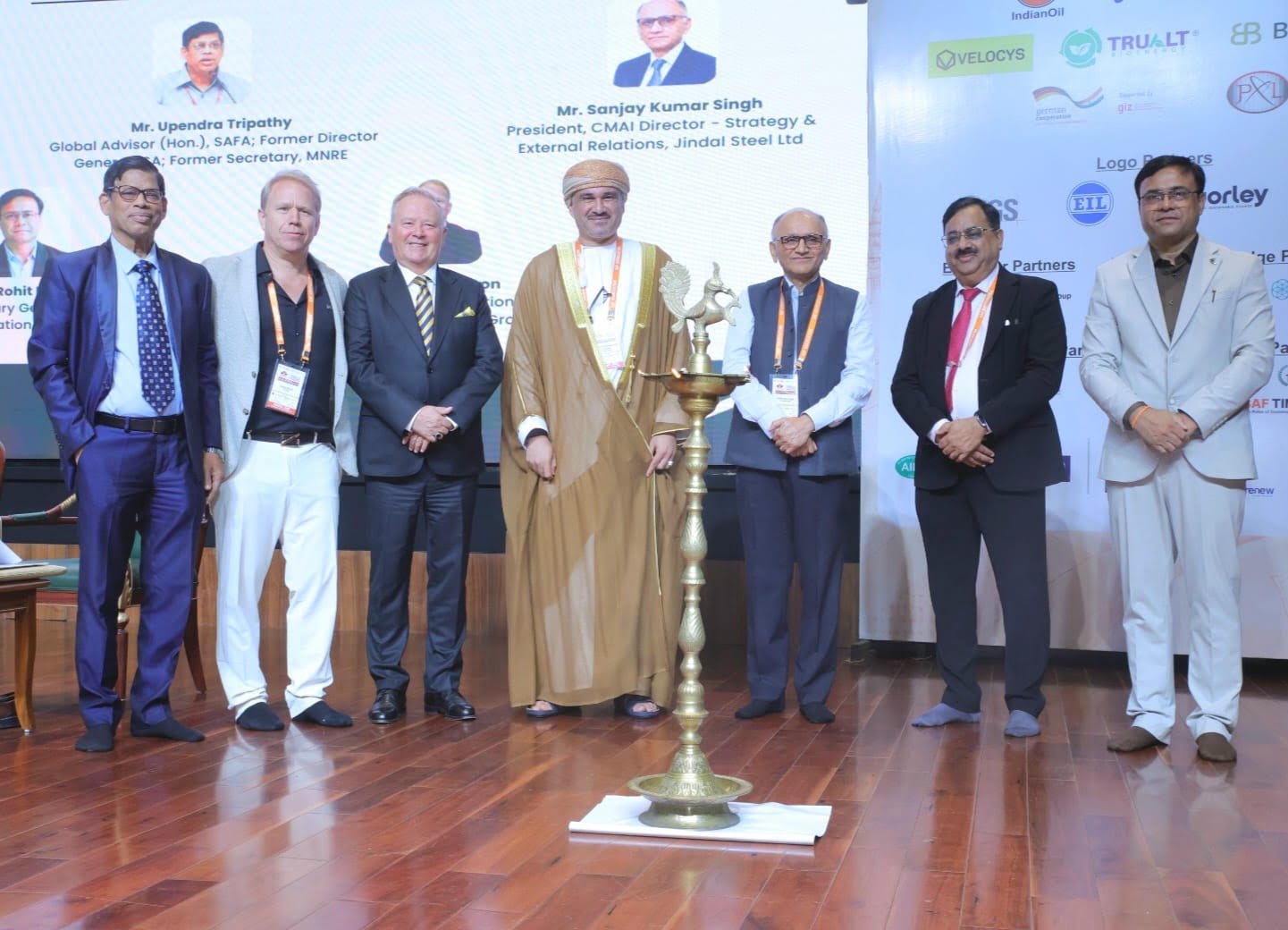
More than 500 delegates from 25+ countries, representing 200 companies and 100 industry leaders, gathered at Bharat Mandapam on September 28–29 for the second India SAF Conclave & Awards, organised by the SAF Association (SAFA).
The two-day international platform brought together airlines, refiners, investors, technology companies, feedstock producers, policymakers and sustainability organisations to examine how India can move from SAF policy and targets to investment, production and commercial-scale deployment.
India’s indicative SAF blending pathway for international aviation calls for 1% in 2027, 2% in 2028 and 5% by 2030, creating growing demand for production capacity, feedstock, infrastructure, certification and long-term offtake.
From Indian farms to global aviation
The SAF opportunity extends beyond aviation. Agricultural residues, ethanol, used cooking oil and other feedstocks could create new markets across India’s rural economy.
Estimates presented at the conclave indicate that SAF feedstock opportunities could potentially add around US$160–300 (₹15,000–₹29,000) per hectare to farmer income, depending on feedstock, yields, collection systems and market economics.
Various studies estimate that India could develop the potential to produce around 40 million tonnes of SAF annually by 2050, representing approximately 8–10% of estimated global SAF potential.
“SAFA is committed to bringing the entire SAF value chain together through industry-led collaboration and global partnerships,” said Rohit Kumar, Secretary General, SAF Association & CMAI. “Our focus is to power the SAF transition together by connecting policymakers, investors, technology providers, feedstock players and buyers to create practical opportunities and turn collaboration into projects, investment and commercial-scale SAF production.”
Investment, technology and global partnerships
The conclave featured discussions across HEFA, Alcohol-to-Jet, Power-to-Liquid, Gas-to-SAF, carbon capture, project finance and long-term offtake agreements.
Through its SAFA Matchmaking programme, the association connected project developers with investors, technology providers, feedstock companies and prospective buyers, creating opportunities for commercial partnerships and investment.
International cooperation was also a major theme
H.E. Issa Saleh Abdullah Saleh Al Shibani, Ambassador of Oman to India, said: “India’s SAF transition presents significant opportunities for collaboration across energy, technology and investment. Strong India-Oman partnerships can help develop sustainable aviation solutions and strengthen the clean-energy ecosystem. International cooperation will be critical to accelerating SAF adoption and building a sustainable aviation future.”
H.E. Benedikt Höskuldsson, Ambassador of Iceland to India, said: “Green technologies and Power-to-X pathways can play an important role in shaping the next generation of sustainable aviation. Innovation must be connected with investment, technology deployment and practical implementation.”
Making SAF’s climate benefit measurable
SAF can deliver up to 80–90% lifecycle CO₂ emissions savings, depending on the feedstock and production pathway. Demonstrating those reductions through robust measurement, reporting, verification and certification will be essential for building confidence among airlines, investors and international markets.
The conclave also examined sustainability certification, traceability and Book and Claim systems as the global SAF market develops.
“Scaling SAF will require reliable feedstocks, technology readiness, financing, certification, infrastructure and long-term offtake commitments,” said Dr. Alok Sharma, Vice President, SAF Association and former Director, R&D, IOCL.
The 2030 test
India’s indicative pathway could increase SAF demand from approximately 46,000 tonnes in 2027 to around 250,000 tonnes by 2030. Meeting that ambition will require new production capacity, including planned HEFA and Alcohol-to-Jet projects, alongside stronger feedstock collection and supply chains.
The India SAF Awards recognised organisations contributing to SAF policy, technology, feedstocks, investment, research and adoption.
The event also marked the launch of SAFTimes.com, a dedicated knowledge and news platform focused on sustainable aviation fuel.
India’s global SAF platform
The India SAF Conclave & Awards, organised by SAFA, is emerging as an international platform connecting policy, investment, technology, feedstocks and aviation around the development of India’s SAF industry.
The next edition will take place on September 16–17, 2027, in New Delhi, under the theme: “From Transition to Take-off: Scaling India’s SAF Ecosystem.”