
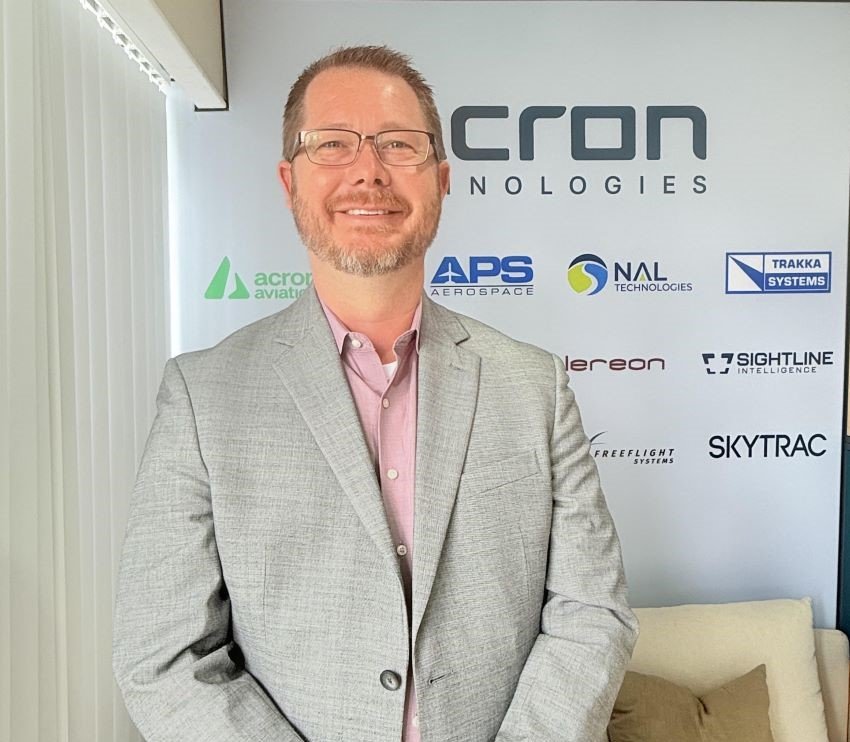
As civil aviation across the SAARC region—led by India’s massive fleet expansions— airspace modernisation, safety infrastructure, and fleet compliance have taken center stage. In this exclusive interview, Vishal Kashyap, Managing Editor of Aviation World, speaks with Ron Nye, President of Avionics at Acron Aviation, about the company’s strategic push into the South Asian market, modernising safety compliance with advanced flight recording systems, rollout of NextGen ADS-B surveillance, and localised sustainment partnerships. Excerpts…
AW: What are your key priorities for Acron Aviation’s avionics division in the SAARC region?
A: Our top priority across the SAARC region is bringing Acron Aviation closer to the customers who rely on our systems every day. That starts with our avionics MRO center in Bangalore, which is already reducing turnaround times and logistics costs for operators across South Asia, and began with flight recorder repair and will expand over the next three years to cover TCAS and display systems. Beyond the physical footprint, we’re focused on three things: building deep local technical talent, aligning our safety systems with each country’s evolving regulatory requirements, and making sure our supply chain can keep pace with the region’s growth. India in particular is one of the fastest-growing aviation markets in the world, and we intend to grow with it, not just sell into it.
AW:How is Acron Aviation navigating current global supply chain dynamics and rising demand for its products and services in India?
A: Like most of our industry, we’ve had to build more resilience into our supply chain over the past few years, qualifying additional sources for critical components, carrying strategic inventory closer to our customers, and investing in regional repair capability rather than routing everything back through our home facilities. India is a good example of that shift: rising fleet growth and traffic there have driven real demand for our recorders, displays, and surveillance products, and our Bangalore facility is a direct response. It shortens the loop between when a customer needs a repair and when they get their aircraft back in the air. We’re planning our capacity in India around where the market is going over the next five to ten years, not just where it is today.
AW: India’s defense sector is strongly prioritizing “Make in India” and defense offset obligations. Is Acron Aviation looking into joint ventures or local manufacturing partnerships for avionics assembly in India?
A: We take “Make in India” and the country’s offset framework seriously, because they reflect where a lot of our customers’ fleets and defense programs are headed. We’re actively evaluating what local manufacturing and assembly could look like for parts of our avionics platform, and conversations with potential Indian partners are ongoing. I don’t have a joint venture to announce today, but our approach with ACSS, our long-running venture with Thales on surveillance and collision-avoidance systems, shows how we like to build these relationships: deep technical integration, not just a label on a factory door. Any move we make in India will be built the same way: substantive, long-term, and aligned with what the Indian government and our customers actually need.
AW:How do your latest flight data recorders and surveillance systems address specific regulatory frameworks across India and neighboring countries?
A: Regulatory frameworks across India and its neighbors aren’t identical, and our systems have to work within each one. Our flight and cockpit voice recorders are already designed to meet the toughest applicable standards, including ED-112 crash-survivability requirements, and our Bangalore facility is pursuing DGCA CAR 145 certification now, with FAA, EASA, and CAAC approvals planned so we can support operators flying across multiple regulatory regimes on the same day. On the surveillance side, our SafeRoute+ and Lynx systems are built to the ICAO standards and regional mandates driving ADS-B adoption. Our job is to stay ahead of where each civil aviation authority in the region is heading, not just where the rules stand today.
AW:To meet the airspace challenges, how are Acron Aviation’s TCAS and ADS-B solutions helping its customers improve flight path efficiency and airspace safety?
A: South Asian airspace is getting busier every year, and that puts a premium on precise, predictable separation. Our Lynx ADS-B In/Out systems and SafeRoute+ surveillance platform give operators and air navigation service providers much more accurate real-time position data than legacy radar-based separation allows, which supports tighter, more fuel-efficient routing and reduces the padding controllers have to build into flight paths. On the collision-avoidance side, our TCAS systems, developed through our ACSS partnership with Thales, remain a core layer of protection as traffic density increases. Together, those systems let our customers fly more direct routes and closer schedules without compromising the safety margins that matter most in crowded airspace.
AW:What initiatives are being taken toward expanding Acron Aviation’s MRO and customer support network?
A: Bangalore is the clearest example of where we’re headed: a full-service avionics MRO center that started with recorder repair and is expanding over three years to cover TCAS and display systems too. But it’s part of a broader pattern for us. We want repair and support capability closer to where our customers actually operate, not concentrated in a handful of legacy locations. That means continued investment in field support, engineering resources, and spares availability across the Asia-Pacific region, built on the same quality standards across our global network. Customers should get the same turnaround and the same quality whether their aircraft is being serviced in Bangalore, London, or the United States.
AW: What role do strategic partnerships play in Acron Aviation’s product roadmap moving forward?
A: Partnerships are central to how we develop products, not an afterthought. Our joint venture with Thales through ACSS has shaped our surveillance and collision-avoidance roadmap for years, and our agreement with Deutsche Aircraft to supply flight recorder and standby systems for the D328eco program shows how we like to work with airframers early, as programs are being defined, rather than bidding after the fact. Going forward, I expect partnerships — with OEMs, with airlines, with regulators, and potentially with local manufacturing partners in markets like India — to keep shaping which products we prioritize and how quickly we can get them certified and into service.