
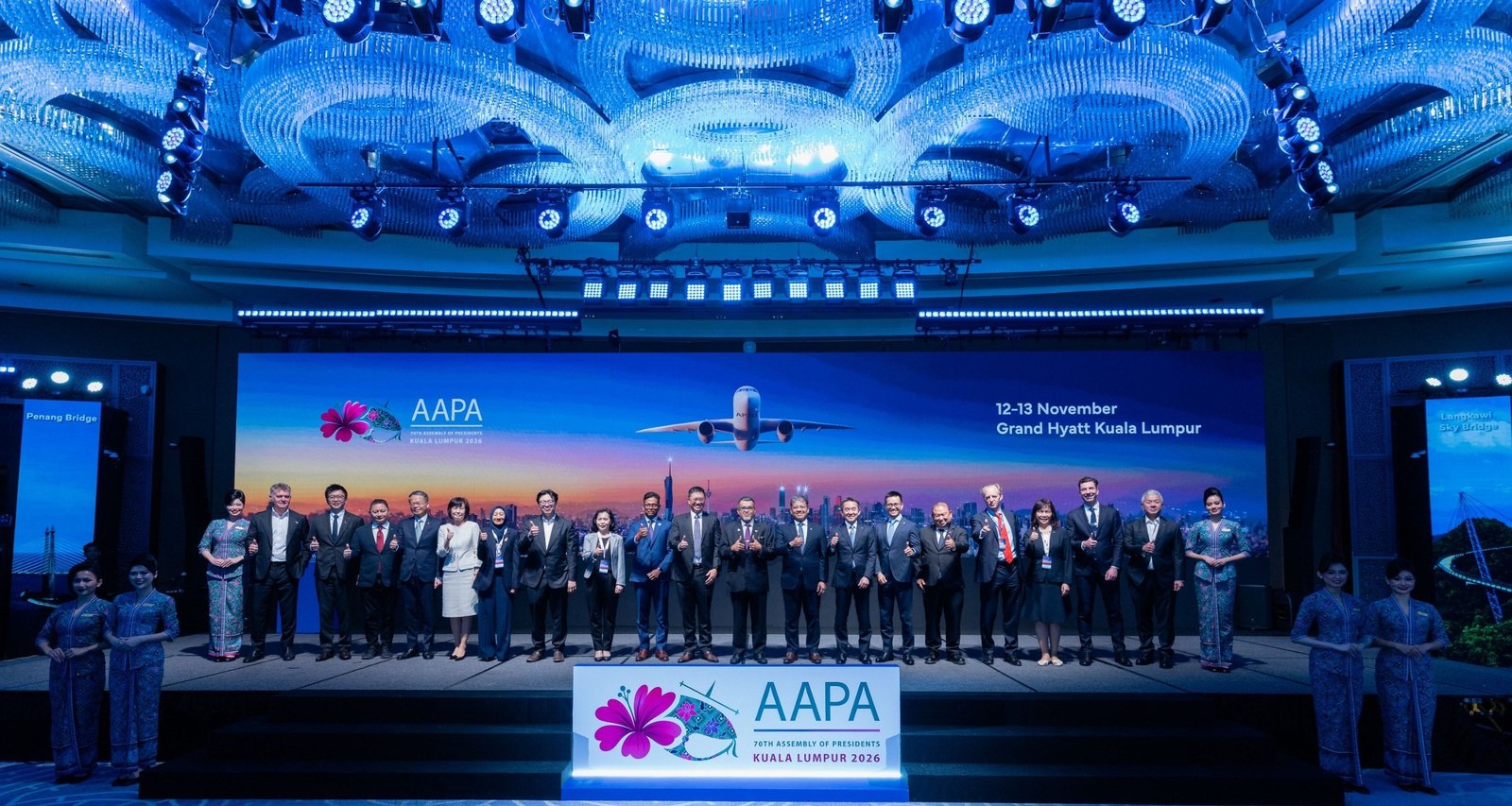
The skies above the Asia Pacific region have long served as the invisible highway powering cross-border trade, driving global tourism, and uniting diverse economies. Yet, beneath record passenger demand and booming middle-class aspirations lies an increasingly fragile operational reality. At the recent 70th Assembly of Presidents of the Association of Asia Pacific Airlines (AAPA) hosted by Malaysia Airlines in Kuala Lumpur, airline leaders delivered a clear, sobering message: while consumer appetite for travel remains remarkably robust, structural cost pressures, geopolitical friction, and supply chain bottlenecks are threatening the long-term viability of the region’s air transport network.
By Vishal Kashyap
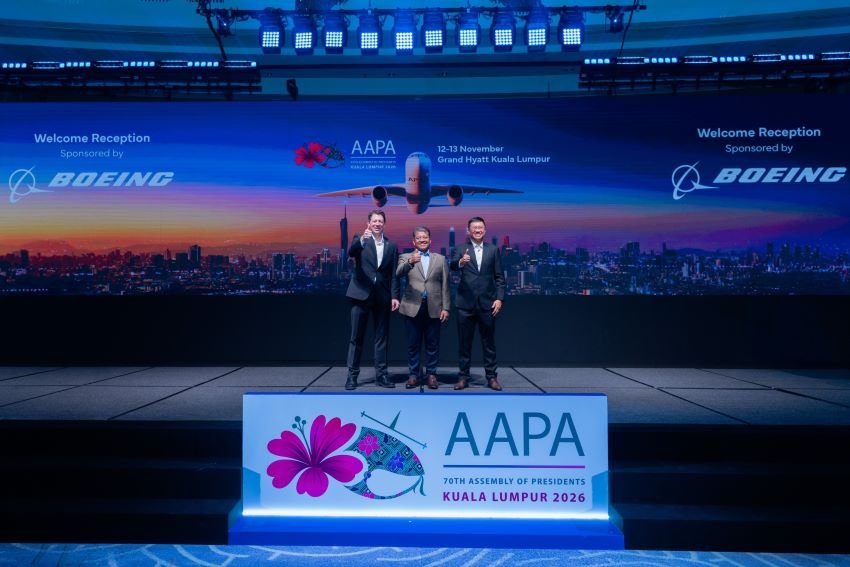
Bringing together more than 170 delegates under the theme “Redefining Aviation: Growth, Resilience and Innovation,” the landmark gathering underscored an urgent truth. Commercial aviation cannot shoulder the burdens of a shifting global economy alone. If the Asia Pacific is to maintain its status as the world’s largest and most dynamic aviation market, governments, regulators, and industry leaders must forge an unprecedented level of collaborative partnership.
Navigating the Perfect Storm: Costs, Capacity, and Geopolitics
The operating environment for Asia Pacific carriers has shifted dramatically over the past twelve months. Despite a demanding landscape marked by geopolitical instability, trade tensions, and disruptions to oil flows, regional airlines have displayed exceptional adaptability. During the first nine months of 2026, passenger demand grew by 1.9%, culminating in an impressive and record-breaking average passenger load factor of 83%. This high utilization reflects both enduring consumer desire for international travel and the operational agility of carriers optimizing their route networks.
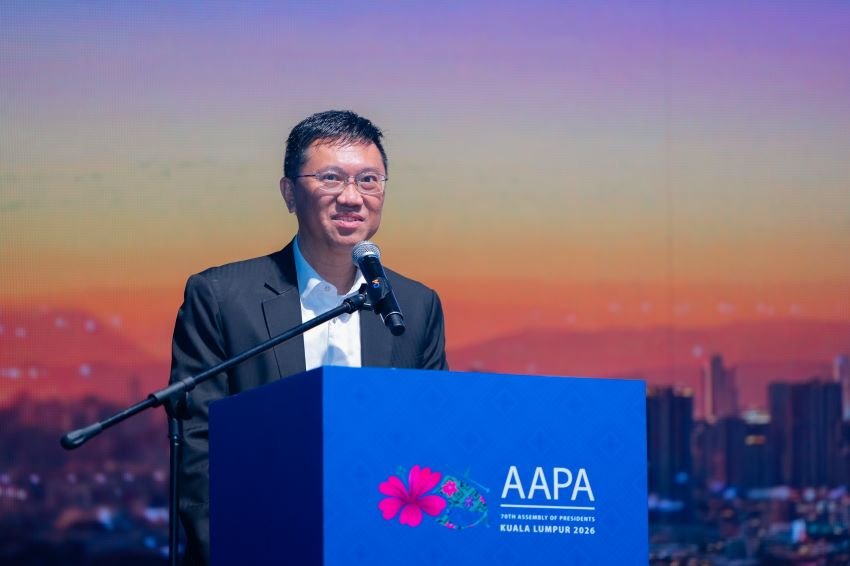
However, these figures mask deep-seated vulnerabilities. AAPA Director General Wong Hong highlighted the mounting gravity of the situation, noting that a sharp escalation in fuel prices has placed unprecedented financial strain on airlines. Fuel represents one of the most volatile and largest variable expenses for any carrier; when prices surge alongside fluctuating oil markets and airspace access changes, profit margins evaporate rapidly.
Compounding this fuel crisis are persistent supply chain fractures. Carriers across the region continue to struggle with:
- Aircraft Delivery Delays: Manufacturers grappling with supply chain disruptions leave airlines waiting years for new, fuel-efficient fleet additions.
- Maintenance Bottlenecks: A shortage of certified parts, engine overhaul slots, and skilled technical labor keeps valuable aircraft grounded longer than scheduled.
- Labour Shortages: Critical operational sectors, from flight deck crews to ground handling and air traffic management, face talent deficits that cap operational efficiency.
These friction points do not merely inconvenience corporate planners; they directly constrain fleet modernization plans and artificially inflate operating costs, threatening the affordability and frequency of regional connectivity.
Four Pillars of Action: The AAPA Resolutions
Recognizing that individual carriers cannot engineer solutions to systemic macroeconomic crises in isolation, the 70th Assembly adopted four pivotal resolutions. These frameworks establish a practical, shared agenda covering aviation sustainability, passenger rights, cabin safety, and security.
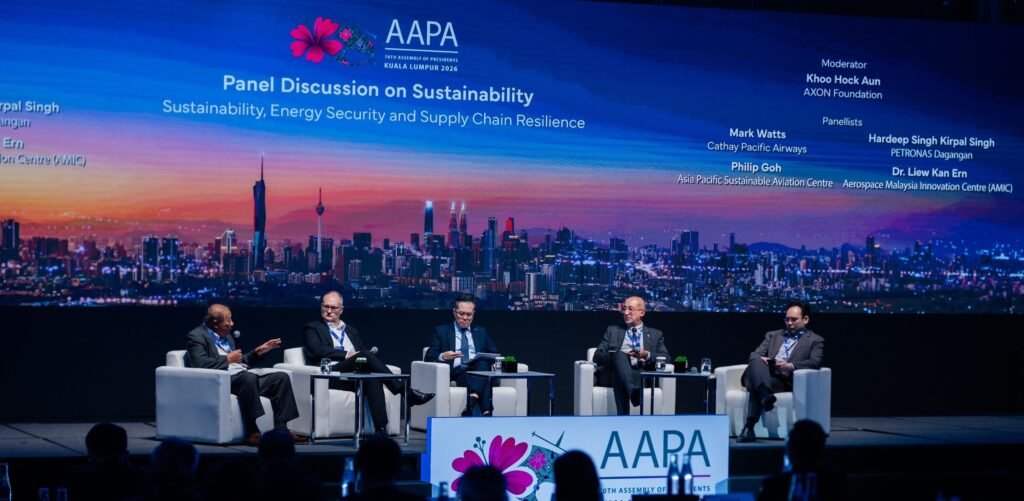
- Aviation Sustainability and the SAF Imperative
Decarbonization remains an existential priority for the sector. AAPA reaffirmed its collective target of achieving a 5% Sustainable Aviation Fuel (SAF) utilisation rate by 2030, aligning with the International Civil Aviation Organization’s (ICAO) long-term goal of net-zero carbon emissions by 2050.
Yet, as airline executives noted in Kuala Lumpur, high costs, limited production capacity, and strict availability constraints remain massive hurdles. To bridge the gap between ambition and reality, AAPA called on governments to take a leadership role by adopting eight core policy principles. These principles advocate for:
- An ecosystem-wide approach across the entire SAF value chain.
- Long-term policy clarity tailored to national readiness.
- Market competition, a level playing field, and the prevention of market concentration.
- Technology-neutral, performance-based frameworks rewarding higher greenhouse gas reductions.
- Global and domestic policy harmonisation, including the formal regional acceptance of “book-and-claim” accounting mechanisms and compliance with CORSIA-certified fuel standards.
- Balanced Passenger Rights Regulations
As passenger rights regulations proliferate across jurisdictions, the regulatory patchwork is becoming increasingly complex. AAPA urged governments to anchor new rules in core principles that balance robust consumer protection with industry competitiveness. Regulations must guarantee clear pre-travel education, appropriate care during unexpected operational disruptions, and efficient dispute resolution. Crucially, the Association stressed that liability must reflect the shared responsibilities of all aviation stakeholders—including airports and air navigation service providers—ensuring that airlines are not forced to bear a disproportionate financial burden for delays outside their direct control.
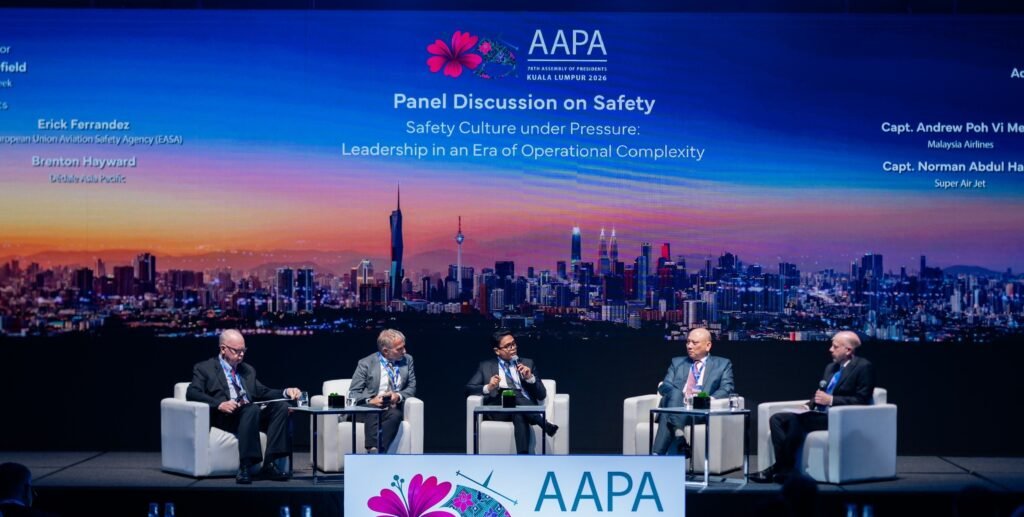
- Elevating Cabin Safety Standards
With travelers returning to the skies in historic numbers, cabin safety has taken center stage. The Assembly called for deeper, structured collaboration among regulators and airlines to tackle emerging hazards, including the thermal runaway risks associated with lithium-ion batteries, the rising incidence of unruly passengers, medical emergencies, and standardized crew training for emergency evacuations. Strengthening regional regulatory cooperation and information sharing will be vital to building institutional capacity.
- Integrating Human Factors in Aviation Security
Security frameworks are evolving, and AAPA resolved to integrate human factors directly into regional security protocols. By focusing heavily on specialized training, mental workload management, positive security culture, and organizational learning, carriers aim to fortify defenses against modern threats while leveraging ICAO’s Asia and Pacific aviation security forums to disseminate best practices.
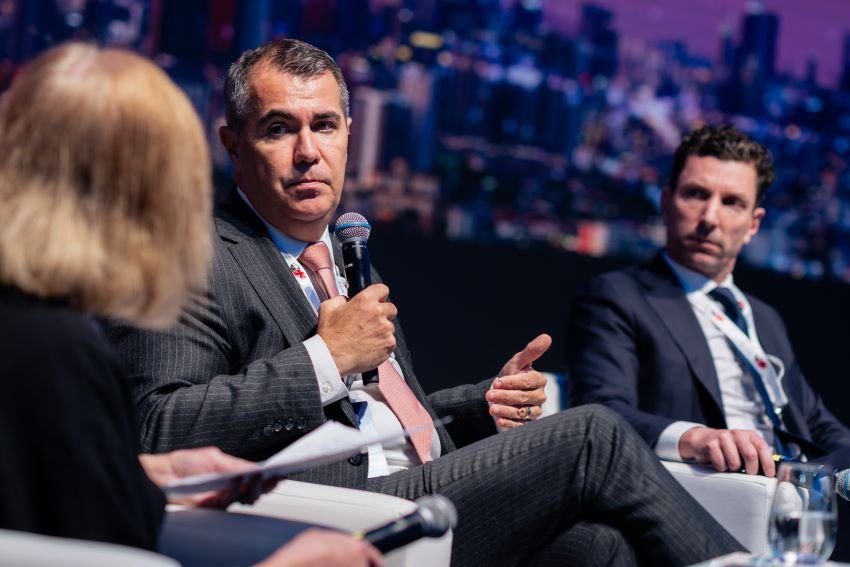
The Government-Industry collaboration: A Call for Constructive Engagement
The presence of high-ranking government officials at the Assembly—such as Deputy Minister of Transport Malaysia—underscored the critical intersection between public policy and private enterprise. Aviation is not merely a commercial service; it is national infrastructure that underpins tourism, facilitates international commerce, and binds island nations and continental landmasses together.
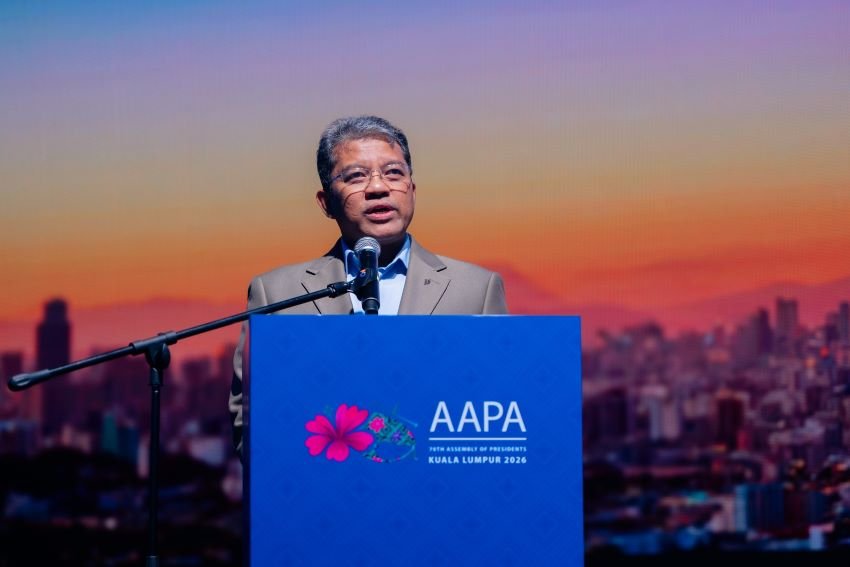
Captain Nasaruddin A. Bakar, President and Group Chief Executive Officer of Malaysia Aviation Group (MAG), emphasized the power of a unified voice. Operating in tightly interconnected markets means that regional challenges inevitably spill across borders. When governments enact unilateral policies without consulting the operational realities of carriers, the entire regional network suffers.
A constructive policy environment requires governments to act as active enablers rather than distant regulators. Whether through financial incentives for green infrastructure, modernization of air traffic management to cut carbon burn, or flexible regulatory approaches, state backing is essential to safeguarding the long-term viability of the region’s air transport network.
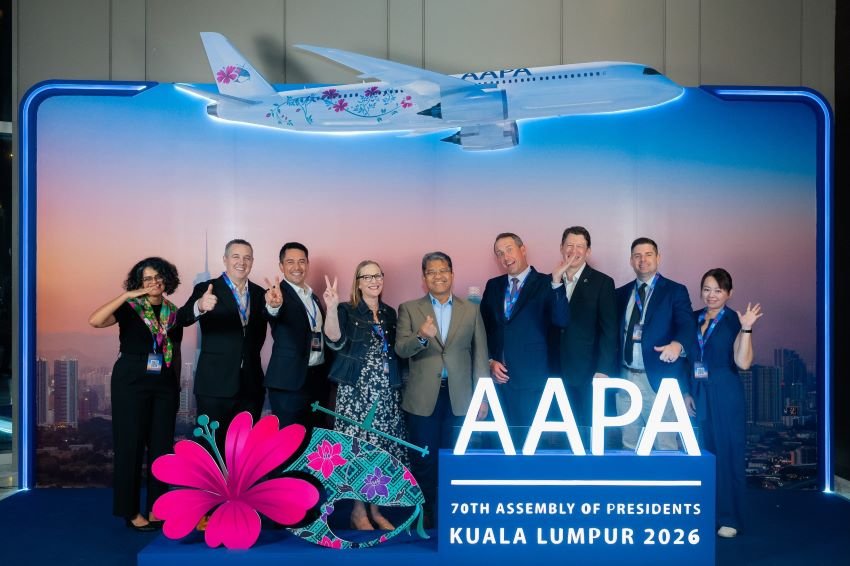
Embracing Innovation and Looking Ahead
Sustaining growth in a volatile decade requires more than weathering current storms; it demands proactive transformation. As Wong Hong pointed out, the integration of cutting-edge technologies and Artificial Intelligence (AI) offers a powerful pathway forward. From predictive maintenance systems that minimize unscheduled ground time to dynamic customer service platforms that rebook disrupted passengers in seconds, technology can dramatically enhance both operational resilience and passenger satisfaction.
Furthermore, the foundational tailwinds supporting Asia Pacific aviation remain extraordinarily strong. Rapidly expanding middle-class populations, rising disposable incomes, aggressive urbanization, and a deep cultural appetite for travel ensure that the fundamental demand for connectivity is unshakable. Even as geopolitical lines shift and near-term cost pressures bite, the long-term outlook remains profoundly positive.
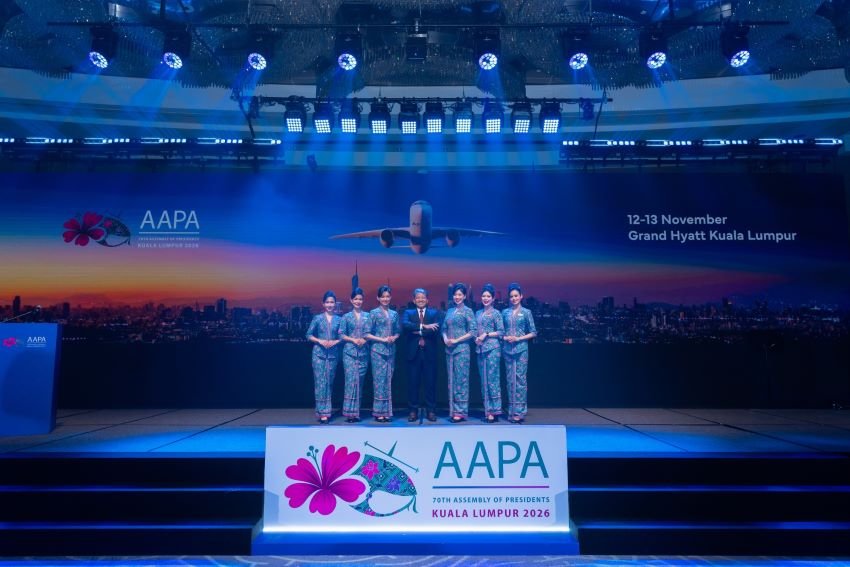
Malaysia Airlines, through its leadership role as AAPA Chair for 2026, has positioned itself at the vanguard of this dialogue. As initiatives like Visit Malaysia 2026–2027 draw global attention to the region, maintaining robust air gateways is more critical than ever.
The 70th Assembly of Presidents has set a clear benchmark. By leaning into innovation, committing firmly to sustainable transitions, and—above all—fostering deep, transparent collaboration between airlines and governments, the Asia Pacific aviation sector can successfully navigate its current cost pressures. The road ahead is demanding, but through unity and shared resolve, the region’s skies will continue to drive economic growth, connect cultures, and secure a resilient future for generations to come.
(The writer is Managing Editor of Aviation World and attended the AAPA 70th Assembly of Presidents in KL, Malaysia on the media invite)