
CONTROLLED FLIGHT INTO TERRAIN AN ANALYSIS

In  aviation,  a  Controlled  Flight  Into  Terrain  (CFIT)  is  an  accident  in  which  an airworthy aircraft, fully under pilot’s control, is unintentionally flown into the ground, a mountain, a body of water or an obstacle. In a typical CFIT scenario, the crew is unaware of the impending disaster until it is too late.


According to the Federal Aviation Administration (FAA), 17% of all General Aviation fatalities are as a result of CFIT accidents. As per FAA in 2015, 384 people died in

238 general aviation accidents and CFIT was the second leading cause. The key

cause of CFIT accidents is loss of situational awareness.


CFIT: Facts Check


  1. a) CFIT accidents are not limited to inexperienced pilot Well experienced pilots are just as likely to be involved in CFIT accidents.
  2. b) CFIT accidents are not more frequently at nigh Nearly 75% of CFIT accidents occur during day time hours.
  3. c) CFIT accidents occur more frequently during single pilot operations but can also occur during crewed flight.
  4. d) More than half of CFIT accidents occur during IMC.
  5. e) More than two third of all CFIT accidents are the result of altitude error or Vertical

Situational Awareness.

  1. f) With a properly trained crew in Crew Resource Management (CRM), the second pilot may make the difference between a Safe flight and a CFIT accident.


Leading Causes


  1. a) Faulty Judgement /  Poor  Decision  Making:-  Most CFIT accidents involve faulty  judgement  and  decision  making.  For  example,  making  the  decision  to continue flight when weather or other conditions have deteriorated to minimum VFR visibilities or
  2. b) Low Altitude:- Flight in unfamiliar terrain at low altitudes expose the aircraft to hazards such as power cables and towers. Power lines are difficult to see until they are too  close  to  avoid.  Therefore,  pre-flight  review  of  maps,  charts  for indication of towers, power lines and other terrain elevations is
  3. c) Procedural Errors During  IFR  Flight  Operations:-  Misreading  Minimum Descent Altitude (MDA) or beginning approach descent without confirmed glide scope
  4. d) Training:- Training of crew  and  familiarisation  with  aircraft  and  the  area  of operations forms an integral part of avoiding CFIT
  5. e) In Flight Decision Making:- Avoid the attitudes like ‘this is just a local weather phenomenon, will clear in just a few miles or I am instruments rated or I have flown many many times ’
  6. f) Lack of  Pre  Flight-Planning:-  Failing  to  review  aeronautical    charts    for Minimum  Safe  Altitude  (MSA),  obstacles  and  terrain  elevations  can  result  in operating at unsafe low altitudes. In helicopter operations local area maps of half a million scale, study of map contours, ridge lines and weather patterns play a crucial

How to Avoid CFIT


a) Pilot Attributes:- Two most important pilot attributes are pre-flight preparations

and exercising sound judgement (on the cautious side). Even flying in familiar terrain, work out safe get aways. For IFR flight, be sure to note the Minimum Enroute Altitudes for all segments.

  1. b) Know your Aircraft:-  Knowledge of aircraft performance like realistic maximum rate of climb or making a 180° turn under instrument conditions etc e Do not accept ATC procedures or instructions that would put the aircraft and the passengers in a potentially dangerous situation.




FOREWORD

Dear Readers,

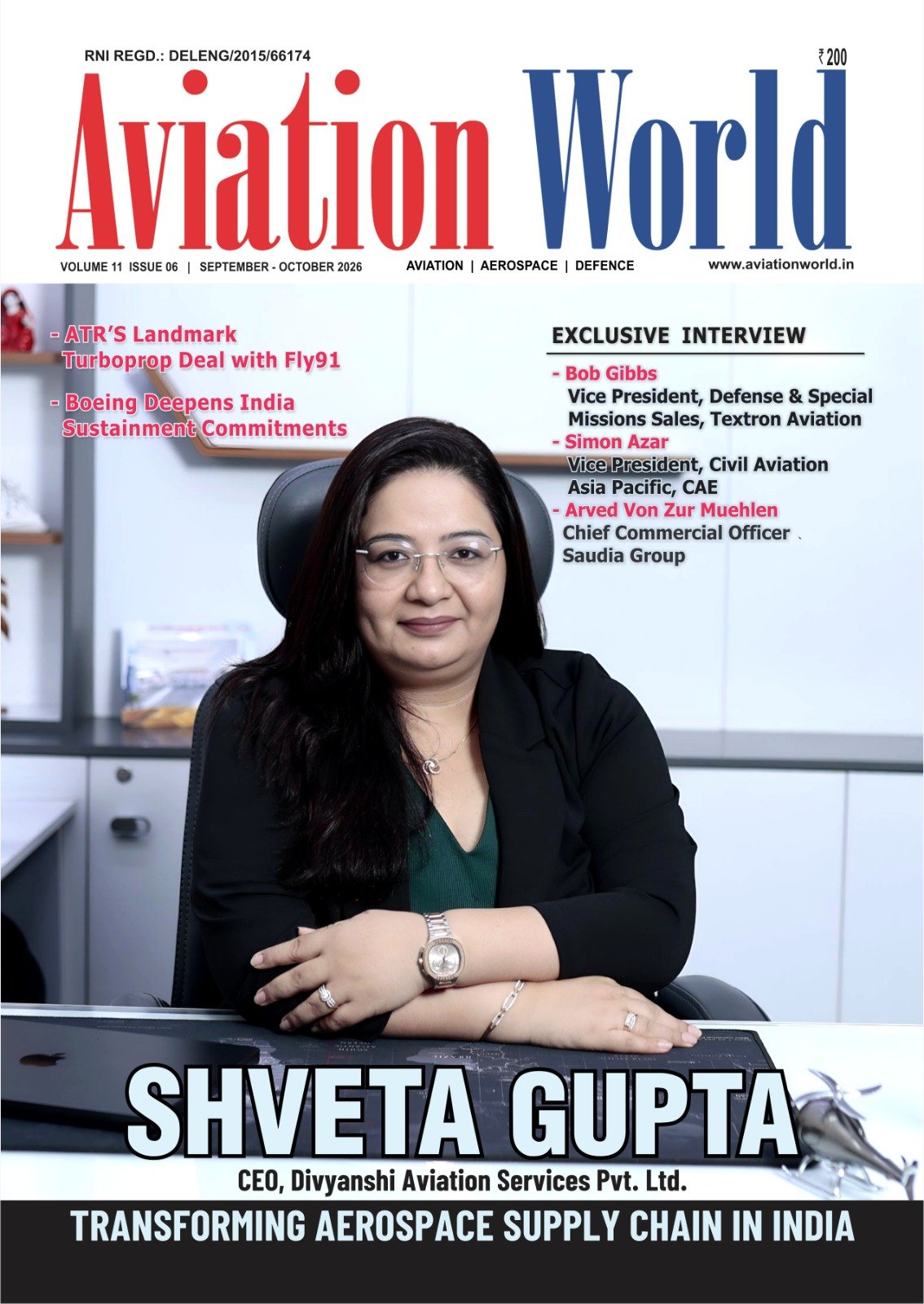
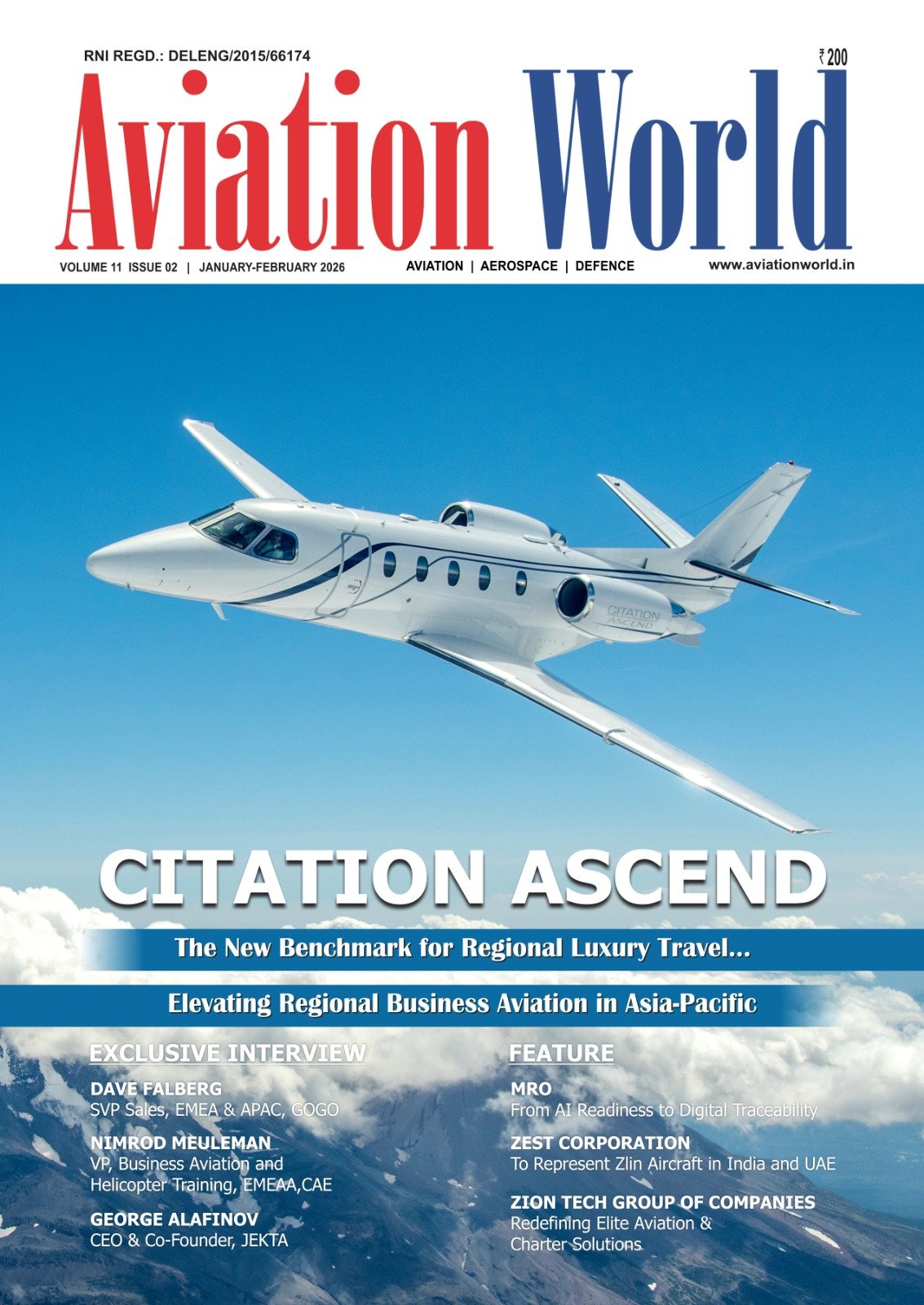
The Asia-Pacific aviation sector is expanding rapidly, driving growth far beyond aircraft numbers into crucial verticals like MRO, training, logistics, and aerospace supply chains. In this edition of Aviation World, we bring you exclusive interviews and features from across these sectors, offering direct industry insights from top global leadership.

Our cover story highlights Shveta Gupta, CEO of Divyanshi Aviation. Under her dynamic leadership, the company has established itself as one of India’s premier aerospace supply chain providers, partnering with leading global manufacturers. Our corporate feature delves into Divyanshi Aviation’s core operations, paired with an exclusive interview where Ms. Gupta candidly shares her professional journey and vision for the company’s future.

This issue also features exclusive conversations with prominent industry leaders, including:

  • Ron Nye, President of Avionics, Acron Aviation
  • Bob Gibbs, Vice President, Defense & Special Missions Sales, Textron Aviation
  • Sudhir S. Rajeshirke, President – Aerospace, Jubilant Enpro
  • Emmanuel Simon, Program Manager and Aerospace Leader, PHINIA
  • Arved von zur Muehlen, Chief Commercial Officer, Saudia Group
  • Simon Azar, Vice President, Civil Aviation, Asia Pacific, CAE

Each leader offers key perspectives on their organization’s strategic initiatives and their growing contributions to the Indian aviation and aerospace ecosystem. Additionally, you will find expert-authored analytical features offering deep dives into current sector trends.

Aviation World continues to expand its global footprint as an official media partner for major domestic and international aviation events. Our editorial team will be participating in several upcoming global forums, and we look forward to connecting with industry peers and exploring new collaborations.

We extend our sincere gratitude to our advertisers and partners whose continued support fuels our endeavor.

Happy Reading!

The Editorial Team

Aviation World

NEWSLETTER

Aviation World Magazine is India’s premier aviation magazine and has been actively supporting the development of the Indian and global civil aviation sector. We started our journey in year 2015 and its been 12 years now and the response and acceptance is really encouraging. Thanks to all our associates and writers who remained with us in our progressive journey.

We have started 2026 on a very positive note and we look forward to increase our footprints to more locations and induct many more new companies in our campaign.. Do write to us at : editor@aviationworld.in

Disclaimer

The contents published in this website are news covering Aviation, Aerospace and Defence sector. The objective is to provide news in informative form to keep our readers updated of the latest development. We also publish content featured in our print publication Aviation World.We try our best to avoid any factual errors or image displayed here but we ensure immediate corrections to any such thing brought to our notice that might have been published inadvertently. All images and contents are sourced from the relevant organisations media team.

Copyright ©2014 – 2026. AVIATION WORLD. All rights reserved.

Scroll to Top