
By Suresh Khadakbhavi
We’ve come a long way in air travel, haven’t we? Remember those days of clinging to paper boarding passes, terrified of losing them and facing a total nightmare? Or reaching the airport hours early just to slog through endless manual check-ins and security lines? One has to hover near crackly PA systems, ears perked for any word on flight delays or gate switches, always on edge. Now, thanks to technology, those pain points are fading into memory. Today, technology has transformed every step of the journey into something smoother, guided by real-time updates and clever innovations. It’s worth noting how artificial intelligence is driving this evolution, with technologies like Machine Learning (ML), Natural Language Processing (NLP), and Robotic Process Automation (RPA) reshaping aviation. These innovations deliver remarkable benefits while presenting challenges that demand careful navigation.
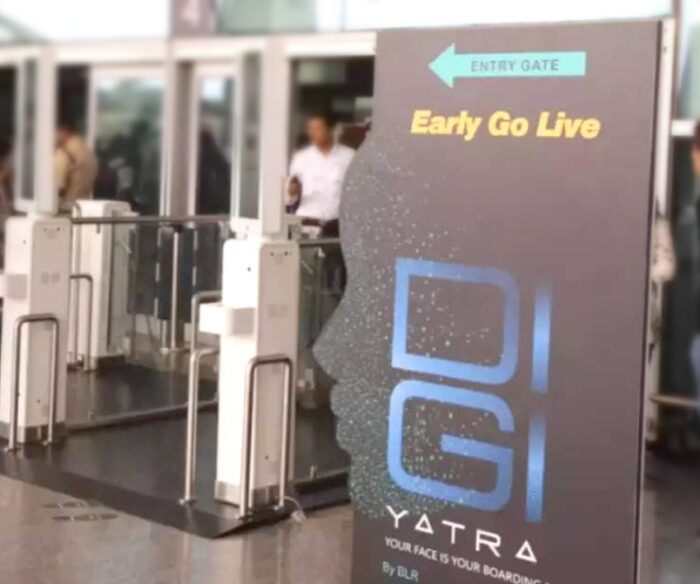
Several AI technologies underpin this transformation across the aviation ecosystem. Like Digi Yatra’s advanced biometric systems enable passengers to use their faces as a digital token, reducing airport entry times to seconds. Elsewhere, Computer Vision powers similar systems, such as at Singapore’s Changi Airport, where facial recognition verifies identities at gates. Machine Learning enhances operational precision — airlines using Rolls-Royce engines leverage it for predictive maintenance, analyzing sensor data to preempt engine issues, while air traffic systems like the U.S. NextGen optimize flight paths with satellite precision.
Natural Language Processing elevates passenger interactions. Advanced chatbots, such as those planned for Digi Yatra with Large Language Models, will offer multilingual support via text or voice. Globally, airlines like KLM leverage NLP assistants for bookings and updates. Robotic Process Automation streamlines backend tasks — automating check-in data or baggage tracking — allowing staff to prioritize service quality.
Benefits of AI-Driven Transformation
The advantages are transformative. Efficiency is significantly enhanced; biometric systems eliminate repetitive document checks, while AI/ ML-driven scheduling reduces delays — Emirates, for instance, uses AI to anticipate weather disruptions. Decision-making is improved as well. Airlines harness ML for dynamic pricing, adjusting fares based on demand, and airports forecast passenger volumes to optimize resources. Cost savings follow—fewer delays, reduced fuel use through optimized routes, and automation of routine tasks lower expenses, benefiting the industry and travelers alike.
Challenges in Adoption
Adoption remains a challenge since people always hesitate to opt for new digital tools. This could be due to privacy concerns, low digital proficiency, or a lack of awareness. To ensure that technological progress benefits all travellers, efforts must continue to create awareness among the masses about tech adoption and how it redefines their travel as a seamless experience.
Data privacy and security are critical, particularly with biometric systems. Digi Yatra addresses this with a decentralized model, storing PII data only on the users’ devices and the shared credentials to airport verifiers are deleted within 24 hrs of the STD of their flight, adhering to standards and policies. The entire Digi Yatra Ecosystems are audited by CERT-In empanelled agencies on a periodic basis to ensure compliance. Globally, organisations adopting facial recognition and analytics ensure robust encryption of PII data and compliance with regulations like GDPR.
The skill gap poses another challenge. Implementing ML or NLP requires specialized expertise, which is not yet universal in aviation. Training initiatives are vital to bridge this divide. Additionally, integrating AI with legacy systems, such as outdated radar-based air traffic control or manual check-in desks, presents technical and financial hurdles. Modernizing these to support RPA or Computer Vision requires strategic investment.
Transforming Air Travel Globally
Beyond Digi Yatra’s success in India, where >12 million passengers have embraced touchless travel, numerous technologies are revolutionizing airports worldwide. The transition from radar to satellite-based air traffic management, as seen in NextGen, boosts precision and sustainability. Digital twins — virtual aircraft models — enable engineers to simulate maintenance, a technique used by Airbus. In-flight, Wi-Fi and AI-driven entertainment systems, like those on Qatar Airways, personalize passenger experiences, replacing static screens with tailored content.
Airports are evolving into interconnected digital hubs. Biometric boarding at Atlanta’s Hartsfield-Jackson mirrors Digi Yatra’s approach, while RPA-powered automated baggage systems minimize losses. ML optimizes runway usage, reducing wait times. These advancements ensure faster, more reliable, and environmentally conscious travel, with AI aiding fuel-efficient flight planning.
A Future in Flight
A blend of Machine Learning, Natural Language Processing, Computer Vision, and Robotic Process Automation will create a smarter, more efficient industry. From predictive maintenance to biometric check-ins, these technologies deliver streamlined operations, informed decisions, and cost reductions. Challenges such as privacy, workforce skills, and legacy integration are significant but addressable through collaboration and innovation. As AI becomes more advanced, it will not only optimize operational efficiency but also redefine how we interact with travel technology. The aviation industry is just getting started on this AI-powered journey, and the sky is truly the limit!
(The writer of this article is the CEO of Digi Yatra Foundation & Key Advisory Member of Inter Passenger Terminal Show)