
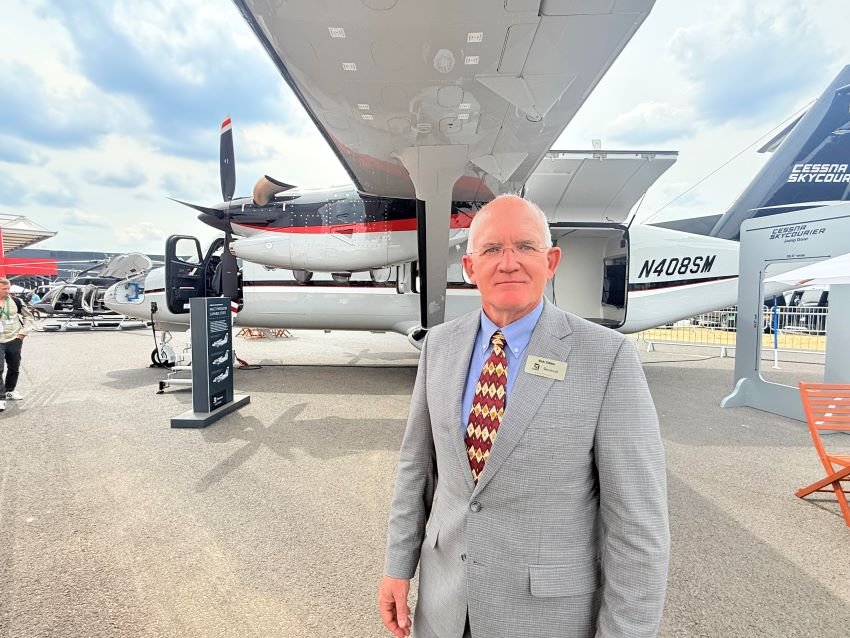
As India’s regional connectivity needs continue to grow, Textron Aviation is positioning the Cessna SkyCourier as a flexible, lower-cost aircraft built for commercial, government and special mission operators. In an exclusive conversation with Aviation World Managing Editor Vishal Kashyap, Bob Gibbs, Vice President, Defense & Special Missions Sales, Textron Aviation, explains why the SkyCourier’s simple, durable design makes it well suited for India, Asia-Pacific and a wide range of mission needs. Excerpts:
AW: Could you brief us the key capabilities of the Cessna SkyCourier, and share your strategy for expanding its footprint in regional markets?
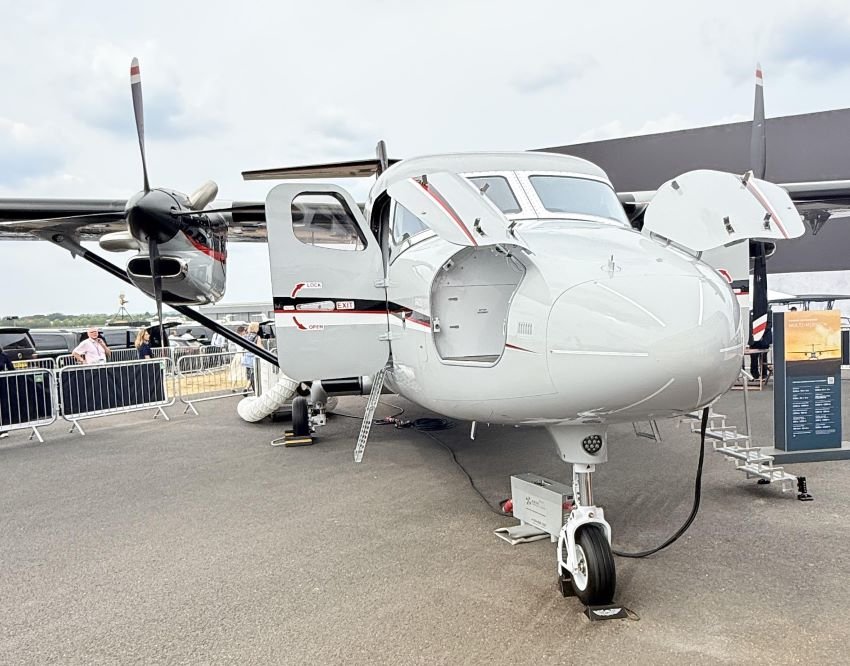
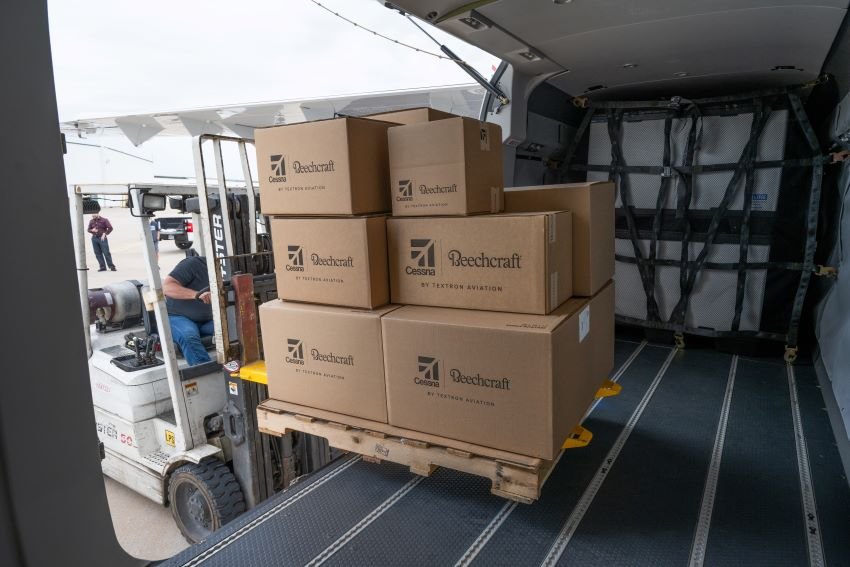
A:The Cessna SkyCourier is our newest clean-sheet aircraft, and it has been in production since 2022. We designed it to do a few things very well: keep operating costs low, deliver strong dispatch reliability and give operators an airplane that is simple to maintain and designed for quick loading, unloading and turnarounds.
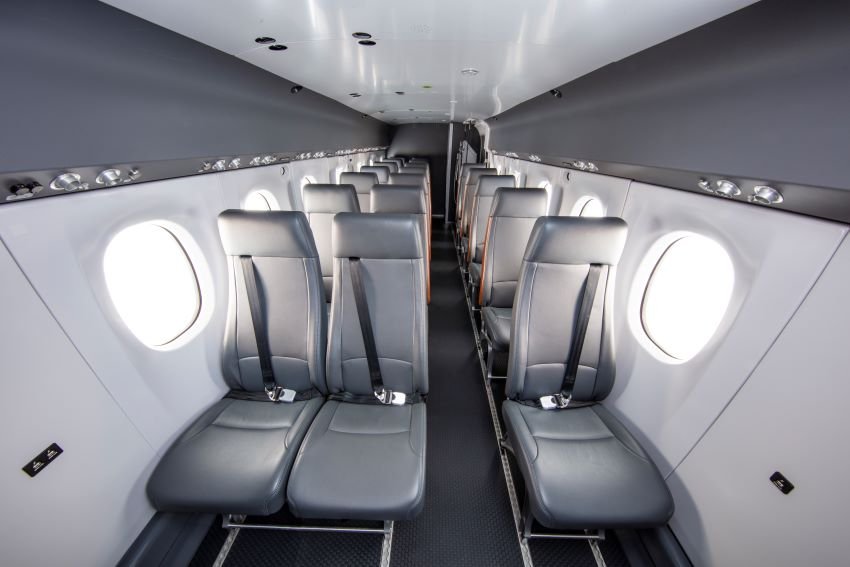
The flexibility is the key point. SkyCourier can operate as a dedicated freighter, a 19-seat passenger aircraft or a combi aircraft with passengers up front and cargo in the back. The seat tracks run the length of the cabin, so operators have a lot of freedom to configure the aircraft around the mission.
Crew requirements depend on the country, configuration and operating rules. In markets where regulations allow single-pilot operations, SkyCourier can give operators additional flexibility, while the 19-passenger configuration requires two pilots. For multi-mission operations, that flexibility matters because a commercial operator, government agency or military customer can configure the aircraft around what it needs to accomplish that day.
AW: Focusing on the technical side, what specific engines power the SkyCourier, and how robust are its and avionics in rugged operating environments?
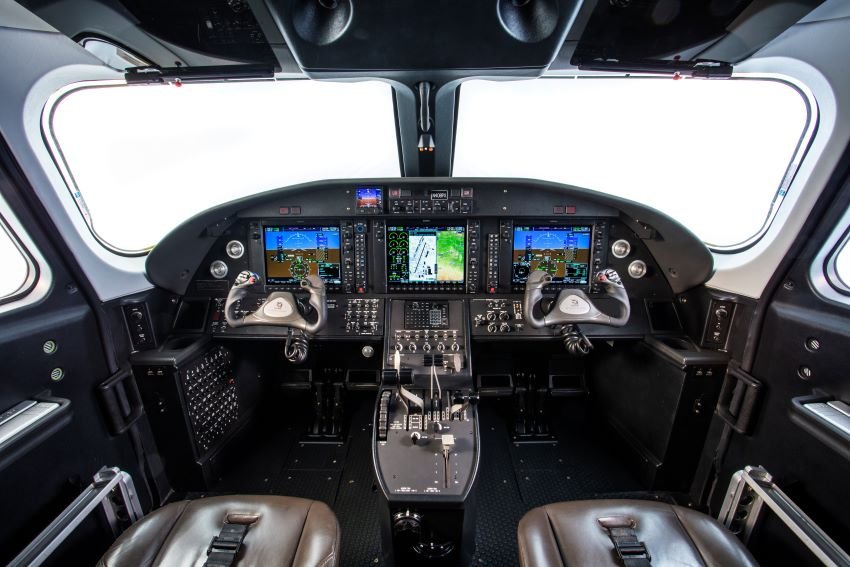
A:The SkyCourier is powered by two Pratt & Whitney Canada PT6A-65SC engines and McCauley aluminum propellers. That combination gives operators dependable performance, strong reliability and lower maintenance costs.
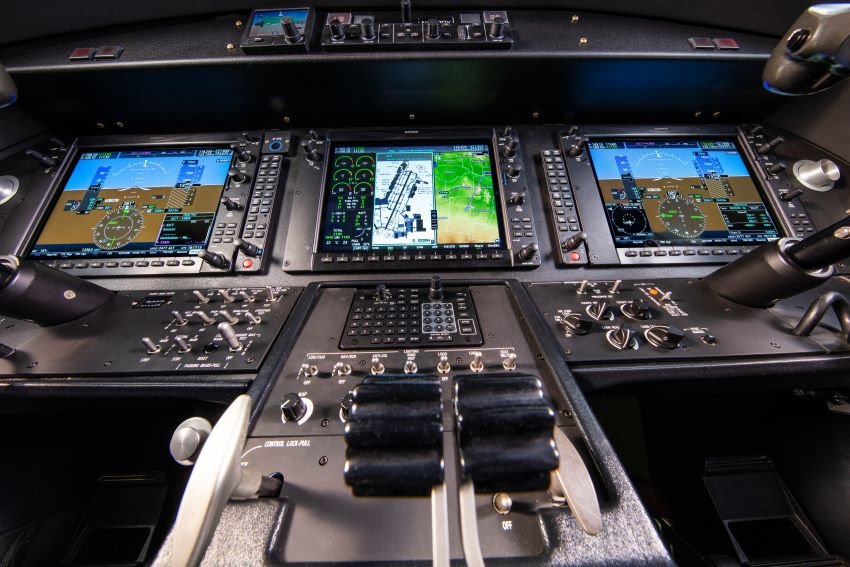
The aircraft uses the Garmin G1000 NXi avionics suite. The cockpit was designed to feel familiar for pilots coming from aircraft such as the Cessna Caravan or King Air. That was intentional. We wanted the transition to be straightforward, especially for operators moving pilots into their first larger twin-engine turboprop.
In markets where regulations allow single-pilot operations, operators can tailor passenger-and-cargo layouts to meet local requirements, keep utilization high and still match the aircraft to the route.
That is why we offer that combi-configuration. If an operator faces a regulatory threshold at nine seats, it can reduce passenger count, add cargo and still complete the mission efficiently.
AW:Is this flexibility the primary reason commercial operators in APAC are choosing this specific configuration for their fleets?
A:Yes, flexibility is a major reason operators are interested in the aircraft. In Asia-Pacific, public operators include Air Marshall Islands and operators in the Philippines, with continued regional interest across Asia-Pacific. Those operators are looking for an aircraft that can move passengers, cargo or a mix of both without adding complexity.
Some missions will use the combi setup. Others will be all passengers or all freight. The point is that the aircraft gives operators choices. They are not buying a single-purpose airplane; they are buying a platform they can put to work in several ways.
AW: In terms of performance, what is the aircraft’s maximum range in nautical miles, and what is its service ceiling?
The SkyCourier is not pressurized, so most operators typically fly it in the 10,000- to 12,000-foot range. The aircraft is certified up to 25,000 feet, which gives crews flexibility when terrain or weather requires it. For operations above 14,000 feet, passenger oxygen requirements apply, but most missions do not need to operate that high.
The aircraft offers more than 900 nautical miles of range, depending on configuration. In day-to-day commercial service, the sweet spot is usually a one- to two-hour sector, or roughly 200 to 400 miles. It can go farther when needed, but the economics are especially strong on regional routes.
AW: What kind of special missions or specialized roles can this aircraft be configured for?
A:The short answer is almost anything. We continue to develop air ambulance configurations and related special-mission capabilities. We are also working on additional utility-mission options, including jump-door and related configurations, subject to program timing and customer requirements.
For surveillance and security missions, we are looking at provisions for electro-optical/infrared cameras, radar pods, LiDAR and aerial survey equipment. Those kinds of missions are exactly where the aircraft’s cabin size, payload and endurance become valuable.
So whether the need is maritime patrol, border surveillance, medical evacuation, mapping, cargo, personnel transport or disaster response, SkyCourier gives customers a practical platform they can adapt to the mission.
AW: Regarding the emergency medical services configuration, how many stretchers can the aircraft accommodate at once, or is that layout customizable for the operator?
A:Air medical configurations can be tailored around operator requirements, including one or two medical beds and standard life-support equipment such as oxygen, vacuum, defibrillators and stretchers. Operators can also adapt the layout for mission-specific medical equipment, depending on their requirements.
We are also evaluating medical-evacuation layouts that could support disaster response or mass-casualty missions, depending on customer requirements and release approvals. That is different from a traditional air ambulance. It is more about moving several patients safely rather than providing full bedside care in flight.
AW: Are you targeting this aircraft primarily at government and institutional clients rather than private or commercial buyers?
A:No. Both markets are important. Commercial operators have been important early customers, and government interest continues to grow. Operators are using the aircraft for regional airline service, charter, air taxi and freight.
Government interest is strong as well, but those programs tend to take longer. Military and government customers often need more time to validate the aircraft, define requirements and move through procurement. That is normal. The important point is that the same aircraft can support both commercial and government missions.
AW: What is the current production and delivery status of the Cessna SkyCourier program?
A:SkyCourier deliveries continue to grow, with aircraft operating across multiple global markets. We do not provide detailed production volumes by model beyond what is publicly reported, but the General Aviation Manufacturers Association (GAMA) publishes delivery data that reflects the program’s progress.
What matters most is that customers are flying the aircraft every day and using it to generate revenue. That is the best proof point for the program.
AW: How do you view the Asia-Pacific region as a market for this aircraft moving forward?
A:Asia-Pacific is a very important market for us. We have had early success with public operators in the Marshall Islands and the Philippines, and we continue to see interest across the broader region.
We also have other customers in the region that have purchased aircraft but have not yet taken delivery or announced their plans. In those cases, we let the customer decide when to speak publicly.
The region is a natural fit because there are many routes and missions where a durable 19-seat aircraft makes sense. Cessna aircraft have a strong history there, and that gives us confidence as we continue to grow the SkyCourier fleet.
The aircraft is attractive because it combines low operating cost, high reliability and long inspection intervals. If an airplane spends less time in maintenance and more time flying, that directly helps the operator.
AW: How do you view India as a potential market for this aircraft?
A:India is an important market for Textron Aviation, and regional travel there continues to evolve. The country has a lot of high-density routes where larger airlines make sense, but it also has many smaller communities and regional markets that need practical, reliable air service.
That is where SkyCourier can fit. It gives operators a way to connect smaller markets, carry passengers or freight, and support regional connectivity without the cost or complexity of a larger aircraft.
AW: To conclude, are there any final thoughts or key points you’d like to share about the SkyCourier?
A: I think you are going to see more interest in the SkyCourier across Asia. As customers take delivery, people will see the aircraft doing what it was built to do: operating from shorter runways, carrying useful payloads and supporting a wide range of missions. We continue to see government and military opportunities in the region, but those efforts will move according to customer requirements and program timing.
( This exclusive interview is also published at Aviation World Sept-Oct 2026 Print Edition)