
Projecting Ideas for Domestic Manufacturing Opportunities in the Civil Aviation Sector
By Rishikesh Mishra
Indian aviation is on the trajectory of fast development. After implementation of Open Sky Policy in the year 1990, this industry has crossed through various ups and downs. It is settled in last 10 years taking a stable path. The Indian aviation market is poised to be the third largest in the world. Moreover, the recent announcements made by Indian carriers for induction of aircraft rose to over 1200 plus.
Our strength in trained human resource and skilled management has reached to its optimum level. Now we can say that we can explore other areas to be self-reliant in this sector and reduce overseas dependency. Component and aircraft manufacturing is such arena where still there is dominancy of developed countries. But gradually we have been entering into the marketing sector of components including engines.
1. A prioritised list of civil aviation products that can be made in the country
Tier 1 (0–2 years): immediate localisation (high volume, low airworthiness friction)
A. Ground Support Equipment (GSE) and MRO Tools
• Tow bars, wheel chocks, jacks/axle stands, and docking platforms
• Stands for moving engines, APUs, pallets, and shipping equipment
• Tool kits that have been calibrated and special tools like rig pins and alignment tools
B. Cabin interiors (parts that are not structural or safety-critical)
• Panels for the ceiling and sidewalls, PSU panels, trim parts, ducts, and shrouds
• Hardware for storing things, signs and placards, and plastic parts inside
• Seat covers, cushions, rugs, and curtains
C. “Standard” parts made of sheet metal and CNC machining (not critical)
• Simple fittings, brackets, clamps, clips, covers, spacers, and shims
• Fairings and non-primary panels; door hardware (chosen)
D. Connecting and using electrical wires
• Bonding leads, wiring harnesses/looms, and ground straps
• Junction boxes, clamp kits, cable trays, and relay panels
E. Common spare parts and things that run out
• Insulation blankets, seals, gaskets, and O-rings (qualified elastomers)
• Sleeving and tapes, protective covers, packaging, and kitting
[Adopting AS9100D, FAI (AS9102), traceability, workmanship standards, and basic environmental verification when needed are the main things that make this possible.]
Tier 2 (2–5 years): Medium complexity (needs process qualification and testing)
A. Composite and bonded assemblies (chosen scope)
• Honeycomb/sandwich panels (not the main ones to start), composite fairings
• Covers for radomes and antennas, access panels, and certified interior monuments
B. Chosen parts for hydraulics, pneumatics, fuel, and ECS
• Chosen qualified rigid tubing, flexible hoses, fittings, filters, and manifolds
• ECS ducting and insulation systems (not in the hot part)
C. The ecosystem of landing gear (some of its parts)
• Chosen: pins, bushings, bearings, spacers, and torque links
• Brake wear indicators, hoses and fittings, and ground locks
D. Hardware for avionics mechanics, enclosures, and integration, such as EMI/EMC gaskets, avionics racks/trays, cooling ducts, and antenna subassemblies.
• Sensor mounts, brackets, and housings
[Important Factors: Special process control, the ability to do non-destructive testing (NDT), cleanliness and pressure testing, support for DO-160 aligned testing, and configuration control.]
To be in Tier 3 (5+ years):Need to have a strategic ability (high criticality + deep certification).
A. LRUs for avionics that are safety-critical and high-integrity electronics
• Certified flight/safety-critical LRUs (hardware and software) and advanced power electronics
B. Main structures and big structural assemblies
• Structures that hold up the load of the wing and fuselage, as well as big composite primary assemblies
C. Advanced parts for the engine and APU, such as the hot section and long horizon
• Materials, coatings, and important rotating parts that can handle high temperatures (with OEM/authority approval)
[The main things that make this possible are DO-178C/DO-254 programs, high-end environmental and EMI labs, fatigue and endurance rigs, metallurgical labs, mature Part-21 style oversight, and working with OEMs.]
SUPPORT REQUIRED FROM GOVERNMENT:
The government needs to help this industry for big changes that will have a big effect.
1. A shared national infrastructure for certification and testing for DO-160 environmental, EMC/EMI, vibration, thermal, humidity; materials and fatigue testing; and metrology/calibration hubs.
2. Quick regulatory paths for localisation: clear ways for parts made in the country to be accepted through processes that follow DGCA rules (conformity, traceability, FAI, approved data).
3. Helping MSMEs improve their quality: subsidised adoption of AS9100D, auditor pools, supplier development programs, special-process training, and support for getting qualified.
4. Long-term procurement visibility and demand aggregation: airline/MRO pooled demand forecasting, rate contracts, and localisation targets with clear part families.
5. Making customs and logistics easier for aviation parts: faster clearance lanes for AOG and critical parts, bonded logistics support, and easier loops for re-exporting and fixing parts.
6. Tier-2 and Tier-3 R&D incentives: money for testing rigs, composites, sensors, avionics, and other things; tax breaks for qualified tooling and certification costs.
7. A structured partnership framework between OEMs, lessors, and airlines that gives them incentives to share technology, get licenses to make things, and improve their repair skills in India.
8. Skill development has taken centre stage with tailor-made training and vocational courses that create industry-ready workers who owe demand for skilled MRO professionals. This focus on skill development ensures a steady supply of qualified technicians and engineers for the industry.
9. Introduction of Aerospace and Aviation Sector Skill Council (AASSC) under Skill India Mission(NSDC) in the specialized skill training arena, GOI can plan to produce maximum number of specialized trained professionals(Aircraft Maintenance and Aircraft Manufacturing) to meet the requirement of such professionals in the fast-expanding aviation industry.
10. Under the current rules to approve AME Training Centre, aircraft and engine MROs approved under CAR 145 are only be eligible. Status of old /existing AME Colleges has been just asked to continue with basic changes incorporated in the course design and on job training requirements. In this process, CAR 145 Organizations who have approvals in the component/Parts category and follow the same regulation as of aircraft and engine MROs and enjoys the same privileges except permission to develop Basic Aircraft Maintenance Training Facility under CAR 147. EASA 147 also does not prohibit component and parts MRO to set up Basic Aircraft Maintenance Training facility and limitation of OJT is similar for all MROs- complete aircraft, engine and parts/components.
11. Presently we are majorly dependent for specialized training on global training establishments. This is becoming a burden on aircraft maintenance organizations because they have to pay foreign exchange for such training requirements and ultimately the aircraft operators get affected as the end users.
UTILIZATION OF REVERSE ENGINEERING TO PROMOTE TECHNOLOGICAL DEVELOPMENT IN INDIA
Using reverse engineering to help technology grow (in a way that is legal and follows the rules)
Reverse engineering can be used to handle obsolescence, supply-chain risk, and maintenance continuity in a responsible and legal way, as long as it follows IP rules and gets airworthiness approval.
• Old or obsolete parts where OEM supply is limited, allowing for compliant production through approved engineering data routes.
• Using benchmarking materials and processes to make native equivalents (without taking proprietary data).
• Repair development (reverse-to-repair) for broken or old parts using repair plans that have been approved and test evidence that has been tested.
• Before the system is put into use, the authority must approve a governance model that includes IP due diligence, documentation control, part traceability, conformity inspections, and testing/substantiation.
CONCLUSION:
We strongly propose to develop an eco-system to set up manufacturing units for small parts which are usually of non-critical nature and are required in volumes as consumables. OEMs will also not hesitate to share their Intellectual Property Support to us considering a low value business for them but a considerable cost to our operations. Once, we are successful in this arena, with OEM support or following reverse engineering method, we can gradually develop work for other components as well.
The roadmap above lets you quickly localise in Tier 1, scale up your capabilities in Tier 2, and become strategically self-reliant in Tier 3, all while keeping safety, quality, and compliance with regulations at the highest levels. We are still open to having a detailed conversation with the DGCA/MoCA team. We can also send an annexe with suggested part families, a map of what domestic suppliers can do, and a timeline for when things will be done.
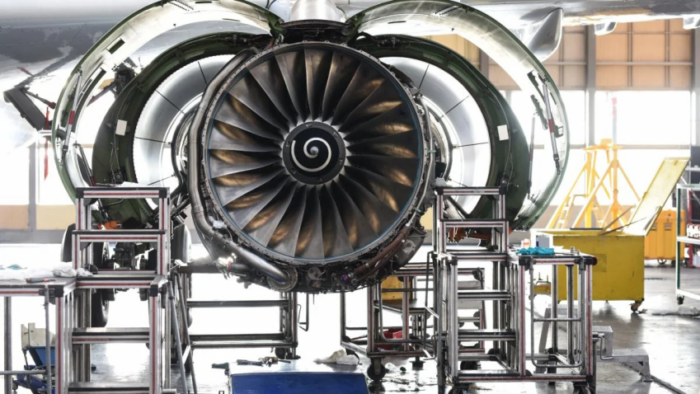
( Views expressed are of the feature writer.The banner pix used in this feature is only for representation purpose and due courtesy is of the actual photographer and the respective company.)