

Author name: admin

Features

Behind the scenes of ground handling in the Nordics

In this feature, Aviator CEO Jo Alex Tanem talks about the realities of ground handling in the Nordics and the exceptional operations handled behind the scenes. Pit-stop precision Much of ground handling takes place behind the scenes, yet these services are critical to smooth airline operations. Once an aircraft lands, it must be turned around for its next flight within an extremely tight window – and winter adds the complexity of de-icing procedures. According to Tanem, a Norwegian who has spent more than three decades in aviation, ground handling must be coordinated down to the second. “When an aircraft arrives, we have about 25 minutes until its next departure. In that time, 160 passengers disembark and the same number board; 100-120 bags are unloaded along with cargo – sometimes pets or wheelchairs. Then the hold is loaded again, catering is restocked, and 10-20 tonnes of fuel are pumped in. To make it all happen, we operate like an F1 pit crew: everyone and everything in position, then the moment the aircraft stops, we execute dozens of tasks simultaneously,” Tanem explains. “One of the Mission: Impossible films was shot in northern Norway, and our team handled the aircraft that flew in the production equipment. Tom Cruise was on also board. Equally memorable was the day we serviced Air Force One in Helsinki when Donald Trump arrived with his wife. That was no ordinary operation – it required exceptional security measures,” Tanem recalls. Representing the airline Ground crews must treat passengers as their own customers, not the airline’s, says Tanem –that’s how his company earns the trust of its partners. “Even major carriers like Lufthansa, Air France, and KLM can’t handle ground services themselves at every airport around the world, so they hire us. We must remember that when we check in a Lufthansa passenger at Arlanda, we are Lufthansa to them. That’s an enormous responsibility.” Yet safety standards matter even more than customer service, he adds. To win contracts, ground handlers must demonstrate top-tier operational performance. “At the airports where we work, we compete with several other providers – airlines typically invite bids from all of us. The only way to stand out is by proving you’re the best, especially on safety. During servicing, for example, you can’t leave so much as a scratch on the aircraft; even a minor defect can ground a plane. That’s why we invest heavily in training, for both new hires and existing staff. Safety is the first thing airlines evaluate. If you don’t meet their standards, your bid won’t even be considered,” Tanem says. Sustainability and diversity Success in ground handling comes down to flexibility – adapting to shifting client needs and volatile flight schedules, Tanem notes.“We don’t offer a one-size-fits-all package; we tailor our services to each client. But airlines now adjust schedules almost weekly. If demand drops, they swap aircraft, change routes, or cancel flights altogether. We have to keep pace, and that’s challenging – you can’t resize your workforce on a whim. So we focus on efficiency and smart use of technology.” Adapting to electric ground handling equipment, replacing diesel-powered machines to cut noise and emissions on the apron are few of the good sustainability initiatives. The equipment costs more upfront but is cheaper to maintain – and airlines increasingly value sustainable practices. “We were the first to deploy an electric belt loader, and we piloted an electric lift that raises ULDs to the aircraft door. We also performed the world’s first pushback of an Airbus A380 using an electric tug. Switching to electric is a major step toward greener operations and a healthier environment for our people,” Tanem says. A skilled workforce is equally vital. According to Tanem, candidates are drawn by ones openness and inclusive culture. “In the Nordics, pay across ground handlers is broadly similar thanks to strong unions. What sets employers apart is how they treat people. We work hard to offer everyone equal opportunities and actively encourage women to join the industry. At our Gothenburg station, women already make up nearly a quarter of the ramp team.” From Scandinavia to the world Sharing Aviator’s perspective, Tanem adds, “ Partnerships like this are invaluable as they open doors to new markets and help us align our services. Although Aviator and BGS are separate entities, we work closely together and are jointly exploring opportunities worldwide. In January 2026, we’ll unveil a new company strategy. Expect to see Aviator and BGS expanding well beyond the Nordics and Europe. (Views expressed are personal. Image provided by Aviator Airport Alliance)

Interviews

“Sustainability is becoming a major design principle,”Juergen Kappler

In an exclusive interview with Aviation World, Juergen Kappler, Director of Critical Infrastructure and Aviation, Smiths Detection highlights their presence across most of the larger airports in India and they would work directly with BCAS to secure the necessary approvals for deployment as regulatory alignment is always a core part of their rollout strategy. Excerpts… Q: Could you give us a concise overview of Smiths Detection and the key markets it serves within the aviation sector? A:Smiths Detection has been active in the aviation market for several decades and is a market leader in many areas. We serve three main segments: (i) Checkpoint security for passenger control (ii) Hold baggage screening (iii) Air cargo. We provide complete solutions – not just hardware, but also software and full integration into airport environments. Our portfolio includes scanners, CT systems, lanes, trace detection, and, more recently, X-ray diffraction technology. We also work with partners on body and people screening, whether it’s at checkpoint, hold baggage, or cargo. Q: Focusing on airport operations, could you outline the exact products you supply to airports? And as you also have a presence in India, are you able to name a few of the Indian airports where your solutions are currently deployed? A:Smiths Detection is across most of the airports in India, the larger ones being Bangalore, Hyderabad, Mumbai, Delhi, Kolkata, and Kochi. We serve all metros and also many smaller airports, and have efficient service team across 50 locations across India. In the checkpoint segment, we provide automated tray return systems – commonly referred to as lanes. Passengers place their backpacks or personal items in a tray, which then passes through the scanner and is automatically returned at the end of the process. In many cases, these systems also include disinfection features to minimise contamination risks. We also supply the scanners themselves. In India, the majority of checkpoints currently use 2D X-ray scanners. However, we know that India is preparing to transition towards 3D computed tomography (CT) scanners as the next step, and we are ready to support that evolution with our CT technology portfolio. Beyond hardware, we deliver extensive digitalisation and software capabilities. These include advanced detection algorithms not only for explosives but also for other prohibited or high-risk items such as knives, firearms, narcotics, cigarettes, and even organic materials like plants or food. Importantly, what we deliver is not just a standalone product but a complete solution integrated into the airport’s operational environment. Depending on the requirements of the airport, the system shares data to support alarm resolution workflows – helping operators determine whether a detected threat requires manual inspection or if it can be cleared as a false alarm. Q: This integration is key to maintaining both security efficiency and passenger flow. And on the hold baggage side, how does the process differ? A: Hold baggage screening takes place deeper within the airport — typically in automated systems located out of sight. Once a passenger drops off their suitcase at the check-in counter, it enters a high-speed baggage handling system. These automated lanes move luggage rapidly through a series of checks, starting with X-ray screening. In India, as in many other regions, hold baggage screening is now largely based on CT technology. These CT scanners provide a detailed 3D analysis of each bag, enabling security teams to assess contents more accurately than traditional 2D systems. While explosive detection remains the primary objective, the same systems can be configured to identify additional threats or prohibited items. Depending on the software algorithms installed, the machines can detect narcotics, weapons, smuggled currency, and other contraband. By tuning the software, airports can extend the system’s capabilities far beyond explosives alone, allowing for a more comprehensive security posture. Q: So, with your technology, are you able to detect even very small or minute items that might otherwise pass through airport security unnoticed? A: Yes, absolutely. Depending on the instrument used, especially at checkpoints where smaller bags and backpacks are scanned, the systems are capable of identifying extremely small objects. One of the critical items we are trained to detect is detonators, components that can initiate an explosion, and these are typically very small in size. Our systems are also calibrated to detect fine elements such as very thin cables, which can be a strong indicator of a potential explosive device. These small signatures are important because, in many cases, it is these minute components rather than large objects that signal a real threat. The ability to detect such fine details significantly enhances overall security effectiveness. Q: Airports worldwide are moving towards seamless, paperless and contactless travel experiences. What are the key factors that you believe Smiths Detection is providing or can provide to make the transition a smooth and hassle-free process? A: The way modern checkpoints are being implemented globally is moving exactly in this direction. In the past, going through security meant long queues and multiple trays — typically between one and four, depending on what you were carrying. You would place your backpack in the first tray, your laptop in the second, your jacket in the third, and so on. This process created delays and disrupted passenger flow. With our current technology, passengers can now leave everything inside their backpacks — including liquids and electronic devices. Our scanners analyse contents from all angles in full 3D, which means the system can inspect liquids and electronic items without requiring them to be removed. Previously, laptops were a major issue because they acted as a shield in traditional X-ray views. X-rays would be absorbed by the device, making it impossible to see what was behind it. With rotational 3D imaging, our systems scan from the front, back, and every angle, eliminating that blind spot. This is one of the most significant advancements in enabling seamless travel. The tray handling mechanism also operates at extremely high speed, allowing trays to be placed very close together and moved through the scanner efficiently. Thanks to very low false alarm rates,

Recent News

Samtel Avionics secures Rs 75 Cr investment from True North Private Credit

Gurugram, 17 December 2025: Samtel Avionics has secured Rs 75 Crore in growth funding from True North Private Credit, the home-grown private equity firm. The funding will fuel Samtel Avionics growth and expansion plans to deliver diversified solutions across critical sectors like defence, aerospace, railways, satellites, and unmanned systems. The investment also includes a green shoe option of Rs 140 Crore, enabling additional capital infusion as the company scales. The capital will be deployed to accelerate research and development, expand manufacturing capacity, and drive adoption of advanced indigenous technologies for mission-critical applications. On the development, Puneet Kaura, MD & CEO, Samtel Avionics said, “Securing this investment from True North Private Credit marks a pivotal moment in our growth journey. It not only validates our technological capabilities but also reinforces our commitment towards building world-class, indigenous solutions for mission-critical applications across defence, aerospace, and emerging domains like satellites and unmanned systems (UAVs). This support would further strengthen our ability to scale rapidly, deepen our R&D efforts, and significantly contribute towards India’s self-reliance and technological leadership.” Kapil Singhal, MD, Private Credit of True North, said, “Samtel Avionics has established exceptional engineering capabilities in defence avionics, built on visionary leadership and disciplined management. We are excited to partner with a founder-led business well-positioned to drive India’s defence modernisation.We believe that next decade will offer significantgrowth opportunities to Samtel with GoI’s focus on indigenisation and modernisation of defence capabilities. We are also excited by Samtel’s strategic entry into Railways with huge domestic and export opportunity driven by quality and global cost competitiveness. This investment reaffirms True North’s solutions-oriented approach in partnering with quality founders and well governed businesses to support growth.” Samtel Avionics is the provider of advanced and rugged electronic systems for defence, aerospace, and railways and offers end-to-end capabilities spanning design, development, manufacturing, testing, and lifecycle support for mission-critical platforms.

People

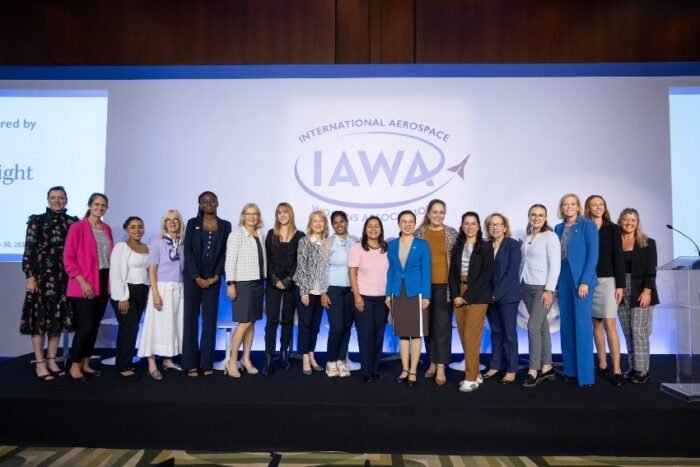
IAWA announces 2025 scholarship recipients name

  United States, 17 December, 2025: The International Aerospace Womens Association (IAWA) has announced the recipients of its 2025 scholarships, awarded to women studying aviation and aerospace at universities around the world. Since launching the program in 2004, IAWA has awarded 131 scholarships to women attending 11 universities totaling $555,000, marking a significant milestone in its long-standing effort to expand opportunities to women across the industry. Since the inception of its Scholarship Program 21 years ago, IAWA has developed valuable relationships with many universities throughout the world to offer scholarships that support the academic and professional development of women pursuing careers in aviation and aerospace. These institutions distinguish their programs by prioritizing academic excellence and advancing gender diversity in the recruitment and retention of both students and faculty. “IAWA’s Scholarship Program goes beyond financial assistance—it’s a catalyst for empowering the next generation of leaders in aviation and aerospace,” says Christine De Gagne, Chair of the IAWA Scholarship Committee and Senior Sales Director at GE Aerospace. “By facilitating meaningful connections, opening doors to opportunities, and fostering personal growth through mentorship, we are building a global network where women excel, lead, and drive innovation. Together, we are shaping a future where women thrive and redefine the boundaries of possibility in aerospace.” 2025 Scholarship Recipients: • Cranfield University, United Kingdom – Purevsuren (Puujee) Sukhbaatar • École Nationale de l’Aviation Civile, France – Kobina Kouakou • Embry-Riddle Aeronautical University, United States – Amanda Hoyt • McGill University, Canada – Victoria Geraldine Alcaraz • Southern Methodist University Dedman School of Law, United States – Grace Nobles • Swinburne University of Technology, Australia – Lakshmi Vadlamoodi • TU Delft, Netherlands – Anna Moscati • Vaughn College of Aeronautics and Technology, United States – Osmary Vega These recipients represent the next generation of leaders poised to make a lasting impact on the industry. They share a passion for aviation and aerospace, have demonstrated resilience in overcoming challenges in their academic and personal lives, and exhibit a strong desire to connect, inspire, and lead. “Receiving the IAWA scholarship is a tremendous honor and has been a meaningful source of encouragement as I take the next steps in my aviation career,” says Sukhbaatar, who recently earned her Master of Science in Air Transport Management from Cranfield University. “It has strengthened my commitment to contributing to the industry and to supporting the next generation of women in aviation and aerospace. I am grateful to be part of such an inspiring global community.” Beyond financial support, the IAWA Scholarship Program is structured to accelerate each recipient’s professional growth. Scholars are invited to attend the IAWA Annual Conference, where they are paired with a board or advisory board member for mentorship and industry exposure. Many continue to engage with IAWA well beyond their award year, speaking at conferences and forums, contributing as subject matter experts, and remaining active members of the organization. This ongoing connection is a hallmark of the program and is part of what makes the IAWA Scholarship a prestigious career-building opportunity rather than a one-time award. “This opportunity is a gateway to mentorship, inspiration, and connection with leaders who are shaping the industry,” says Hoyt, who is pursuing a bachelor’s degree in Aeronautics at Embry-Riddle Aeronautical University. “As I chart my own path toward a fulfilling career in aviation, I am equally committed to lifting others along the way. I hope to grow into a mentor who supports and empowers the next generation of women entering this exciting and rewarding field.”

Training

CPaT announces new contract with Slovakia based AirExplore

Houston, Texas , 17 December 2025: CPaT Global, the provider of distance learning for the airline and aviation industry, has announced their association with Slovakia based AirExplore. CPaT will be providing AirExplore with their all-new Boeing 737NG Aircraft Systems courseware, along with access to their robust General Subjects library and CPaT Invent. “CPaT is proud to partner with AirExplore as they continue to strengthen their pilot training,” said Capt. Greg Darrow, Vice President of Sales. “By incorporating our new Boeing 737NG Aircraft Systems course, AirExplore’s crews will benefit from the latest systems content, paired with highly flexible tools to best support their CBTA training program.” “We are continually enhancing our pilot training standards in alignment with our long-term growth strategy,” said Peter Reisel, Crew Training Manager at AirExplore. “Partnering with CPaT enables us to provide modern, flexible, and highly effective training tools for our crews. We are particularly pleased that CPaT’s courseware supports and aligns with AirExplore’s ongoing CBTA implementation, further strengthening our training capability and supporting the safe and reliable operations our airline is known for.”

Civil Aviation

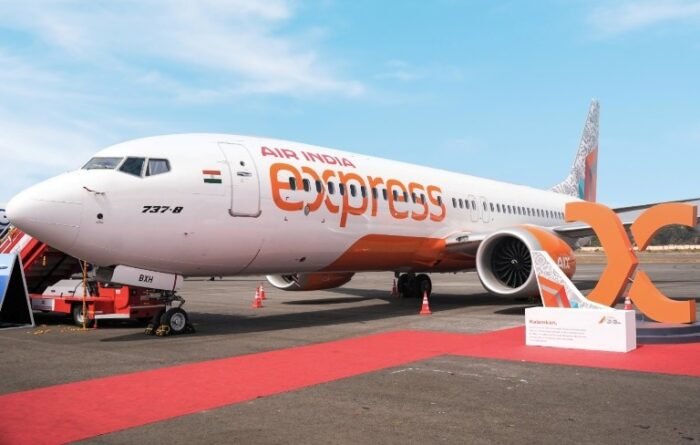
Air India Express announces direct flights between Varanasi and Bangkok

Delhi, 16-December-2025: Strengthening connectivity between Thailand and Uttar Pradesh, Air India Express has announced weekly flights between Varanasi and Bangkok starting February 1, 2026. The new service will offer travellers from Varanasi convenient non-stop connectivity to one of Asia’s most popular leisure destinations. Similarly, it will provide convenient options for tourists from Thailand to visit Varanasi, Sarnath, and other major attractions on the Buddhist circuit. Speaking on the announcement, Aloke Singh, Managing Director, Air India Express, said, “The introduction of this non-stop service to Bangkok provides seamless access to one of India’s most sought-after international destinations. It aligns with our strategic focus on enhancing direct international connectivity from the nation’s rapidly growing non-metro and Tier-II cities. For inbound travellers, the service strengthens access to Varanasi – one of the world’s oldest continually inhabited cities and widely regarded as India’s spiritual capital – while further developing the Buddhist travel circuit for visitors from Thailand. This new connection reflects our credo of expanding the network with meaningful connections, supporting our commitment to deliver greater convenience and value to our guests.” This launch will further build on Air India Express’ presence in Thailand. The airline currently connects Bangkok with Bengaluru, Lucknow, Pune, and Surat, and operates direct flights between Hyderabad and Phuket.

Cargo

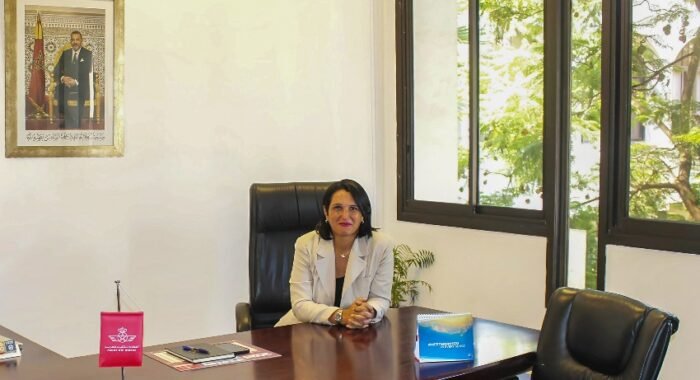
Royal Air Maroc appoints Rita Chraibi as VP Cargo

France, 16 December 2025: Royal Air Maroc has appointed Rita Chraibi as its new VP Cargo, succeeding Yassine Berrada. With nearly 20 years of experience within Royal Air Maroc, Ms. Chraibi has held several key leadership positions that have shaped her strong understanding of the airline’s strategic priorities and operational challenges. In her new role, Rita Chraibi will be responsible for advancing the cargo division’s commercial development strategy through 2037, with a focus on strengthening customer experience and supporting the expansion of the network through new cargo route openings. “I am deeply honored by this appointment and the trust placed in me. The cargo division is a strategic pillar for Royal Air Maroc, and I am committed to driving its development with ambition and determination. Together with our teams, we will continue expanding our network, enhancing our services, and ensuring that customer experience remains at the core of our mission,” says Rita Chraibi. “I would like to warmly congratulate Chraibi on her appointment. Her extensive experience, leadership skills, and deep knowledge of Royal Air Maroc make her the ideal person to continue guiding the cargo division’s expansion. This transition reflects the continuity and strength of a company with 68 years of history, and I am confident she will lead the next phase with success,” says Yassine Berrada.

Training

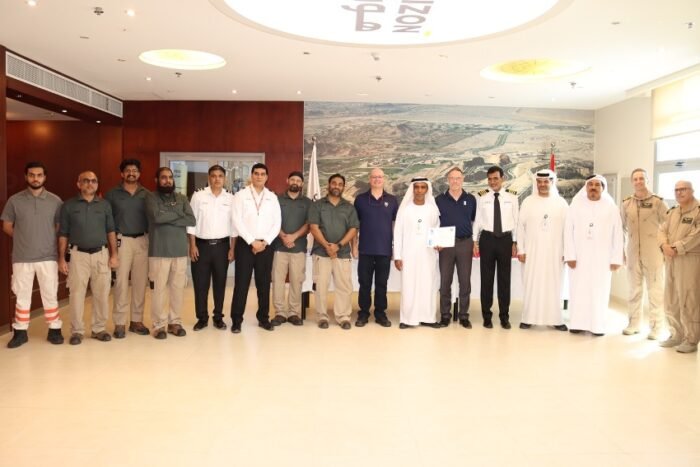
EDGE becomes region’s first authorised service centre for RR engines

Abu Dhabi,16 December, 2025: HORIZON, the Middle East’s largest independent helicopter flight training academy and an entity of EDGE, the leading advanced technology and defence groups, has become the first authorised service centre (ASC) in the region to provide maintenance, repair, and support services to customers for the M250 and RR300 Rolls-Royce engines. The ASC is positioned to facilitate faster turnaround times, enhance service capabilities, and deliver Rolls-Royce-certified quality from HORIZON’s Al Ain-based facilities. This milestone marks a significant contribution to advancing regional and national aerospace capabilities, while further increasing in-country value. A Rolls-Royce certification for HORIZON sets it apart from all other service providers as it guarantees that the academy meets the stringent requirements and premium quality benchmarks to ensure competence, reliability, and performance through exceptional service. This reinforces HORIZON’s position as a premier helicopter training and support provider in the Middle East.

Interviews

“Cybersecurity has always been a critical focus in the Aerospace and Defense industry,”Shobha Kulavil, VP & Industry Platform Leader – A&D, Capgemini

In an exclusive Interview with Aviation World, Shobha Kulavil, Vice President and Industry Platform Leader – Aerospace and Defence, Capgemini talks about the key trends expected to shape the industry in 2026. Excerpts: Q: What’s driving change in the A&D industry and how Capgemini is contributing to this transformation? A: The Aerospace and Defense industry is undergoing a profound transformation driven by several key factors. First and foremost is the growing emphasis on customer experience, where organizations are expected to deliver seamless, personalized, and efficient interactions. Alongside this, agility and speed have become critical to meet evolving market demands and accelerate product and service delivery. Safety remains a non-negotiable priority, while continuous technological innovation across every stage of the product lifecycle is essential to stay competitive. Another major driver is sustainability—companies are striving to go green and achieve net-zero goals, aligning with global environmental commitments. Capgemini plays a pivotal role in enabling this transformation. Through its deep industry expertise and advanced digital solutions, Capgemini helps A&D organizations enhance customer engagement, optimize operations for agility, and embed cutting-edge technologies into their processes. From leveraging data-driven insights to implementing sustainable practices, Capgemini empowers clients to navigate these changes effectively and position themselves for long-term success in an increasingly dynamic landscape. Q: There are few sectors where drone is playing the role of key enabler. Still, there is a room for bigger involvement. What’s your thought on developing the Advanced Drone Capabilities and give impetus to Simulation training? A: Drones have evolved from being primarily defense-focused to becoming indispensable across commercial sectors such as agriculture, media, surveillance, and infrastructure inspection. Their potential, however, remains far from fully realized. To unlock broader applications where human safety and accessibility are challenges—continuous investment in technology is critical. Enhancements in sensor precision, propulsion systems, and battery life will enable longer endurance, extended range, and improved operational efficiency, making drones a true game-changer for high-risk environments. Equally important is advancing simulation-based training to ensure skilled deployment and safety. Leveraging Augmented Reality (AR) and Virtual Reality (VR), immersive training programs can create high-impact experiences that build muscle memory, improve retention, and allow trainees—such as pilots—to practice complex scenarios repeatedly in a risk-free environment. This approach not only enhances competency but also reduces operational risks significantly. Q: Airlines and Airports are investing huge on AI technologies to streamline operations and enhance reliability of their systems. How do you see this growing as well as easing the entire operational process? A: Airline and airport operations are inherently data-heavy and time-sensitive, requiring rapid, concurrent responses across multiple systems. This complexity makes them an ideal environment for AI and machine learning adoption. By leveraging these technologies, operators can automate decision-making, reduce human error, and ensure scalability, critical as the industry experiences unprecedented growth with new airports, expanding fleets, and emerging carriers worldwide. AI-driven solutions can optimize everything from air traffic management to predictive maintenance, baggage handling, and passenger flow management. For example, machine learning models can process vast datasets in real time, enabling proactive interventions that minimize delays and disruptions. In air traffic control, AI can help overcome challenges such as miscommunication caused by language or accent differences, which have historically contributed to operational errors. Intelligent systems can standardize communication, enhance situational awareness, and significantly improve safety. As the aviation ecosystem expands, manual processes alone cannot keep pace. AI not only streamlines operations but also builds resilience, ensuring reliability and efficiency at scale. Q: Tech has its own issues as there have been various incidences related to GPS jamming and spoofing which hints for bigger challenges ahead? How the sector needs to cope with such threats? A: Cybersecurity has always been a critical focus in the Aerospace and Defense industry, but the growing scale and complexity of operations have amplified its importance. Incidents like GPS jamming and spoofing underscore the need for robust, proactive measures to safeguard systems against evolving threats. The approach must start at the design stage, embedding cybersecurity protocols into every layer of product development and extending through the entire lifecycle—from manufacturing to in-service operations. This means implementing advanced encryption, secure communication channels, and real-time threat detection systems to mitigate vulnerabilities before they impact mission-critical functions. Continuous monitoring and rapid response frameworks are essential to counter sophisticated attacks that target navigation, avionics, and operational networks. As digitalization accelerates, cybersecurity cannot remain an afterthought—it must be a foundational element of every innovation, ensuring trust, safety, and operational continuity in an increasingly connected aerospace ecosystem. Q: In recent times, various Indian airports and airlines faced severe technical glitch resulting into managing crisis manually. Instead of easing, is too much dependence on tech over burdening the operational systems? A: Technology is no longer optional—it is a necessity for efficient and scalable operations in aviation. Over time, multiple technologies have been introduced to address specific challenges, but many of these systems have operated in silos. This fragmented approach can create inefficiencies and vulnerabilities, especially during high-pressure situations. The solution is not reducing reliance on technology but integrating and connecting these systems into a unified digital ecosystem. The industry is now moving toward digital continuity and convergence, where technologies across design, operations, and maintenance work seamlessly together. A fully connected environment ensures real-time data flow, predictive insights, and faster decision-making, reducing the risk of operational breakdowns. This approach not only enhances resilience but also minimizes manual intervention during disruptions. Q: What factors will define the next decade of aviation and aerospace sector? A: The next decade will be driven by completely digitally driven systems relying heavily on AI, but simultaneously enriched with built-in business and industry intelligence, best practices, and lessons learning, creating platforms that are forward-looking and predictive in nature. These systems will enable real-time decision-making, optimize operations, and deliver superior customer experiences across the value chain. At the same time, safety, quality, and cybersecurity will remain top priorities, forming the foundation of every innovation. As connectivity expands and digitalization accelerates, safeguarding systems against cyber threats will be critical to maintain trust and

Recent News

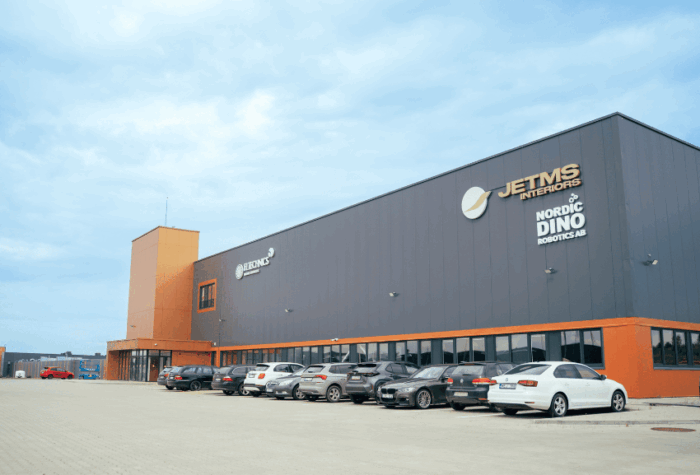
JETMS embarks on strategic transition to support sustainable growth

Kaunas, Lithuania, 12th December 2025: JETMS, provider of aircraft interior solutions and a member of Avia Solutions Group, is undertaking a strategic transition to drive sustainable growth and support its ongoing expansion. As part of this initiative, the company will relocate its production activities from the UK (JETMS Completions Ltd) to Kaunas, Lithuania (JETMS Interiors UAB), effective 1 January 2026. “This strategic transition represents a natural evolution in our growth journey, enabling us to combine the design and engineering expertise of our UK team with world-class manufacturing capabilities in Lithuania. By optimising operations and production, JETMS is well-positioned for long-term sustainable growth and increased value for our customers. We remain fully committed to maintaining the highest standards of quality, reliability, and service excellence,” said Stefan Chevalier, CEO of JETMS. Following the transition, JETMS Completions Ltd (United Kingdom) will continue as the Group’s centre of excellence for design and engineering, innovation and R&D, and business development. JETMS’s UK-based team will remain focused on cabin design, certification, and modification programs, combining engineering precision with innovative design solutions tailored to each aircraft type and mission profile. JETMS Interiors UAB (Lithuania), led by CEO Mindaugas Trapenskis, will serve as the Group’s Production Centre of Excellence, operating from a 65,000 sq. ft. state-of-the-art facility capable of full-scale cabin manufacturing, refurbishment, and installation.

FOREWORD

Dear Reader’s,


The current edition of Aviation World has covered many areas of Aerospace & Defence based on the latest development in the sector. The front cover highlights three different images, first for the Union Civil Aviation Minister ….. who is leading from the front to steer Indian Civil Aviation sector to witness one of the most interesting phases. He is also facing most tumultuous timing due to the ongoing financial stress in the Aviation sector due to ATF rising cost and long airspace restrictions resulting in mounting losses for Indian carriers. Despite of all the ground level challenges,the minister is addressing new things on regular basis which keeps the sector motivated. We have featured many such developmental works in this edition done under his guidance which will be interesting to read.

Our lead story on “ The West War” is another important feature which covers the ground level reality of the challenges faced by the Aviation sector. Its though time ahead and we believe it will pass soon .

There are features on Regional connectivity and MoCA revised rules on the UDAN 2.0 and how its going to transform the flying experience within India.

In this edition, we have covered topics on MRO,Various Policy changes,Sea Plane Operations by SkyHop Aviation, TATA-Airbus joint project on C295 military aircraft under Make In India which is expected to roll out soon and many other interesting contents which will be good to read.

We are covering Farnborough International Airshow 2026 from 20-24July 2026 in London and our next edition will be based on the same event.For features, you may contact our team on priority basis.


Happy Reading!

NEWSLETTER

Aviation World Magazine is India’s premier aviation magazine and has been actively supporting the development of the Indian and global civil aviation sector. We started our journey in year 2015 and its been 12 years now and the response and acceptance is really encouraging. Thanks to all our associates and writers who remained with us in our progressive journey.

We have started 2026 on a very positive note and we look forward to increase our footprints to more locations and induct many more new companies in our campaign.. Do write to us at : editor@aviationworld.in

Disclaimer

The contents published in this website are news covering Aviation, Aerospace and Defence sector. The objective is to provide news in informative form to keep our readers updated of the latest development. We also publish content featured in our print publication Aviation World.We try our best to avoid any factual errors or image displayed here but we ensure immediate corrections to any such thing brought to our notice that might have been published inadvertently. All images and contents are sourced from the relevant organisations media team.

Copyright ©2014 – 2026. AVIATION WORLD. All rights reserved.

Scroll to Top