

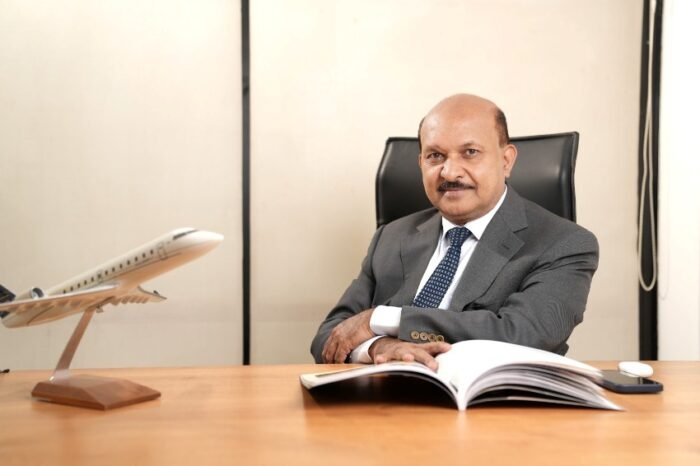
“PIONEER”- 25 YEARS OF AVIATION EXCELLENCE: VINOD SINGEL
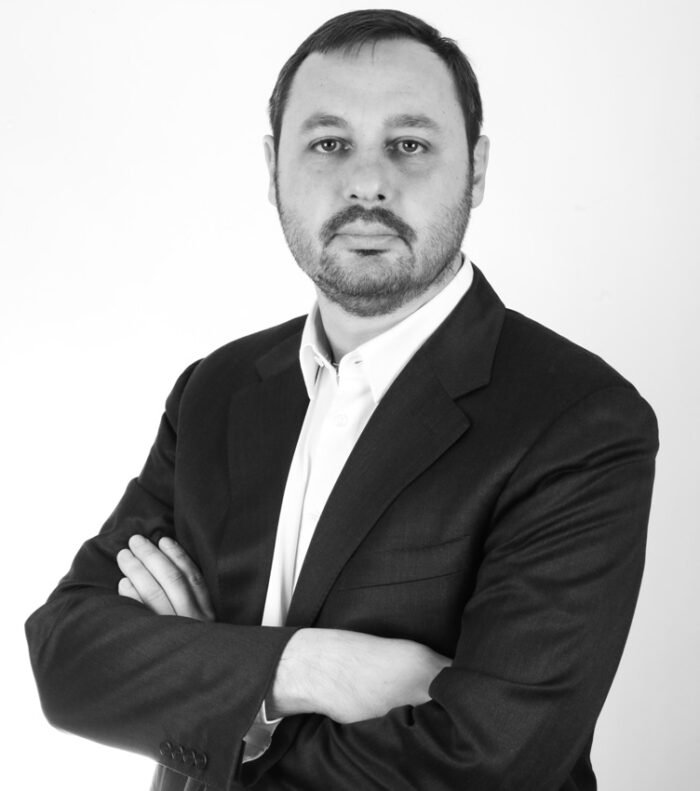
Vinod Singel’s Quarter-Century in Building: The Powerhouse in Aviation Consulting Twenty-five years ago, when business aviation in India was a niche domain for a select few, Vinod Singel envisioned the need for a dedicated aviation consultancy—a then-unheard-of concept. Today, he is the driving force behind the acquisition, induction, and sale of over 68 aircraft. In this exclusive interview with Vishal Kashyap, Managing Editor of Aviation World, Mr. Singel, the visionary Managing Director of AeroSource International Pvt. Ltd., reflects on his remarkable journey, his company’s expansive market reach, and the mantras behind his enduring success. Read on for the excerpts. Q: Congratulation to you on the Silver Jubilee of AeroSource. How do you feel achieving this milestone? A: Thank you. Standing here, thinking about the last twenty-five years, it’s an incredible feeling. I remember when we started, the idea of aviation consulting was almost unheard of. Back then, selling just one plane was a huge deal. To see what AeroSource has grown into today, and the role we’ve played in shaping this industry… that’s what I’m most proud of. This anniversary is a celebration of how far we’ve soared, together. Q: You are one of the seasoned aviation professionals in the business aviation in India? We would like to know a bit about your journey? A: My journey didn’t start with a business plan, but with an overnight decision to just go out and serve customers. A few of my clients encouraged me to start on my own. Once I actually took the plunge, the reality of building a business from scratch set in. First few months were humbling, to say the least. When that first real project came through, it provided the essential capital to operate and, more importantly, validated the business model, giving me the assurance to move forward with full commitment. Q: What are the verticals that AeroSource deals into? Also, do you have global presence as well? A: At heart, we are aviation consultants. Our reputation was built on our deep expertise in buying and selling aircraft, it’s the core of what we do, and it’s where we consistently deliver the greatest value to our clients. We quickly realised that to do that job properly, we couldn’t just be brokers on the sidelines, we decided to become true consultants, hand-holding clients through the entire acquisition including the regulatory permissions and compliances. In fact, we were so committed to this that we opened a liaison office in Delhi specifically to navigate those statutory bodies linked with the aircraft import process. It was the best decision we made. This foundation naturally led to our second business line – Operations & Management. We recognized that for many of our clients, besides owning the asset they desired a seamless, hassle-free day-to-day Operations, maintenance, crew management etc. We, therefore, evolved to offer comprehensive asset management services, providing the ultimate peace of mind by managing day-to-day operational complexities. We also established key partnerships with leading manufacturers like Bombardier and Piaggio. This allows us to offer a select range of aircraft, with local presence. While our roots are firmly in India, our reach is global, with a network of partners and clients that makes AeroSource Group, an international player. Q: What’s the first deal that you always cherish about? A: If I were to point to one deal that defined our early journey, it would be our first comprehensive assignment by the prestigious TVS Group. When I look back on that journey, right from identifying the aircraft, to negotiations and more interestingly navigating DGCA, finance and customs processes, it was the ultimate ordeal. Handling that entire project as a single-man army, was a trial by fire. It taught us more than any business plan ever could. By closing that deal, successfully, we knew our model wasn’t just a theory; it actually worked. Thinking back on it still gives me a real sense of pride. Q: Till date, how many aircraft acquisitions being done under your leadership? Also, any particular type of acquisition that is your favourite one? A: To date, we’ve successfully managed the acquisition, induction and sale of 68 aircraft. A major shift occurred around 2006, as we saw India’s corporate ambitions take flight, translating into a rising demand for mid to long-range business jets that could connect the country to the world. While we deeply respect the engineering of all the brands we work with, our primary commitment isn’t to a manufacturer—it’s the process. Our mission is a seamless induction, delivering an asset to our clients that is fully compliant to Indian and foreign regulations. This focus is our proudest achievement of a flawless record where not even one aircraft that we managed has ever been grounded upon arrival in India by DGCA, Customs, or any other regulatory body. For our clients, that’s more than a statistic; it’s the guarantee of a smooth and uninterrupted operation. Q: What are the factors that you believe has played a key role in your success? A: We believe our success comes from a core decision we made early on: to build a fully integrated, in-house team. While many in our field out source key functions, we’ve invested in bringing every critical step from technical inspection to regulatory compliance under one roof. This means there are no third-party gaps or excuses. When our clients engage us, they get a single, dedicated team accountable for the entire project. It’s a significant investment, but this is the non-negotiable cost of control. It ensures that our clients receive our undiluted expertise, our direct oversight, and our absolute accountability from start to finish. Q: What has been the most challenging phase of your professional life that you would like to share with the industry? Also, how you overcome that? A: You know, one of the biggest professional challenges we ever faced was also one of the best things that happened to us. It was when the DGCA rolled out the eGCA platform, moving everything from paper to digital. It