

Author name: Aviation World

2026

Airports Authority of India observed Yatri Suvidha Diwas

New Delhi, 16th June 2026: The Airports Authority of India (AAI) observed Yatri Suvidha Diwas across the country on 15th June 2026 to highlight its focus on passenger-centric services and showcase its contribution to the development of aviation infrastructure. A wide range of activities was organized at airports across the Northern Region, including Amritsar, Udaipur, Varanasi, Jammu, Dehradun, Srinagar, Leh and other airports to enhance passenger experience and engagement. These activities included the rendition of Vande Mataram, welcoming passengers with tilak, sweets, and flowers, nukkad nataks, cultural performances, painting competitions for children, passenger feedback and suggestion campaigns, tree plantation drives, essay-writing competitions, student visits to airport terminals, health check-up camps for passengers, selfie booths, and the felicitation of housekeeping staff for their contribution to maintaining airport cleanliness and aesthetics. Passengers actively participated in these initiatives, reflecting AAI’s commitment to providing a seamless, inclusive, and customer-friendly travel experience. As part of the observance, various activities were also organized at the Regional Headquarters–Northern Region. The programme commenced with the rendition of Vande Mataram, followed by a plantation drive.  On this occasion contractual housekeeping staff were felicitated for their contribution to maintaining cleanliness and hygiene  A health check-up camp, a health awareness session for officials, desk yoga sessions, and a special health talk for women officials were also conducted to promote wellness and foster a healthy workplace culture. The Airports Authority of India reaffirmed its commitment to passenger-centric services and the continuous enhancement of airport infrastructure, ensuring an enhanced travel experience and operational excellence across all airports.

2026

Air India introduces ‘basic’ fare option on domestic travel

New Delhi, 16th June 2026: Air India has announced the introduction of its new ‘Basic’ fare family, further strengthening its commitment to empowering customers with greater choice and control over how they travel and what they pay for. The introduction of Basic fare builds on Air India’s branded fare families – Value, Classic, and Flex – introduced in 2024 as part of the airline’s effort to simplify and enhance its customer offering. Being trialled on select domestic routes, the Basic fare is available for travel in Economy Class and is designed for travellers who prioritise value. It includes a 15 kg checked baggage allowance, 7 kg cabin baggage allowance, complimentary beverage service (tea/coffee), while complimentary meals are not included. The Basic fare is entirely optional, and travellers continue to have the choice of booking across Air India’s existing fare families – Value, Classic, and Flex – each of which includes complimentary meals and a range of bundled benefits at progressively higher price points. The introduction of Basic fare simply adds another layer of choice, particularly for price-conscious travellers who prefer a more unbundled offering. Travellers booked on Basic fares will have the flexibility to pre-purchase meals up to 24 hours before departure, with options including Vegetarian, Non-Vegetarian, Jain, and Diabetic meals. In the event of a schedule change or reaccommodation, pre-purchased meals will be automatically transferred to the new flight, or fully refunded if unavailable for any reason. The Basic fare is currently available on select domestic routes. Air India will assess customer response and feedback during the pilot phase to guide decisions on the future of the offering.

Drones

Renault Group and Thales to develop a sovereign drone industry in France

Paris, 16th June 2026: Thales and Renault Group (RG) announce the signing of a partnership agreement to jointly develop and industrialise the large-scale production of Thales’ TOUTATIS loitering munition. This announcement follows the unveiling of the innovative 4 TROOP tactical vehicle, presented by the two Groups yesterday. This strategic partnership combines Thales’ cutting-edge defence expertise with Renault Group’s industrial engineering and manufacturing capabilities to establish a sovereign, agile and competitive drone industry in France, fully aligned with the requirements of the wartime economy. Through this collaboration, production of loitering munition could begin as early as 2027, with a manufacturing capacity of 1,000 units per month from the first year, marking a significant ramp-up in France’s industrial capacities in this strategic field. This partnership will help secure a resilient and sovereign supply of munitions for France, while addressing the evolving operational and strategic requirements of the armed forces and strengthening the competitiveness of the national defence industry. Designed for high-intensity conflicts, the TOUTATIS short-range loitering munition provides armed forces with a new operational advantage. Highly versatile, it can be deployed by dismounted soldiers and launched from a variety of platforms (combat vehicles, aircraft and naval platforms). Resistant to electromagnetic jamming and equipped with a mission-configurable warhead, TOUTATIS is capable of neutralising targets such as combat vehicles while ensuring human operators remain in the decision-making loop. Able to operate as part of a drone swarm, TOUTATIS is a scalable system designed to adapt to evolving operational requirements.   “This new strategic partnership between Thales and Renault Group unites the strengths of two French champions in support of France’s sovereign drone industry. Renault Group brings its industrial expertise to the TOUTATIS project, along with the highest standards of automotive manufacturing, to design, industrialise and produce at scale, within shortened timelines and at optimised costs. I am proud of the work accomplished by our teams. It makes a tangible contribution to the initiatives undertaken with the French Ministry of the Armed Forces and strengthens both French and European defence capabilities.” François PROVOST, Chief Executive Officer of Renault Group. “This partnership with Renault Group marks an important milestone in strengthening sovereign, large-scale, world-class capabilities in the field of drones. By combining Thales’ excellence in advanced technologies with Renault Group’s industrial strength, this partnership addresses the needs of the armed forces while meeting the requirements of the wartime economy.” ​ Patrice CAINE, Chairman and Chief Executive Officer of Thales. At Eurosatory, Renault Group and Thales also unveiled 4 TROOP, an innovative tactical vehicle designed to meet the evolving operational requirements of land forces. ​ By integrating drones, sensors, hybrid secure communications and artificial intelligence-enhanced decision-support tools, 4 TROOP provides armed forces with a vehicle offering significantly enhanced operational capabilities.

Top Stories

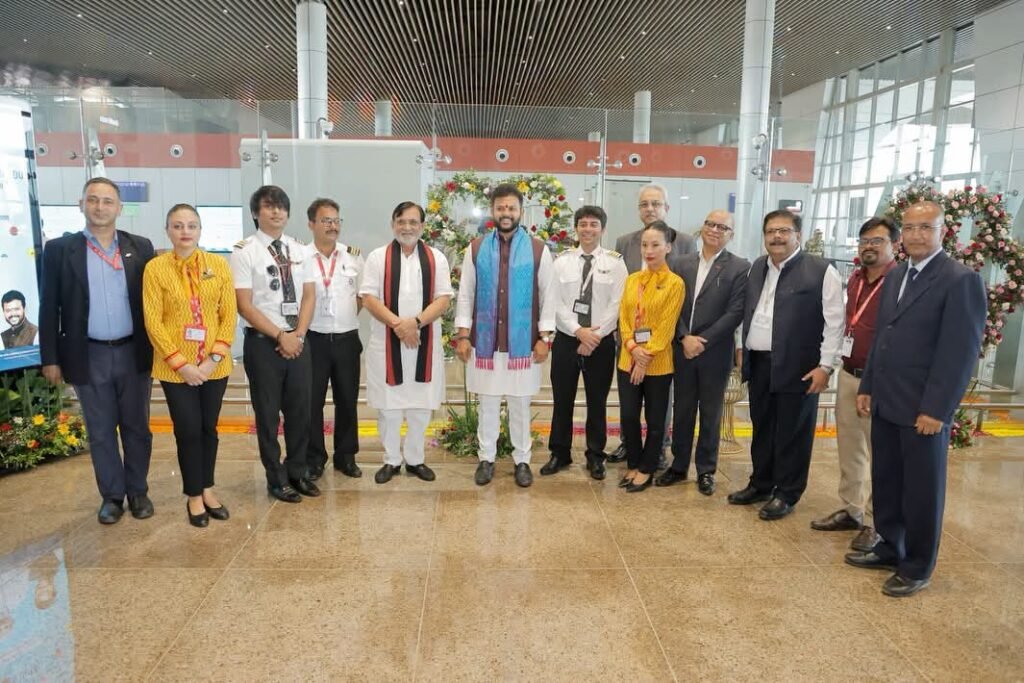
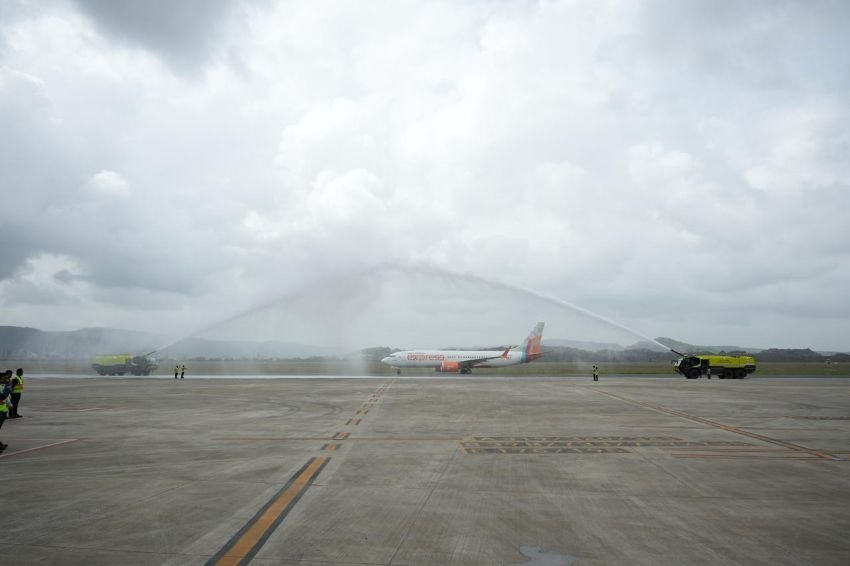
Star Air launches direct flights to Mundra from June 23 onwards

Bengaluru, 16th June 2026: Star Air has announced the launch of scheduled commercial services to Mundra (MDA), Gujarat, marking the airline’s 32nd destination on its expanding domestic network.Operations are set to commence from 23 June 2026, further strengthening Star Air’s commitment to connecting underserved regions of India with major economic and cultural centres. Star Air’s new flight services will link Mundra with Mumbai (BOM), Hindon (Delhi NCR) (HDO), Goa (GOX), Surat (STV), Belagavi (IXG), Bengaluru (BLR), Kolhapur (KLH) and Nanded (NDC), offering greater convenience and reduced travel times for business travellers, professionals, industrial stakeholders, and tourists. The airline will operate five weekly direct flights between Mumbai and Mundra, with departures on Tuesdays, Thursdays, Fridays, Saturdays, and Sundays, ensuring frequent and convenient access for travellers. Additionally, three direct flights per week will link Mundra with Hindon (Delhi NCR), operating on Tuesdays, Thursdays, and Saturdays. Commenting on the launch, Capt. Simran Singh Tiwana, CEO of Star Air, said, “Every new destination added to our network reflects our belief that enhanced connectivity can unlock opportunities and drive inclusive growth. The commencement of our services to Mundra, home to India’s largest private commercial and container port, reinforces Star Air’s commitment to strengthening regional connectivity through reliable, convenient, and affordable air travel. We thank the Ministry of Civil Aviation and the Government of India for their continued support through the UDAN initiative as we continue connecting more communities across India.” Adani Airport Holdings Limited CEO Arun Bansal said, “We welcome the commencement of Star Air’s flights from Mundra to Mumbai and other locations, marking an important milestone in strengthening air connectivity in the Kutch district. This development is expected to boost local tourism, trade, and economic growth. We thank the Ministry of Civil Aviation for its transformative UDAN scheme and look forward to a strong partnership with Star Air, contributing to the continued progress of the Indian aviation sector.” In addition to direct flights, Star Air is enhancing regional connectivity with a range of convenient one-stop connections through Mundra. Passengers can now travel between Mumbai and Hindon (Delhi NCR) with one-stop flights operating every Tuesday, Thursday, and Saturday via Mundra, departing Mumbai at 12:10 pm and arriving in Hindon at 3:45 pm, with the return leg departing Hindon at 4:15 pm and reaching Mumbai at 7:45 pm. Travellers heading between Surat and Goa can benefit from one-stop connections via Mundra from Tuesday through Friday, as well as on Saturdays, offering seamless travel between these cities. For those flying between Bengaluru and Mundra, one-stop flights are available via Goa from Tuesday to Friday, departing Bengaluru at 6:00 am and arriving in Mundra at 9:25 am. Connections from Mundra to Nanded are also offered from Tuesday to Friday via Goa, while return flights from Nanded to Mundra operate on Saturdays. Additional one-stop options include flights linking Kolhapur and Mundra five days a week via Mumbai, and services from Mundra to Belagavi via Mumbai on Tuesdays, Thursdays, Fridays, Saturdays, and Sundays. These thoughtfully designed one-stop routes further strengthen Mundra’s position as a key transit point and gateway to the Kutch region, offering passengers greater flexibility and access across Star Air’s expanding domestic network.

Cargo, Features

The Horizon Is On Fire: West Asia’s Fuel Surge and What Indian Logistics Must Do Next

A frank assessment of where the industry stands and the structural moves that can no longer wait. By  Rajkiran Kanagala, President & Chief Business Officer, TCI When you move roughly 2% of India’s GDP annually, energy shocks are part of regular business transactions, we have to face it,help customers navigate the same, face the reality that’s the bottom line. The Strait of Hormuz crisis has produced what the World Bank calls the largest global energy price surge since 2022, oil up 45%, immediate impact on diesel, petrol and high speed diesel.The road network carrying 65% of India’s goods remains deeply fossil-fuel dependent, and there is no short-term fix for that structural reality. India has brought logistics costs to 7.97% of GDP (as per the DPIIT–NCAER Assessment of Logistics Cost in India*, 2024) down from the long-cited 13–14% through GST, FASTag, and PM Gati Shakti.*One geopolitical event now threatens to reverse years of that progress. The industry’s response cannot be limited to surcharge revisions and cost-cutting. This moment demands structural decisions ones that reduce our dependence on fossil fuels and build resilience into the supply chain architecture itself. Below are the eight priorities the Indian logistics industry must act on. Some are well underway. None can afford to wait. 1.Multimodal Integration – Coastal Shipping as the Strategic Backbone India’s 7,500 km coastline remains one of the most underutilized assets in our logistics network. Coastal shipping costs significantly less per tonne-km than road and is structurally insulated from diesel price movements. The shift to multimodal coordinating road,coastal, and inland water legs as a single integrated flow must move from a stated ambition to an operating model. This is the theme that should define the industry’s strategic direction in the years ahead. 2.Containerization and Rail: Capturing the 31-Tonne Advantage The increase to 31-tonne axle loading per container on Indian Railways is a meaningful structural efficiency, more freight per move on the same energy. Containerization also enables genuine multimodal integration: one box, moving by road, rail, and coastal vessel without repacking. The industry must design supply chains to capture this advantage. The economics are compelling; the constraint is intent and execution. 3.Dedicated Freight Corridors: Deploying Infrastructure Already Built The Eastern and Western Dedicated Freight Corridors represent a generational investment in logistics infrastructure, freight trains running at twice the speed of the shared network, with significantly lower fuel cost per tonne-km. The DFC changes the competitive position of rail as a primary freight mode. The industry must now align logistics park development, warehouse location strategy, and freight flows to maximize corridor utilization. The infrastructure is ready. The urgency to use it is greater than ever. 4.Fleet Electrification: Breaking the Diesel Dependency A logistics sector built entirely on diesel; means as a sector aways victim to fuel price fluctuation and every fuel price revision reinforces that reality. Hence adoption of alternate fuels, especially electric vehicles is an imperative change. Fleet electrification changes this equation fundamentally. Electric trucks eliminate fuel cost volatility on the corridors where they operate, reduce lifecycle operating costs significantly, and position operators well ahead of the carbon pricing that will inevitably follow today’s crisis. The barrier has never been the technology or the long-term economics, both of which are well established. It has been the upfront capital required to transition a fleet, which has kept most operators anchored to diesel by financial inertia rather than commercial logic. This is precisely the gap that risk-sharing financing mechanisms are designed to close, and it is where TCI is taking a concrete position. Through the ZPPP project, a structured risk-sharing facility that distributes the capital burden of EV fleet adoption across stakeholders, TCI is working to make electrification commercially viable at scale for Indian logistics operators. It is the kind of structural enabler that turns a widely acknowledged imperative into an actionable transition. 5.Return Haulage: Closing the Utilization Gap An estimated 30–40% of India’s trucks travel empty on return legs. The entire ecosystem is paying for that inefficiency, invisibly, in every freight rate. The solution real-time digital freight matching across carriers and corridors is technically available. The gap is adoption. Improving vehicle utilization by even a few percentage points delivers a direct reduction in effective fuel cost per tone km across the network. This is one of the highest-return operational priorities in the sector right now. 6.ULIP: Treating Visibility as a Margin Strategy The Unified Logistics Interface Platform integrates data across Indian Railways, NHAI, customs and ports, the digital infrastructure that makes multimodal logistics operationally efficient. Invisible inefficiencies – border delays, documentation errors, port dwell time are estimated to add 3–5% to logistics costs. In a margin-compressed environment, that is not an acceptable waste. ULIP adoption must be treated as a margin recovery priority, not a regulatory obligation. 7.Biofuels: Raising Ambition beyond the Blending Target Brazil’s RenovaBio policy has produced freight corridors running on near-100% biofuels structurally decoupling logistics costs from global crude cycles through feedstock development, blending mandates, and carbon pricing. India is moving faster than most expected. The E20 target was achieved by July 2025, five years ahead of schedule. And on 6 June 2026, India launched E85 an 85% ethanol blend at the pump, with flex-fuel vehicles from Hero MotoCorp and Maruti Suzuki already in the market to receive it. E100 now has formal regulatory recognition. The feedstock diversity is real: sugarcane, broken grains, agricultural waste, bamboo, seaweed, India is not dependent on a single crop. The ambition must now move from the fuel pump to the freight corridor. 100% biofuel capability on specific routes particularly agricultural freight corridors where feedstock is locally available is achievable within this decade. The economics are already visible: E85 is priced approximately ₹20 per litre below petrol. Operators who build feedstock partnerships and infrastructure now will carry a structural cost advantage not a marginal one into the next fuel shock. 8.Truck Payload Reform: A Structural Lever the Industry Must Champion Brazil’s freight sector operates at significantly higher average truck payloads than India producing lower cost per

Top Stories

Noida International Airport starts operations as IndiGo flight touch down from Lucknow

Jewar, Greater Noida, 16th June 2026: The Noida International Airport at Jewar, Greater Noida finally becomes a reality with first aircraft operated by IndiGo touched down from Lucknow in the early morning of 15th June 2026. The aircraft had onboard some special passengers as the citizens who handed over their land to airport officials for developing India’s most awaited and talked about airport. Onboard as the exited first timers both the male and female citizens of Jewar Village seemed happy while giving media bytes sharing their excitement and pride in becoming the privileged first passengers. The airport launch carrier IndiGo has started operations from DXN to many major airports across India. In its earlier press note, the airlines had mentioned that once operational, they will connect over 16 cities across the country through direct flights. These include major metro cities like Bengaluru and Hyderabad, along with important destinations such as Amritsar, Chandigarh, Dharamshala, Jaipur, Lucknow, Navi Mumbai, Pantnagar and Srinagar. Noida International Airport has plans to be developed in three phases. In March 2026, when it received DGCA clearance to start flight operations, it completed first phase of development where it will serve 12 million passengers annually and will have one runway along with departure and arrival buildings. While addressing the media, Christoph Schnellmann, Vice Chairman, Noida International Airport, said, “We are delighted to welcome our first passengers and flight operations. From the outset, our focus has been on creating an airport that combines operational excellence with an outstanding customer experience. We’re excited that IndiGo has launched operations at the airport today, and we look forward to providing passengers with a smooth, hassle-free experience in an airport that reflects the hospitality, culture and character of this region.” The other carrier Akasa Air has also shown interest in operating from NIA soon and its completing its operational readiness to commence services . However, Air India Express which has shown its interest earlier has temporarily halted its program citing reason due to heavy loss incurred by the TATA group airline in the last FY. ( Image Courtesy: IndiGo/ LinkedIn Page) 

2026

AAIB Interim Statement on the Progress of Investigation into the Accident Involving Air India Flight AI-171

Today marks one year since the tragic accident involving Air India Flight AI-171, a Boeing 787-8 aircraft operating from Ahmedabad to London, which occurred shortly after take-off from Sardar Vallabhbhai Patel International Airport, Ahmedabad, on 12 June 2025. On this solemn occasion, the Aircraft Accident Investigation Bureau (AAIB) expresses its deepest condolences to the families and loved ones of all those who lost their lives in the accident. We also acknowledge the enduring pain and loss suffered by all those affected. The AAIB is conducting the investigation in accordance with the Aircraft (Investigation of Accidents and Incidents) Rules, 2017, as amended, and the standards and recommended practices contained in ICAO Annex 13. A Preliminary Report containing factual information was released on 12 July 2025. Over the past year, the investigation team has undertaken an extensive and rigorous examination of all relevant technical, operational, organisational and human factors associated with the accident. This effort has been supported by accredited representatives, technical advisers and subject matter experts from relevant organisations. Significant progress has been made in the examination and analysis of aircraft systems, flight recorder data, engine-related components, maintenance and operational records, and other evidence relevant to the investigation. The evidence gathered and the results of various examinations are currently being analysed in a comprehensive and integrated manner. Additional technical evaluations and specialist examinations, wherever considered necessary, will continue to be undertaken to ensure that all findings and conclusions are supported by verified evidence and sound scientific analysis. The AAIB remains firmly committed to conducting a thorough, independent, objective and evidence-based investigation. The Final Report will be released upon completion of all investigative activities and the requisite international review and consultation processes prescribed under ICAO Annex 13. The sole purpose of an accident investigation is to enhance aviation safety through the identification of lessons and safety recommendations, and not to apportion blame or liability. Accordingly, AAIB urges all stakeholders, including the media and the public, to refrain from speculation or premature conclusions while the investigation remains in progress. The AAIB reaffirms its commitment to maintaining the highest standards of professionalism, transparency and investigative rigour. Every aspect of the accident will be examined with the utmost care and diligence so that the findings and safety recommendations command the confidence of all stakeholders and contribute meaningfully to the continued safety of civil aviation. Disclaimer: This report is published unedited on as shared basis by PIB

Top Stories

Turkish Airlines carried 7.9 million passengers in May 2026

Istanbul, 12 June 2026: Turkish Airlines has announced its passenger and cargo traffic results for May with 2.5% higher passenger capacity in terms of available seat kilometers compared to that of 2025. In May, number of passengers reached 7.9 million and total load factor realized as 84.0%, marking the highest May record in its history. According to May 2026 Traffic Results: The number of carried passengers recorded as 7.9 million. International load factor was 84.0% while domestic load factor was 84.4%. Available seat kilometers (ASK), increased by 2.5% to 23.2 billion during the period of May 2026 from 22.6 billion for the same period of 2025. Cargo/Mail carried during the period of May 2026 increased by 8.6% from May 2025, totaling 203.1 thousand tons. According to the January-May 2026 Traffic Results: The total number of passengers increased by 7.3% to 36.4 million compared to the same period of 2025. Total load factor was recorded 83.6%. International load factor was 83.5% while domestic load factor was 84.3%. Available seat kilometers (ASK) increased by 6.5% to 112.1 billion from 105.3 billion for the same period of 2025. Cargo/Mail carried during this period increased by 13.5% to 954.6 thousand tons from 840.7thousand tons in the same period of 2025. By the end of May 2026, the number of aircraft in the fleet was 542. Traffic results are consolidated and include Turkish Airlines main brand and AJet data.

Top Stories

SriLankan Airlines expands passenger connectivity across Saudi Arabia and Sri Lanka

New Delhi,12 June 2026: SriLankan Airlines has announced strategic partnerships with Saudia (SV) and Flynas (XY), further strengthening air travel links between the Kingdom of Saudi Arabia and Sri Lanka. This collaboration significantly expands SriLankan Airlines’ network reach, enabling travellers to access a wider range of destinations through convenient domestic and international connections. Under this arrangement, Saudia provides access to seven international and thirteen domestic destinations, while Flynas contributes an additional eight international and six domestic destinations, offering passengers greater travel flexibility and improved accessibility across the Kingdom. Through Saudia’s network, passengers can connect from destinations including Amman, Abu Dhabi, Bahrain, Cairo, Dubai, Kuwait City and Los Angeles, together with key domestic points such as Jeddah, Abha, Madinah and Tabuk, among others across Saudi Arabia. Flynas further extends the network with international services from Addis Ababa, Karachi, Giza, Tashkent and Sohag, alongside domestic connectivity from cities including Jizan, Najran, Dammam and Jeddah. Passengers travelling from across Saudi Arabia can now connect seamlessly via Riyadh and Dammam onto SriLankan Airlines’ daily services to Colombo, with onward access to destinations throughout the airline’s international network. SriLankan Airlines currently operates daily flights from both Riyadh and Dammam to Colombo, catering to growing demand for business, leisure and visiting-friends-and-relatives (VFR) travel between the two countries. Dimuthu Tennakoon, Head of Commercial, said, “This partnership represents an important step in expanding SriLankan Airlines’ presence across Saudi Arabia while strengthening links to key destinations in the Middle East, Africa and North America. Working together with Saudia and Flynas enables us to offer customers smoother connections from multiple regional and international destinations into Sri Lanka and beyond.” Commenting on the partnership, Thusitha Wickramasinghe, Manager Saudi Arabia, stated,“We are delighted to partner with Saudia and Flynas to further strengthen air travel links between Saudi Arabia and Sri Lanka. This collaboration offers passengers greater convenience, expanded travel options and seamless journeys across our combined networks, while enhancing the overall travel experience through improved network integration.” SriLankan Airlines connects passengers to 131 destinations across 63 countries through its own services and codeshare partnerships, while operating direct services to 34 destinations worldwide. Its network spans Europe, Australia, the Middle East, the Indian Subcontinent, Southeast Asia and the Far East. The airline operates an all-Airbus fleet comprising state-of-the-art A330-200/300 and A320/321 aircraft.

2026

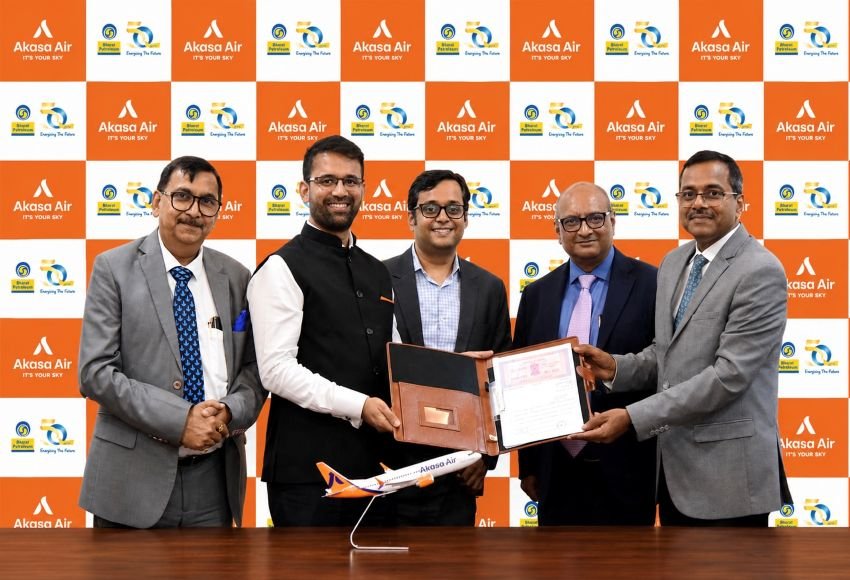
Akasa Air launches Akasa SkyCadet pilot training programme

Delhi, June 11, 2026: Akasa Air has announced the launch of Akasa SkyCadet – a pilot training programme designed to develop future-ready commercial pilots through comprehensive aviation training aligned with DGCA regulations and the airline’s global operational standards. This initiative underscores the airline’s continued investment in talent development, operational excellence, and building a future-ready pipeline of commercial pilots in the fast-growing aviation industry. The programme has been developed in collaboration with approved Flight Training Organisations namely: Skynex Aero and Dunes Aviation Academy. The programme is designed to nurture aspiring pilots by combining comprehensive aviation education, flight training, and airline-aligned preparedness. Commenting on the launch, Belson Coutinho, Co-Founder and Chief Operating Officer, Akasa Air said, “India’s aviation industry is entering a phase of sustained long-term growth, and building a future-ready workforce will be critical to supporting this expansion responsibly. At Akasa Air, we have always believed that our people will be the cornerstone of our success. The Akasa SkyCadet Programme reflects our commitment to investing in talent from the grassroots level and creating structured pathways for aspiring pilots to build meaningful careers in aviation. Beyond technical capability, the programme is designed to instil a strong culture of safety, operational excellence, discipline, and service orientation – the values that define Akasa Air. As we continue to scale our operations, we are focused on nurturing skilled professionals who can grow with us and contribute to the future of Indian aviation.” The programme provides an integrated and progressive learning pathway through three distinct phases: Ground School: A comprehensive theoretical curriculum covering air regulations, navigation, meteorology, aircraft technical knowledge, and human performance to prepare cadets for DGCA examinations and subsequent flight training. Commercial Pilot License (CPL) Flight Training: Structured dual and solo flying training focused on building operational proficiency through navigation, instrument, and cross-country flying in accordance with DGCA and ICAO standards. Type Rating on Boeing 737 MAX: Advanced simulator and aircraft systems training designed to prepare cadets for commercial jet operations on the Boeing 737 MAX fleet.

FOREWORD

Dear Readers,


Welcome to the latest edition of Aviation World. This is an incredibly significant issue for us, perfectly timed to align with several prominent aviation events unfolding across the globe.


Chief among them is the Farnborough International Airshow, taking place from July 20th to 24th, 2026, in Hampshire, United Kingdom. Ranked as one of the world’s premier events for aviation, aerospace, and defense, this year’s airshow arrives at a crucial moment. Against a backdrop of geopolitical turbulence, Farnborough provides an invaluable platform to engage with global leaders and gain firsthand perspectives on the future of the industry. Inside, you will find our comprehensive curtain-raiser report focusing on the show’s core themes, as well as the highly anticipated static and aerobatic aircraft displays.


On our front cover, we are proud to feature Capt. Vaibhav Goutham Suresh, Director of the School of Aviation, Logistics and Tourism Management (SALTM) at Galgotias University. In an exclusive interview, Capt. Suresh highlights how SALTM bridges the gap between academia and the runway, delivering a comprehensive curriculum that ensures graduates are industry-ready from day one. Complementing this, our special feature on SALTM dives deeper into how the institution maintains world-class academic standards and a cutting-edge learning environment.


We are also privileged to bring you exclusive insights from a stellar lineup of industry trailblazers in this edition, including:

  • Robin Glover-Faure, Chief Customer Officer of Acron Aviation
  • Karim Makhlouf, CCO of Royal Jordanian Airlines
  • Pallavi Joshi & Vimal Priya, the leadership powerhouse behind AirFleet Managers &Aviatrics Global
  • Wg. Cdr. Prem Kumar Garg (Retd.), CEO of IndiaOne Air

Each shares a detailed perspective on driving innovation, navigating current market dynamics, and establishing progressive frontiers within their respective sectors.


Beyond these highlights, this issue is packed with curated features and analytical pieces designed to keep you informed and inspired.


Finally, we extend our heartfelt gratitude to our esteemed advertisers and partners. Your unwavering support empowers us in our ongoing endeavor to make Aviation World a truly world-class publication with global reach and recognition.


Happy Reading!


The Editorial Team


Aviation World

NEWSLETTER

Aviation World Magazine is India’s premier aviation magazine and has been actively supporting the development of the Indian and global civil aviation sector. We started our journey in year 2015 and its been 12 years now and the response and acceptance is really encouraging. Thanks to all our associates and writers who remained with us in our progressive journey.

We have started 2026 on a very positive note and we look forward to increase our footprints to more locations and induct many more new companies in our campaign.. Do write to us at : editor@aviationworld.in

Disclaimer

The contents published in this website are news covering Aviation, Aerospace and Defence sector. The objective is to provide news in informative form to keep our readers updated of the latest development. We also publish content featured in our print publication Aviation World.We try our best to avoid any factual errors or image displayed here but we ensure immediate corrections to any such thing brought to our notice that might have been published inadvertently. All images and contents are sourced from the relevant organisations media team.

Copyright ©2014 – 2026. AVIATION WORLD. All rights reserved.

Scroll to Top