Author name: Aviation World

2026

Progress of Ministry of Civil Aviation under Special Campaign 5.0

New Delhi, 17th September 2026: The Civil Aviation Ministry has recorded substantial operational progress across all parameters, incorporating Swachhata as a way of life. The Minister conducted continuous digital file reviews and ministerial oversight of citizen grievances via AirSewa and CPGRAMS portals. The Passenger Assistance Control Room was also operationalized by Shri Ram Mohan Naidu on 10.12.2025 for realtime monitoring of aviation operations and swift redressal of passenger grievances, thereby institutionalizing a passenger first governance approach of the government. The Ministry of Civil Aviation actively participated in the Special Campaign for Disposal of Pending Matters (SCDPM) 5.0 during the period of 1st November, 2025 to 31st August, 2026. Significant Progress achieved: A total of 6,803 physical files and 1,316 e-files have been reviewed, out of which 570 e-files were successfully closed. A total of 1,628 physical files have been successfully weeded out. A total of 1,166 cleanliness campaigns have successfully been conducted. Approximately 18,308 sq. ft. of office space has been freed through disposal of scrap, e-waste and redundant files. A revenue of Rs. 41,20,582 has been generated as a result of scrap disposal. Over 7,250 Public Grievances and 2,100 grievance appeals have been successfully resolved during the period, achieving a grievance redressal rate of approximately 99%. The Ministry actively cleared pending inter-ministerial communications, disposing of 41 MP References, 20 PMO References, 3 IMC References and 14 State Government References in the said period. The Ministry continues its unwavering commitment to fostering a positive, responsive, and clutter-free workplace, keeping passenger centricity at its core. (News Source: PIB)

Interview

CAE’s Vision for APAC Aviation: Bridging the Talent Gap Through Modernized Pilot Training

As the Asia-Pacific region faces an unprecedented surge in air travel and fleet expansion, the demand for highly skilled pilots and robust operational readiness has never been higher. At the Asia Pacific Aviation Training Summit (APATS) in Bangkok, Vishal Kashyap, Managing Editor of Aviation World caught up with Simon Azar, Vice President Civil Aviation, Asia Pacific at CAE, to discuss how the global leader in flight simulation and pilot training is addressing these challenges. In this exclusive interview, Azar shares insights on scaling training capacity across Asia-Pacific, leveraging next-generation simulation technologies, and ensuring safety standards remain uncompromised amidst the region’s rapid growth. Excerpts… AW: With rapid fleet expansions across India and Southeast Asia driving demand for local support, how is CAE strategically evolving its regional footprint to balance global expertise with localised training capacity? A: India is a very important market for us, as we have been operating in India since 2013 through our training network in partnership with InterGlobe. Recently, we inaugurated our fourth training center in Mumbai, where the first A320 simulator is already operational with the second one is coming into operation as we speak. CAE is nearly an 80-year-old training company and our expertise lies in simulation &training, including the development and delivery of advanced pilot training programs. We are bringing all of this to India, both in terms of our footprint, which we continue to expand to keep up with our customers’ growth, and in terms of training expertise as-we work with different stakeholders to put in place the best training programs for both, airlines and new pilots entering the industry. AW:As civil aviation authorities across the region accelerate their adoption of Competency-Based Training and Assessment (CBTA), how is this measurable shift redefining pilot proficiency compared to the hour-building models? A: The Competency-Based Training as the name says, is really a framework that’s built around pilot’s  behavioural competencies rather than assessing tasks and performance. We believe t it it’s a program that is better suited to delivering well-rounded pilots. This is significant in market like India where there are so many new pilots coming into the ecosystem. When a pilot enters training, the quality of the program is very important and Competency-Based Training and Assessment is what we believe to be a significant step forward for Indian aviation and for the industry globally. Program. This is an approach that we have adopted across the region with that we have adopted across the region with several customers, and we continue to see strong interest in its ability to better prepare pilots for real-world operational environments. AW:With pilot talent remaining a bottleneck for expanding Asian carriers, how is CAE helping airlines scale up without compromising training and safety standards? A: We are working closely with a range of flight schools and airline partners to help develop the next generation of pilots and support their transition onto aircraft platforms such as the Airbus A320 and Boeing 737. It’s very important for us to have these advanced training programs and curricul to make sure that we’re delivering the best possible workforce to our airline partners. We have a large network of instructors, both in the region and in India, which is essential for training more aviation professionals while maintaining the quality needed to uphold safety standards. At CAE, that’s what we do. We are here to prepare people for the moments that matter. Whether its pilots, or cabin crew, or technicians, that’s essentially our reason and purpose and we’re doing that very actively in India to help the ecosystem scale up. Of course, we know airlines are preparing to take delivery of a large number of new aircraft. At the same time, India is continuing to invest in aviation infrastructure. The industry needs people to keep up with that growth, and that’s where we come in. AW:How is CAE engaging with the Indian DGCA and local carriers to scale MPL adoption? Also, is there any scope where India is finally ready to embrace MPL to fast-track its pilot pipeline? A: MPL is a program that we have been delivering for a long time. It’s an approach we believe is highly effective for delivering the right competencies for cadets coming into the workplace. In India, where there is a large number of new pilots required to come into the industry, we believe that MPL is a program that’s more adaptive and more effective to prepare the workforce of tomorrow, using training that is closely aligned with an airline’s operating environment and procedures. That is why we firmly believe in it. We have a framework that’s adaptable to MPL and instructors who are well-trained for it. Our curriculum is well-designed and we have a lot of data from past programs, so we’re able to continuously adapt it to make it even more effective. That’s what we want to bring to India to help scale the talent of its aviation ecosystem, which needs to grow to at an accelerated rate sustain everything that’s happening with the aircraft deliveries and so on. AW:Have you discussed this program with the existing clients like IndiGo or Air India? Are there any positive sign-off responses or are they still in the thinking process? A: No, I think there’s a very positive response from the airlines. It would need to be approved by the DGCA and there many constructive conversations taking place between all of the different stakeholders. CAE brings a lot of experience in MPL as we’ve been delivering this program in Europe and Asia for many years and at scale. A: Currently, we bring this experience and perspective to the table which we share with our airline partners and authorities, and together, a decision will be made on its place in Indian aviation. AW:Any timeline that you expect? A: No, it’s difficult to say in terms of timelines. I think the conversations are active and constructive, but difficult to say what the timeline would be. AW:As low-cost and regional carriers in Asia-Pacific modernize with

2026

ACIA Aero Leasing Delivers ATR72-600 to Air Nostrum

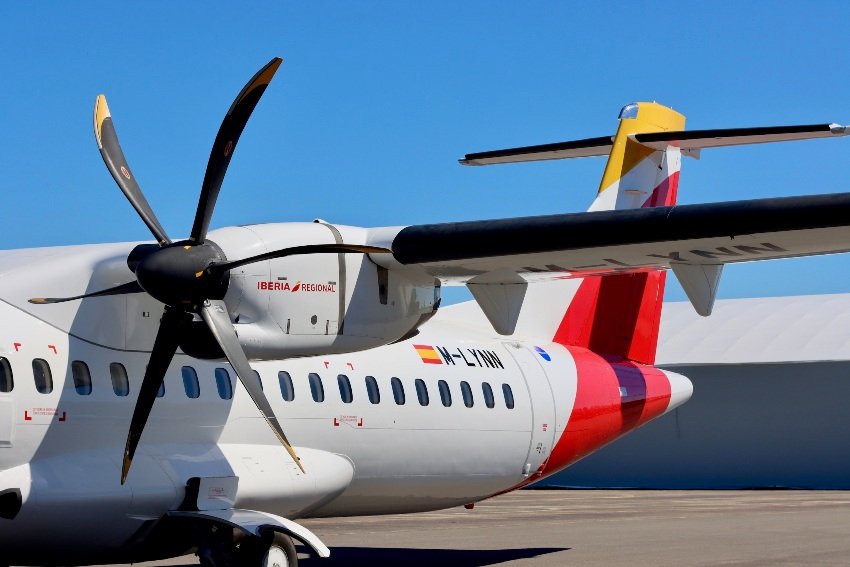
Dublin, Ireland – September 16, 2026 : ACIA Aero Leasing (“ACIA”), provider of regional aircraft leasing and lease management services has announced that they have delivered an ATR 72-600 passenger aircraft (MSN1099) in a 72-seat configuration on lease to Air Nostrum. The transaction is ACIA’s first with Air Nostrum and further broadens ACIA’s customer base within Europe. “We’re delighted to welcome Air Nostrum as our newest customer as we continue to diversify the lessee portfolio. Air Nostrum are one of the leading regional operators in Europe, having been the trusted partners for the Iberia regional network for over 30 years”, stated Mick Mooney, ACIA’s Chief Executive Officer. Commenting on the announcement, Carlos Bertomeu, President of Air Nostrum, said: “We are delighted to begin working with ACIA Aero Leasing through this agreement, which represents an important step in the continued strengthening of our regional fleet. The addition of this aircraft will enhance our operational capabilities and support our commitment to delivering the high levels of service, reliability and efficiency that our customers expect from Air Nostrum.” The aircraft is expected to enter service immediately.

Tourism

Mohammed bin Rashid visits Arabian Travel Market 2026

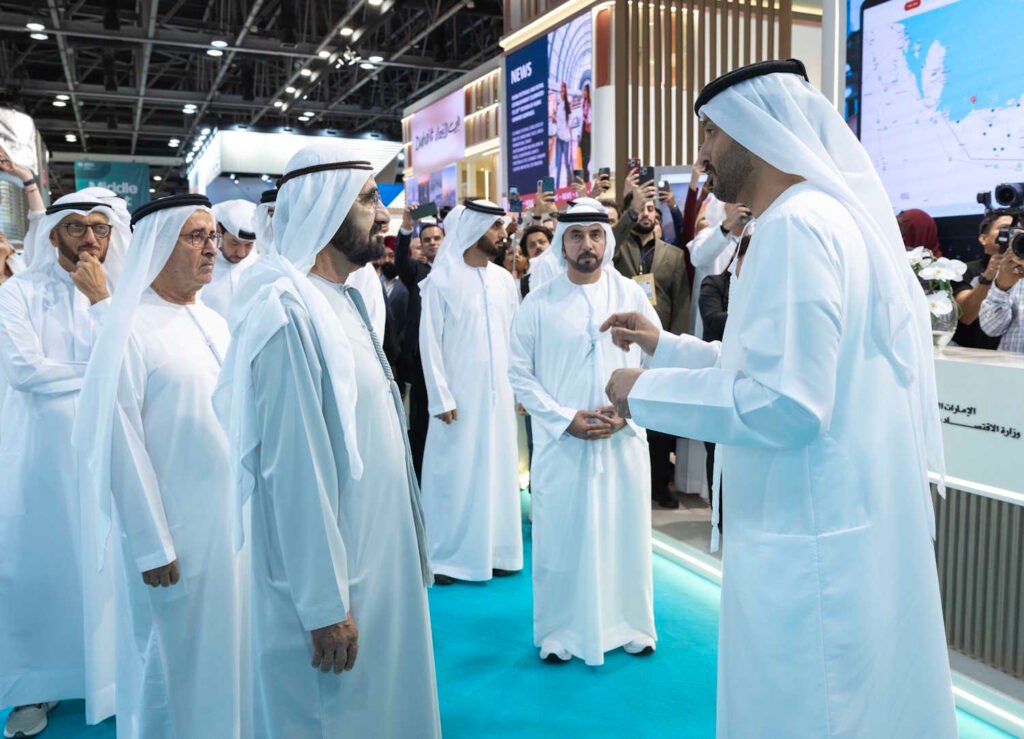
Dubai, 15th September 2026: Mohammed bin Rashid quted, ” The UAE continues to strengthen its position as a global hub for travel and tourism, while Dubai continues to reinforce its standing as a leading destination shaping the future of the sector “Arabian Travel Market reflects Dubai’s leading position and its ability to drive transformation across the global tourism sector.” Government of Dubai Media Office in its press release has mentioned that His Highness Sheikh Mohammed bin Rashid Al Maktoum, Vice President and Prime Minister of the UAE and Ruler of Dubai, visited the 33rd edition of Arabian Travel Market (ATM), being held at the Dubai World Trade Centre until 17 September. The event brings together leading travel and tourism organisations, companies and industry professionals from the UAE, the region and across the world. His Highness was accompanied during the visit by His Highness Sheikh Ahmed bin Mohammed bin Rashid Al Maktoum, Second Deputy Ruler of Dubai, and a number of senior officials. During a tour of the exhibition, His Highness reviewed the latest solutions, innovations and trends shaping the future of global travel and tourism. His Highness was briefed by His Excellency Helal Saeed Almarri, Director General of the Dubai Department of Economy and Tourism and Director General of the Dubai World Trade Centre Authority, on key highlights of this year’s edition and ATM’s role as a global platform for strengthening partnerships, exchanging expertise and exploring new opportunities for growth across the sector. His Highness welcomed participants in this year’s edition of Arabian Travel Market, highlighting the event’s role in reinforcing Dubai’s position as a global platform for the travel and tourism industry. He said the event creates new opportunities for collaboration, knowledge exchange and partnerships that support the sector’s continued growth and development. His Highness also praised the strong international participation, which reflects growing confidence in Dubai’s position and its ability to drive innovation and development across the global travel and tourism industry. His Highness Sheikh Mohammed bin Rashid said: “The UAE continues to strengthen its position as a global hub for travel and tourism, while Dubai continues to reinforce its standing as a leading destination shaping the future of the sector, guided by a clear vision centred on innovation, openness, strong partnerships and exceptional visitor experiences.” His Highness added: “Arabian Travel Market reflects the leading position that the UAE and Dubai have established as a global platform bringing together industry leaders, decision-makers, investors and innovators to explore new growth opportunities and enhance the competitiveness of the travel and tourism sector.” During the tour, His Highness visited a number of national and international pavilions and exhibitor stands, including those of Kuwait Airways, Bahrain, Qatar Airways, Qatar, the Dubai Department of Economy and Tourism, the Ministry of Economy and Tourism, Abu Dhabi, Etihad Airways and Spain. His Highness also visited the stands of leading international hospitality groups, including Minor Hotels, STORY Hospitality, Marriott Bonvoy and IHG Hotels & Resorts. His Highness reviewed initiatives, services and innovative solutions showcased by exhibitors, as well as developments transforming the travel industry, particularly advances in technology and artificial intelligence, digital transformation, sustainable tourism experiences and smart mobility. Held under the theme ‘Travel 2040: Driving New Frontiers Through Innovation and Technology’, Arabian Travel Market 2026 explores the major shifts reshaping global tourism, including artificial intelligence and digital transformation, evolving traveller expectations, destination resilience, smart mobility and sustainable long-term growth. The 33rd edition brings together destinations, tourism authorities, airlines, hotels, travel technology companies, service providers, industry professionals and decision-makers from around the world. The event provides an international platform for building business relationships, exchanging knowledge and exploring new opportunities for growth across the travel and tourism sector. The conference programme features sessions and discussions with tourism leaders, policymakers, technology experts and industry specialists examining the trends, challenges and opportunities expected to influence the future of travel and tourism. Arabian Travel Market continues to consolidate its position as the Middle East’s leading international travel and tourism event, connecting the global travel community to build partnerships, exchange knowledge, advance innovation and explore new opportunities for sustainable growth.

2026

WestJet Appoints AVIAREPS as Cargo GSA in India

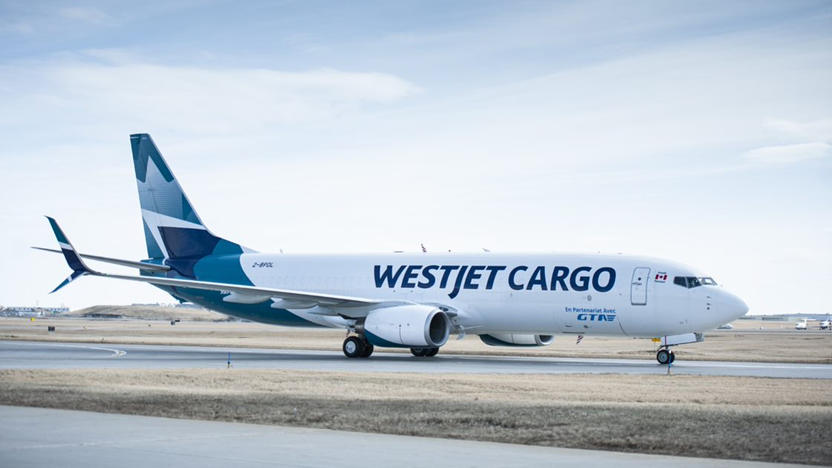
New Delhi,  September 15th, 2026 : AVIAREPS has been appointed as General Sales Agent (GSA) for WestJet Cargo in India, taking on nationwide responsibility for supporting the carrier’s cargo sales, customer engagement and market development across the country. Under the new appointment, AVIAREPS will represent WestJet Cargo, the cargo business of Canadian airline WestJet, across India. With its pan-India presence and understanding of the local aviation and cargo landscape, AVIAREPS will support WestJet Cargo in strengthening its engagement with freight forwarders, cargo agents and other industry stakeholders across the market. The appointment brings together AVIAREPS’ local market expertise and nationwide presence with WestJet Cargo’s international cargo offering, creating a dedicated platform for greater engagement with the Indian cargo community. AVIAREPS will focus on developing commercial relationships, supporting cargo sales and identifying opportunities across the Indian market. Frederick Overton, Global Head of Cargo, AVIAREPS: “We are delighted to support WestJet Cargo as its Cargo GSA in India. Our pan-India presence, local market expertise and established relationships across the aviation and cargo ecosystem position us well to support WestJet Cargo’s commercial objectives in the country. We look forward to working closely with customers and industry partners across India and contributing to the continued development of WestJet Cargo’s business in this market.”  As part of WestJet Cargo’s wider GSA structure in India, Airline Services International (ASI) will coordinate with Rainbow Aviation Private Limited to focus on specific regional cargo markets, including Maharashtra, Gujarat, Telangana and Goa.

Top Stories

flydubai marks 100-aircraft fleet milestone, announces new cabin retrofit programme

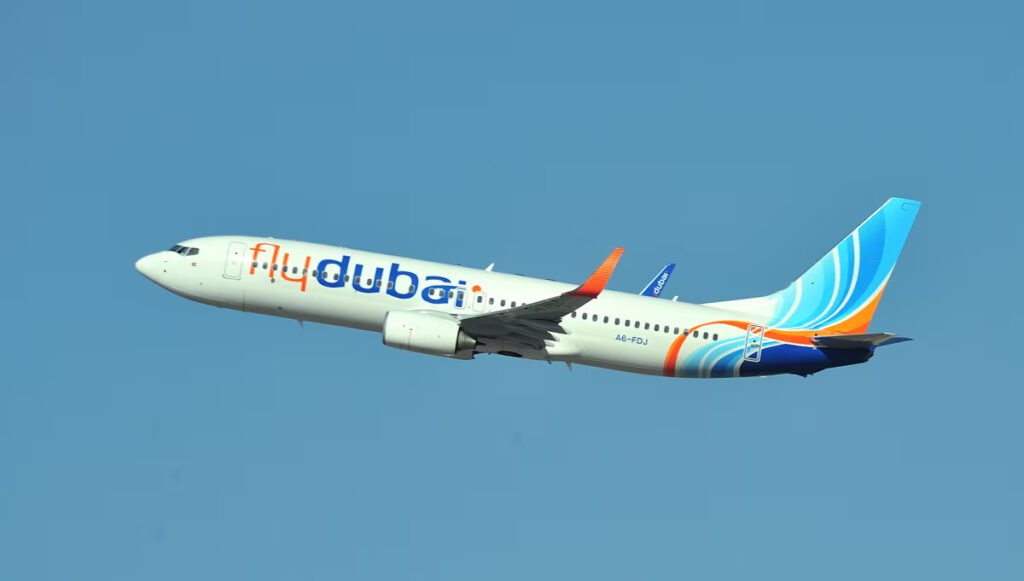
Dubai, 15 September 2026: flydubai has announced the next phase of its growth strategy, expanding its fleet beyond 100 aircraft and launching a new cabin retrofit programme in September.The airline will take delivery of 11 additional aircraft in 2026, including seven Boeing 737-9 MAX and four Boeing 737-8 MAX, marking a significant step in its ongoing expansion. The planned deliveries are part of flydubai’s long-term fleet modernisation plan, replacing older aircraft while offering the airline greater flexibility to expand its network, add capacity on high-demand routes and unlock future growth opportunities. The introduction of newer-generation aircraft will also reinforce flydubai’s commitment to operating a younger, more fuel-efficient fleet, while offering customers a more consistent and refined onboard experience. Ghaith Al Ghaith, Chief Executive Officer at flydubai, said: “Growing our fleet beyond 100 aircraft is a significant milestone for flydubai and shows how far we have come. These deliveries are central to our long-term fleet strategy, providing the capacity and flexibility to support our growing operations while operating one of the youngest and most fuel-efficient fleets in the skies. Our investment does not stop with the new aircraft. We remain focused on enhancing our existing fleet, ensuring our customers enjoy a seamless and elevated experience when they travel with us. Our new retrofit programme marks another significant investment in our product offering and reflects our commitment to continuously enhancing the flydubai onboard experience.” flydubai’s Boeing 737-9 MAX aircraft feature 16 Business Class and 156 Economy Class seats, compared with 10 Business Class seats on some Boeing 737-8 MAX aircraft.This added premium capacity allows the airline to meet strong demand for Business Class on key international routes, capture more high-yield traffic and deploy capacity more efficiently across existing flight frequencies. In addition to expanding its fleet, flydubai will roll out the next phase of its cabin retrofit programme from September, further enhancing the onboard experience across its Boeing 737 MAX fleet. Over the next 12 months, a total of 21 aircraft currently fitted with recliner Business Class seats will be retrofitted with flydubai’s signature lie-flat seats, offering passengers greater comfort throughout their flight. The programme will also see existing overhead bins replaced with Boeing’s larger Space Bins, expanding cabin baggage capacity and ensuring a smoother boarding experience for passengers. The upgraded bins can accommodate up to six standard-sized bags, compared with four in a standard overhead bin. The new programme builds on flydubai’s previous multimillion-dollar retrofit investment, which delivered a full cabin refresh across the airline’s Next-Generation Boeing 737-800 fleet, including the introduction of lie-flat Business Class seats, new Economy Class seats and inflight entertainment. Together, these enhancements represent a major step towards greater product consistency across the carrier’s growing fleet. As new aircraft join the fleet and existing aircraft are upgraded, flydubai customers will enjoy a more comfortable and convenient journey both in the air and on the ground, underscoring the airline’s commitment to elevating the customer experience as it continues to expand its fleet and network. The fleet expansion and retrofit programme are part of flydubai’s wider investment in strengthening its future capabilities, including its onboard product, technology, training and engineering infrastructure, positioning the carrier for its next phase of growth and advancing Dubai’s development as a leading global hub for aviation, trade and tourism.  

Airports

SFO Appoints Eva Cheong as New Chief Operating Officer

SAN FRANCISCO, 15th September 2026: The San Francisco International Airport (SFO) has appointed Eva Cheong as the new Chief Operating Officer for the Airport. In this role, Cheong will lead airside and landside operations, AirTrain, safety and security, the Airport Integrated Operations Center and 911 dispatch center, guest care, facilities, and the SFO Museum. Cheong will be the first female Chief Operating Officer in SFO history. “I am excited to announce Eva Cheong as SFO’s new Chief Operating Officer,” said Airport Director Mike Nakornkhet. “Eva brings a deep operational expertise in our industry, combined with a genuine commitment to our people and our mission, and I look forward to her contributions in this role.” Cheong joined SFO in 2012 following a lengthy career with Delta Airlines, where she held a variety of operational leadership roles, including Field Director for the California Region, with responsibility for seven airports across the state, including all three Bay Area airports.

2026

BLR airport introduces special assistance zone at Terminal 1

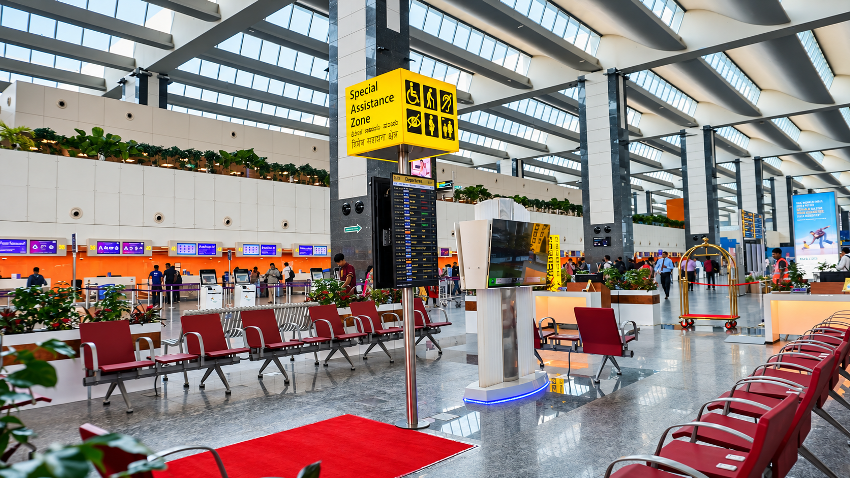
Bengaluru, September 15, 2026: Kempegowda International Airport Bengaluru (BLR Airport) has introduced a Special Assistance Zone at Terminal 1, a dedicated facility providing end-to-end support for passengers who may require additional assistance during their airport journey. This includes Persons with Reduced Mobility (PRM), Persons with Disabilities (PwD), senior citizens, pregnant women, unaccompanied minors and other passengers requiring special assistance. The zone is designed to streamline the initial stages of the passenger journey by bringing check-in, baggage assistance and waiting facilities together within one dedicated space, before security screening. With direct access from Priority Gate 5A, it features two dedicated assistance desks staffed by airline partners, with a wheelchair-friendly design to facilitate check-in. Once passengers arrive at the assistance desk, their baggage is collected and transported by staff to the baggage belt, eliminating the need to navigate the baggage drop process independently. The space also offers 20 accessible seats with charging points, with additional seating outside for accompanying family members and caretakers. Flight Information Display System (FIDS) screens provide journey updates, enabling passengers to wait comfortably. “For us, accessibility is fundamentally about understanding the different needs of our passengers and designing the airport experience around them. The introduction of the Special Assistance Zone reflects this thinking, bringing greater ease, dignity and confidence to a part of the journey that can often be challenging for passengers requiring additional support. As BLR Airport continues to grow, we remain committed to ensuring that this growth is matched by an experience that is thoughtful, inclusive and responsive to every passenger.” ~ BIAL Spokesperson. The Special Assistance Zone is part of BLR Airport’s broader approach to accessibility and inclusive passenger experience, with initiatives spanning physical infrastructure, assistive support, employee preparedness and digital accessibility. These include Mobility Assist for passengers with disabilities, sensory room for neurodivergent passengers, the Hidden Disabilities Sunflower Lanyard programme, accessibility-focused staff training and sensitisation, and digital tools such as the Social Story feature for neurodivergent passengers and caregivers.

Tourism

Ras Al Khaimah Tourism Development Authority signs MOU with Emirates at ATM Dubai

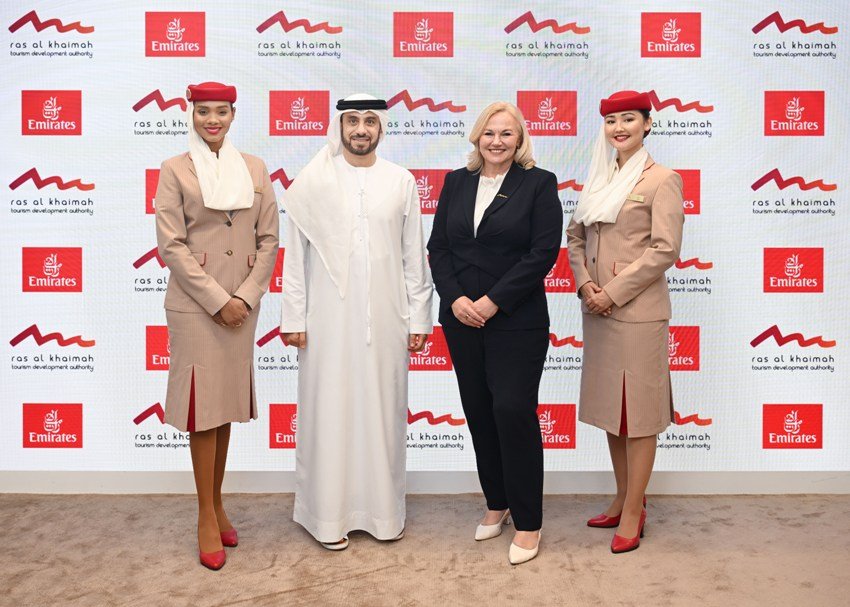
Dubai, 15 September 2026: Ras Al Khaimah Tourism Development Authority (RAKTDA) and Emirates have signed a Memorandum of Understanding (MOU) to boost visitor arrivals and stimulate traffic to the emirate from select markets within the airline’s network. The MOU was signed at the Arabian Travel Market by Adnan Kazim, Emirates’ Deputy President and Chief Commercial Officer and Her Excellency Phillipa Harrison, Chief Executive Officer of Ras Al Khaimah Tourism Development Authority. Under the MOU, RAKTDA and Emirates will work closely to explore implementing promotional activities across select markets. This will include joint marketing and advertising, trade and media familiarisation programmes, with RAKTDA supporting visits through curated ground experiences that showcase the destination and sharing marketing costs for multi-market campaign activities in Ras Al Khaimah’s target markets. Both parties will explore developing bespoke products and packages for Emirates customers, to be promoted to Emirates’ customers directly through ‘Dubai Experience’ on the airline’s website, alongside incentives for tour operators and the wider travel trade – enabling tourists to explore the full range of activities and experiences the UAE has to offer. RAKTDA and Emirates will also explore opportunities to share insights that identify what traveller segments are prioritised and leveraged across marketing campaigns. H.E. Phillipa Harrison, CEO of Ras Al Khaimah Tourism Development Authority, said: “As we expand our destination offering and cement Ras Al Khaimah’s positioning globally, working with Emirates will help connect the destination with audiences across key international markets. Through our collaboration with Emirates, we aim to build long-term value for our tourism partners and offer travellers more reasons to visit the UAE and explore Ras Al Khaimah.” Adnan Kazim, Emirates’ Deputy President and Chief Commercial Officer said: “We are proud to support the Ras Al Khaimah Tourism Development Authority and their 2030 tourism targets. Emirates’ network reach of close to 140 destinations provides the scale required to reach new travellers and encourage them to expand their itinerary with the rich experiences Ras Al Khaimah has to offer. As our home and hub, we remain committed to showcasing the UAE’s breadth of attractions and depth of experiences available for visitors.” Located just 45 minutes from Dubai International Airport, Ras Al Khaimah offers incredible natural landscapes, complemented by world-class hospitality and visitor experiences. With 68 kilometres of coastline, terracotta desert dunes, and Jebel Jais, the UAE’s highest mountain, the emirate offers a distinctive setting for holidays that combine relaxation, outdoor adventure and cultural discovery. Ras Al Khaimah Tourism Development Authority is targeting more than 3.5 million annual visitors by 2030 as the destination continues to expand its offering through new hotel openings, developments by major international hospitality brands and landmark projects. Together, these investments will broaden the choice of accommodation and experiences available to visitors, supporting the emirate’s long-term tourism ambitions and creating further opportunities for collaboration with Emirates and its travel trade partners.

Features

When Pilots Go Around: One of Aviation’s Most Standard Safety Decisions

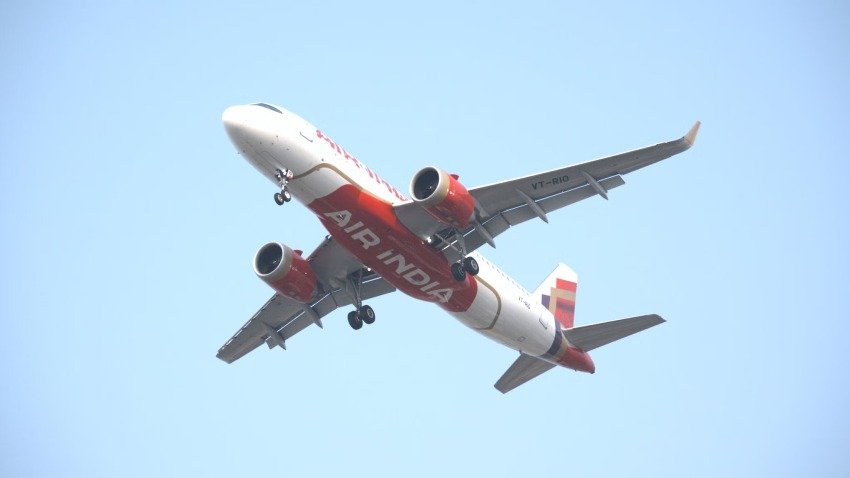
The runway is in sight and the aircraft is moments from touchdown. Then the engines surge, the nose lifts and the aircraft begins to climb again. Here is why this is often one of the safest decisions a pilot can make. As an aircraft descends towards a runway, passengers can usually sense that the journey is almost over. Seat belts are fastened, window shades are raised and attention turns to the ground as the runway comes into view. Then, suddenly, the engines become louder. The aircraft begins to climb and the runway drops away beneath the wings. For many travellers, the first reaction is confusion: Did something go wrong? Was it dangerous? In most cases, what they have experienced is one of aviation’s most important safety practices: a go-around.Far from being an emergency, a go-around is a deliberate and highly trained manoeuvre. It allows pilots to climb away from the runway and prepare for another approach. For Air India, where safety supports every operation, the go-around shows how pilots, technology, procedures and sound judgement work together to protect safety margins. What is a go-around? The U.S. Federal Aviation Administration describes a go-around as a safe, routine manoeuvre that may be initiated by the pilot or requested by Air Traffic Control.Reasons can include an occupied runway, changing weather, traffic or other operational considerations. Once the aircraft reaches a safe altitude, it is repositioned for another approach and landing. Think of parking a car in a tight space. If the angle is not right, most people do not force the car into position and hope for the best. They pull out, reposition and try again. A go-around follows the same principle. Rather than continuing when the approach is not as it should be, pilots climb away, reposition the aircraft and set up again. The decision puts precision and safety ahead of simply getting the aircraft on the ground.Importantly, a go-around is not an abnormal procedure. Airports publish missed-approach procedures, pilots brief for the possibility before landing and airlines train for it regularly. It is not aviation’s backup plan; it is part of normal operations. Chief Pilot of Air India’s A350 fleet, Sameer Bagai explains, “As pilots, we continuously monitor the approach. If the aircraft is not in a safe and stable position to land, or if we lose the required visual references, we do not try to force the landing. We simply discontinue the approach and go around. It’s a normal, well-practised safety decision. And there is always another opportunity to land safely.” How common are go-arounds? Although a go-around can feel unusual in the passenger cabin, it is a recognised and expected part of commercial aviation.Industry data suggests that go-arounds occur on about one to three approaches in every thousand. This means that more than 99 per cent of approaches end with a landing on the first attempt. The rate varies with factors such as airport complexity, weather and traffic.Many passengers may never experience a go-around, while frequent travellers may encounter one occasionally. Across the millions of flights operated each year, thousands of go-arounds take place. Pilots and air traffic controllers consider the possibility on every approach, and it remains an option until the aircraft has landed safely. A go-around may be a routine part of aviation, but it is not something most passengers expect to experience. Keeping customers informed and reassured is therefore a key part of the procedure. Yoahann Banaji, Chief Pilot of the B777 fleet notes, “We make announcements to explain what is happening. As hearing from the captain can help reassure passengers that everything is under control and that the flight is continuing safely.” Why do pilots perform a go-around? Every landing begins well before the aircraft reaches the runway. During the descent, pilots continuously assess speed, altitude, wind, visibility, traffic and runway status. They compare the approach with clearly defined safety criteria.Most approaches develop exactly as planned. Sometimes, however, the wind changes, visibility reduces, another aircraft is still leaving the runway, or the aircraft no longer meets the required stabilised approach criteria. In that situation, there is no benefit in pressing ahead. The safer choice is often to go around, create more time and set up a better approach. Stabilised approach guidance is built around this principle. The decision often happens earlier than passengers think Passengers may assume that a go-around follows a dramatic event at the last second. More often, pilots decide early that the approach is no longer ideal.Pilots monitor many parameters throughout the approach. If the aircraft is too high, too fast, not correctly aligned, or if weather or runway conditions change, another approach may offer a safer result. The aim is never to “salvage” a landing. The aim is to complete a safe landing. Pilots are therefore trained to go around early, clearly and without hesitation when conditions require it. Aviation safety experts have long recognised that continuing an unstable approach can present greater risk than conducting a go-around.That philosophy is reinforced through Air India’s safety culture. As Chief Pilot Yoahann Banaji explains,  “At Air India, safety always comes first. Pilots are encouraged to make decisions based solely on safety and are never expected to continue an approach they are not comfortable with.” “A go-around is not considered a mistake or a failure. In fact, it is often the safest and most professional decision when an approach is not developing as planned. Our culture supports pilots in making that decision whenever necessary,” he adds. Is a go-around safe? Yes. A go-around is a normal aviation procedure conducted within established aircraft performance limits and operating procedures. Its purpose is to preserve or increase safety margins when conditions are not ideal for landing.A common misconception is that a go-around means safety was in doubt. In most cases, it shows the opposite: the crew has recognised that conditions are not exactly right and has selected the safest available option.Rather than accept additional risk, the crew creates more time, more space and a better setup for the next approach. A go-around


FOREWORD

Dear Readers,

The Asia-Pacific aviation sector is expanding rapidly, driving growth far beyond aircraft numbers into crucial verticals like MRO, training, logistics, and aerospace supply chains. In this edition of Aviation World, we bring you exclusive interviews and features from across these sectors, offering direct industry insights from top global leadership.

Our cover story highlights Shveta Gupta, CEO of Divyanshi Aviation. Under her dynamic leadership, the company has established itself as one of India’s premier aerospace supply chain providers, partnering with leading global manufacturers. Our corporate feature delves into Divyanshi Aviation’s core operations, paired with an exclusive interview where Ms. Gupta candidly shares her professional journey and vision for the company’s future.

This issue also features exclusive conversations with prominent industry leaders, including:

  • Ron Nye, President of Avionics, Acron Aviation
  • Bob Gibbs, Vice President, Defense & Special Missions Sales, Textron Aviation
  • Sudhir S. Rajeshirke, President – Aerospace, Jubilant Enpro
  • Emmanuel Simon, Program Manager and Aerospace Leader, PHINIA
  • Arved von zur Muehlen, Chief Commercial Officer, Saudia Group
  • Simon Azar, Vice President, Civil Aviation, Asia Pacific, CAE

Each leader offers key perspectives on their organization’s strategic initiatives and their growing contributions to the Indian aviation and aerospace ecosystem. Additionally, you will find expert-authored analytical features offering deep dives into current sector trends.

Aviation World continues to expand its global footprint as an official media partner for major domestic and international aviation events. Our editorial team will be participating in several upcoming global forums, and we look forward to connecting with industry peers and exploring new collaborations.

We extend our sincere gratitude to our advertisers and partners whose continued support fuels our endeavor.

Happy Reading!

The Editorial Team

Aviation World

NEWSLETTER

Aviation World Magazine is India’s premier aviation magazine and has been actively supporting the development of the Indian and global civil aviation sector. We started our journey in year 2015 and its been 12 years now and the response and acceptance is really encouraging. Thanks to all our associates and writers who remained with us in our progressive journey.

We have started 2026 on a very positive note and we look forward to increase our footprints to more locations and induct many more new companies in our campaign.. Do write to us at : editor@aviationworld.in

Disclaimer

The contents published in this website are news covering Aviation, Aerospace and Defence sector. The objective is to provide news in informative form to keep our readers updated of the latest development. We also publish content featured in our print publication Aviation World.We try our best to avoid any factual errors or image displayed here but we ensure immediate corrections to any such thing brought to our notice that might have been published inadvertently. All images and contents are sourced from the relevant organisations media team.

Copyright ©2014 – 2026. AVIATION WORLD. All rights reserved.

Scroll to Top