

Author name: Aviation World

Interview

Transforming the Skies: Saudi Aviation’s Commercial Future

As Saudi Arabia accelerates its push to become a premier global aviation hub under Vision 2030, the strategic steering of its commercial engine is crucial. In this exclusive interview with Vishal Kashyap, Managing Editor, Aviation World, Arved von zur Muehlen, Chief Commercial Officer of Saudia Group reflects on the operational and strategic shifts redefining the region. From scaling international connections and boosting religious and leisure tourism to managing capacity in an evolving competitive landscape, he provides an insider’s view on driving long-term commercial transformation. Excerpts:  AW: With Saudi Arabia’s National Aviation Strategy targeting 330 million annual passengers by 2030, how is Saudia scaling its fleet, network, and bilateral partnerships, particularly in high-growth sectors like India? A: Saudia’s growth plans are closely aligned with the ambitions of the Saudi Aviation Strategy and the wider objectives of Vision 2030. Our focus is on expanding capacity in a disciplined way, strengthening international connectivity, and building partnerships that extend the reach of our network. Today, Saudia operates 153 aircraft across more than 100 destinations on four continents, and we expect the fleet to reach 216 aircraft and the network to grow to 145 destinations by 2030. This expansion gives us greater flexibility to increase frequencies in high-demand markets and pursue new international opportunities. India is an important part of that strategy. It is already one of Saudia’s largest and most diverse international markets, with demand spanning Hajj and Umrah, business, leisure, employment and family travel. As economic and tourism ties between the two countries continue to grow, we see considerable opportunity to strengthen direct connectivity while also connecting Indian guests through Saudi Arabia to our wider international network. AW:Following Saudia Group and Air India’s strategic MoU on code sharing and loyalty integration, how will this partnership reshape aviation dynamics and passenger experience between Saudi Arabia and India? A: The codeshare significantly expands connectivity between Saudi Arabia and India by combining the strengths of both networks. Saudia guests can connect through Delhi and Mumbai to key destinations across India, while Air India guests arriving in Jeddah or Riyadh gain access to Saudia’s domestic network, including cities such as Dammam, Madinah, Abha and Taif. For our guests, this provides greater choice and a simpler journey, with flights booked under a single itinerary and baggage checked through to the final destination. lt also strengthens our ability to serve the growing movement between the two countries across religious travel, business, tourism and family travel. Looking ahead, the wider cooperation creates opportunities to expand codeshare connectivity further and explore additional benefits through the airlines’ loyalty programs. AW:Beyond core religious travel, how is Saudia scaling it to capture the surging demand from Indian leisure, MICE, and business travellers? A: India is one of Saudia’s key international markets, with strong Hajj and Umrah demand complemented by growing leisure, business and MICE travel.Saudi Arabia’s expanding tourism and events offering is broadening the reasons for Indian travellers to visit the Kingdom, from leisure destinations such as AlUla and Abha to business and major events in Riyadh and Jeddah. We are responding to this broader demand by strengthening our engagement with the Indian travel trade, corporate partners and digital platforms, ensuring our offering continues to reflect the different needs of the market. AW: How does the Saudia Group plan to leverage its dual-brand model—deploying both full-service Saudia and low-cost carrier flyadeal—to expand its network into India’s rapidly growing tier-2 & 3 cities? A: Saudia Group’s dual-brand model gives us greater flexibility in how we approach a large and diverse market like India, with Saudia and flyadeal serving different travel needs through distinct operating models. As international demand develops beyond India’s major gateways, we see potential in emerging regional markets. Having two airline models gives the Group more options to respond to these opportunities over time, based on the characteristics and demand of each market. This gives us greater flexibility to grow in a measured way, while preserving the distinct role and proposition of each airline. AW: As flyadeal expands into India, how are you positioning Saudia as the premium flag carrier alongside a LCC to capture the price-sensitive travellers as well as the luxury tourists? A: Saudia and flyadeal allow us to serve different traveller preferences without defining the market purely by price. flyadeal provides a streamlined low-cost proposition, while Saudia offers a full-service experience across Guest, Business and First Class. For Saudia, we continue to invest across the full guest experience, from new and upgraded cabins, free high-speed inflight connectivity, enhanced entertainment and digital services, to premium products and the award-winning service of our cabin crew, recognized by Skytrax as Best Airline Staff Service in the Middle East, reflecting the authentic Saudi hospitality at the heart of the Saudia experience. Together, this gives travellers in India greater choice in how they travel, while allowing both airlines to maintain clear and complementary propositions. AW: With King Abdulaziz International Airport in Jeddah developing as a primary transcontinental hub, how is Saudia optimising its connection infrastructure and transit experiences to capture high-volume traffic moving onward to Europe, Africa, and the US? A: Jeddah is central to Saudia’s future network strategy. We are progressively concentrating more aircraft and connecting capacity at King Abdulaziz International Airport to strengthen its role as our primary international hub. This includes aligning schedules into coordinated arrival and departure waves, improving the efficiency of connections between flights and increasing the number of aircraft based in Jeddah. Saudia plans to grow its Jeddah-based fleet from approximately 102 aircraft in 2026 to around 186 by 2030. The ambition is also reflected in connecting traffic. International transit volumes through Jeddah are expected to increase from more than 2 million guests in 2026 to more than 5.5 million by 2030, supported by stronger connectivity between Asia, Europe, Africa and other international markets. Operational reliability is central to supporting that growth, with Saudia ranked the world’s No. 1 airline for on-time performance by Cirium for three consecutive months, from May to July 2026. Alongside efficient connections, we
Top Stories

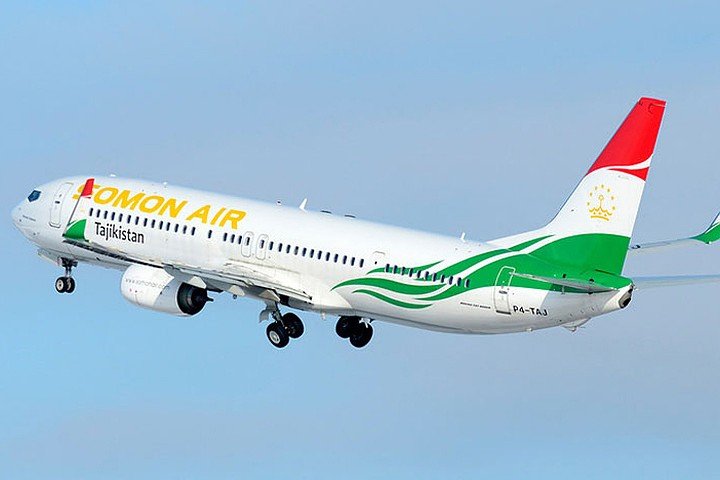
SOMON AIR to introduce inflight entertainment with MOMENT

Paris, 12th October 2026 :  Somon Air, the national carrier of Tajikistan, has selected Moment to introduce inflight entertainment for the first time, as part of its fleet modernisation with Boeing. The agreement covers eight new Boeing 737 MAX 8 aircraft. Somon Air currently operates an all-Boeing 737 fleet, and none of its aircraft have offered inflight entertainment until now. The airline is renewing its commercial fleet with new 737 MAX 8 aircraft, as part of a wider modernisation programme announced with Boeing in November 2025. The first 737 MAX 8 was delivered in August 2026. Moment’s platform is scheduled to enter service on these aircraft in the fourth quarter of 2026. The agreement comes as Central Asia records the fastest airline capacity growth of any region in the world: seat capacity across the region has risen by nearly 500% over the past two decades, an average annual growth rate of 7.7%, according to OAG. Somon Air becomes Moment’s second airline customer in Central Asia after SCAT Airlines in Kazakhstan, and its third across the wider Caucasus and Central Asia region, after AZAL, where Moment’s entertainment platform has been on board since 2019. Somon Air’s network has historically been anchored on flights to Russia, connecting Tajik communities there, alongside services to the Gulf, the Middle East, South Asia and a growing number of European points. Somon Air also operates domestic flights within Tajikistan. No aircraft modification, no downtime Moment will equip the aircraft with its Flymingo Box, a portable IFE server that runs on its own battery rather than the aircraft’s power system. Because it requires no Supplemental Type Certificate or structural change, each unit is fitted directly onto the aircraft without an additional certification step, which means Somon Air can bring entertainment onto its new 737 MAX 8 aircraft without adding to its delivery and entry-into-service programme. Each Flymingo Box runs for up to 14 hours between charges and supports up to 100 streaming connected devices, so passengers stream directly to their own smartphones, tablets or laptops. A modular platform Somon Air chose Moment’s Mood platform for its modular structure: airlines select individual modules rather than a fixed bundle. For this agreement, Somon Air has selected the entertainment module, covering video, games and podcasts, the travel information module, which includes a moving map, and the Ads module, which gives Somon Air’s own teams an advertising server to manage onboard campaigns in full autonomy. As content service provider, Moment will supply Somon Air with an international entertainment catalogue, including films, series, games and podcasts, available in Tajik, Russian and English. “Our fleet renewal is about more than new aircraft, it changes what we can offer passengers from the first flight,” said Abdulkosim Valiev, CEO of Somon Air. “Introducing entertainment at the same time as the 737 MAX 8 enters service means we start this new chapter with a modern cabin experience.“ “Central Asia’s airline capacity has grown by nearly 500% in twenty years, the fastest rate of any region in the world,” said Tanguy Morel, CEO and co-founder of Moment. “Somon Air is introducing entertainment at the same time as it renews its fleet with the 737 MAX 8, so the onboard experience is built in from day one rather than added later. It’s the same pattern we’ve seen with AZAL and SCAT Airlines, and it’s becoming the norm across the region.”

Interview

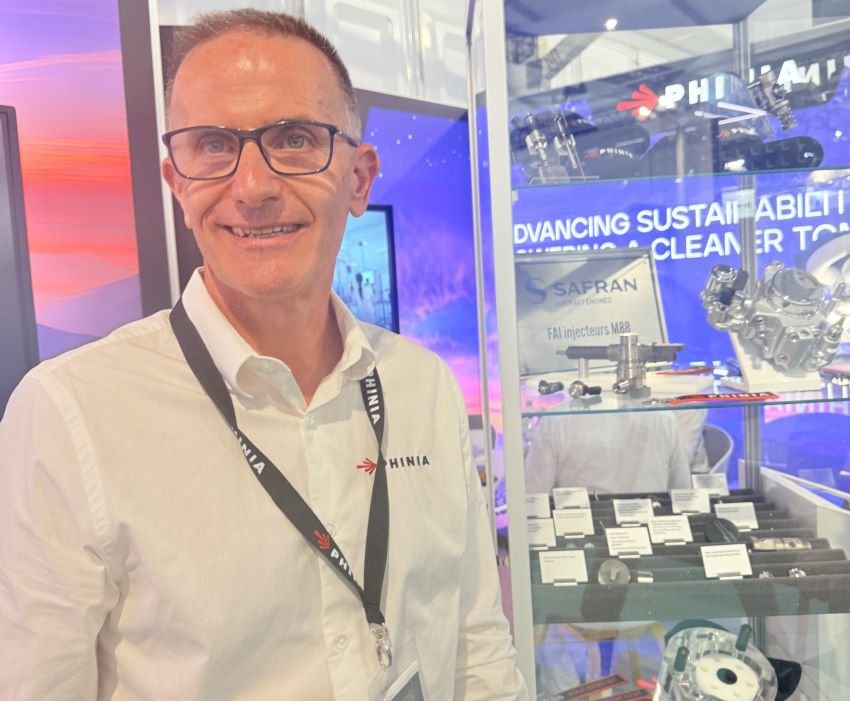
From Automotive to Aerospace:How PHINIA is Bringing High-Volume Scale and Precision to Defense Aviation

With decades of expertise in precision machining and pressure-and-flow control, PHINIA is expanding from automotive into high-precision aerospace. By partnering with Safran to supply critical components for the Rafale fighter jet’s M88 engine, it is applying automotive-grade scalability and quality control to solve pressing supply chain bottlenecks in defense and commercial aviation.  In this interview with Aviation World, Emmanuel Simon, PHINIA’s Program Manager and Aerospace Leader, outlines the company’s global footprint, expanding certifications across Europe and Asia, and its vision for the aerospace sector.  Excerpts…   AW: Tell us about the products and vertical that PHINIA deals into? A: PHINIA is a diversified industrial company operating into different sectors. The range is from heavy-duty trucks tolight commercial vehicleswhere we supply components for them; marines, off-highway vehicles, like agricultural equipment or construction equipment. We also supply equipment for industrial, like power generation sets and automotive industry. Recently, as a diversified industrial company, we have started our production with Safran in the aerospace sector. Our skill set is precision machining, pressure and flow control and we have decades of expertise in this particular segment. This includes work for hydro-mechanical components, for diesel and gasoline equipment, injector, pump for piston engine or rotary engine. As we can use off-the-shelf product coming from PHINIA so this is why we believe we can give an added value to this sector. We have been diversified to supply components for turbine engine that require precision machining, high knowledge and skill in pressure and flow control. Due to this capabilities, Safran has selected us for the first production that has started this year. AW:Where is PHINIA’s HQ located? How about your APAC presence? A: PHINIA is a US-based company and has presence in more than 40 locations in above  20+ countries. We have approx. 13,000 people working and our annual revenue last year was 3.5 billion US dollars. Our first site in France is located in Loire which is certified for aerospace production. We have not yet our presence in Asia-Pacific but we have sites in China and India. This is why we have certified, and we are certifying this year another site in UK, our Stonehouse site. It will be certified EN-9100 before the end of 2026. AW:From India, what services you provide?  A: In India, we are providing and manufacturing hydro-mechanical components, and we have also services for software systems. AW:What area of work does you have with Safran? A: With Safran, I cannot share all because we have NDA. We have started our first production this year for one product that equips the M88 engine, which is fitted on the Rafale fighter jet, which has been sold to India. There is a plan to sell 114 Rafale fighters to the Indian government and this should be tied up and signed before the end of the 2026. We have started the production in March. We are SOP another product for the same engine and within next year, we will SOP for another product for this engine. So, this is about Safran industrialization, but also we are collaborating with Safran for advanced development project, where here it’s military and civil. AW:How do you see your presence at the Farnborough Airshow? A: Here, we highlighted the fact that we are convinced that PHINIA with his decade of expertise can bring an added value to the aerospace sector, because we are coming from the automotive industry. Currently, as I said, we are diversified across multi-sector of the industry and we can bring added value to perform fast track development. This is our DNA from the automotive industry and we have a vertical integration. We have a strong quality approach which is now standardized also at the aerospace. This quality approach is giving us a guideline to make sure that we are developing products to answer the right requirements according to the right process. This is a strength that PHINIA has and we have also the scalability. Currently, the supply chain in the aerospace manufacturers are struggling with the supply chain because many suppliers are small and they struggle to deliver and to answer the increased demand due to the growth of this sector. ( This interview is also published in the Aviation World Sept-Oct 2026 Print Edition)   

UAM/AAM

The Future of Indian Aviation is Electric

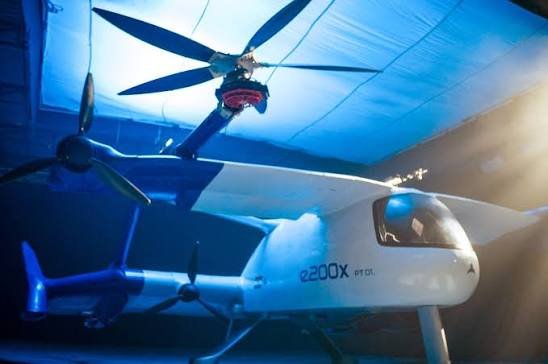
By Kiran S. Pillai Aviation has transformed the way people and goods move across the world, but the industry faces a fundamental challenge. Conventional aircraft depend heavily on fossil fuels, while demand for air travel continues to increase. The search for cleaner propulsion systems is therefore becoming an important part of the future of aviation. Electric aviation offers one possible pathway The concept is relatively simple. Instead of relying entirely on combustion engines, aircraft can use electric motors powered by batteries, hybrid systems or other forms of electricity generation. The engineering challenge, however, is substantial because aircraft require extremely high energy density and reliability. This makes electric aviation different from the electrification of automobiles A car can carry a large battery because its weight can be accommodated by the vehicle. An aircraft must continuously overcome gravity. Every additional kilogram affects its efficiency. Battery technology therefore becomes one of the central factors determining how quickly electric aviation can develop. The first major applications are likely to appear in smaller aircraft Short-distance flights, training aircraft, regional aviation and specialised air mobility could provide the initial market for electric propulsion. Smaller aircraft require less energy and can operate on routes where the limitations of current battery technology are more manageable. This creates an interesting opportunity for India India has a large population, rapidly expanding cities and significant demand for regional connectivity. Many communities remain separated by geographical distance, while major cities face increasing congestion on roads. Electric aircraft could eventually complement existing transportation systems One particularly interesting development is the emergence of electric vertical take-off and landing aircraft, commonly known as eVTOLs. These aircraft combine characteristics of helicopters and airplanes and are being developed for urban and regional transportation.If the technology becomes commercially viable, eVTOLs could create a new category of transportation between conventional road travel and traditional aviation. India’s cities could eventually require dedicated infrastructure for such aircraft. Vertiports, charging facilities, navigation systems and digital airspace management could become part of urban transportation planning. However, electric aviation should not be viewed only as a transportation technology. It could also become an industrial opportunity. India has developed substantial capabilities in automotive manufacturing, electronics, software and engineering. These capabilities could be redirected toward electric aircraft components, batteries, power electronics, sensors, motors and control systems. The aerospace industry has traditionally required extremely specialised supply chains. Electric propulsion could create new points of entry for companies that already possess advanced engineering capabilities but have limited involvement in conventional aircraft manufacturing. Battery technology will remain one of the largest constraints Current batteries are considerably heavier than aviation fuels for the same amount of usable energy. This makes fully electric long-distance commercial aviation difficult with present technology.Research into higher-energy-density batteries, improved thermal management and alternative energy systems could gradually expand the range of electric aircraft. Hybrid-electric aircraft may therefore play an important transitional role Instead of replacing conventional propulsion immediately, hybrid systems can combine electric motors with other power sources. Such aircraft could reduce fuel consumption while allowing greater range than purely battery-powered designs. The transition will also require new charging infrastructure Airports are already complex energy environments. Large-scale electric aviation would require high-capacity electrical connections, charging systems and energy-management infrastructure. Airports could increasingly become energy hubs combining electricity generation, storage and aircraft charging. Renewable energy could strengthen this transition Solar power, energy storage and smart-grid systems could help airports reduce the carbon intensity associated with electric aircraft operations. This creates a connection between aviation policy and India’s broader renewable-energy strategy. The economics will be equally important Electric aircraft will need to compete with conventional aircraft on operating costs, reliability and passenger experience. Lower fuel and maintenance costs could provide an advantage if the technology reaches sufficient maturity. Regional routes could become particularly attractive because aircraft operating shorter distances can potentially achieve higher utilisation without requiring enormous battery capacity. Electric aviation could also reshape regional connectivity India’s aviation network is concentrated around major airports and metropolitan centres. Smaller electric aircraft could potentially support new regional routes if operating economics improve. This could strengthen tourism, business travel and access to economic opportunities in smaller cities. Yet regulation will determine how quickly these possibilities become reality Electric aircraft require certification standards, pilot training, maintenance procedures, battery safety standards and emergency protocols. eVTOL operations will additionally require new approaches to urban airspace management. India should therefore begin preparing regulatory frameworks before the technology reaches mass deployment. The country should also invest in research Universities, aerospace companies, energy companies and technology startups can work together on electric propulsion, battery systems, lightweight materials, flight controls and autonomous aviation. Government research programmes can help reduce the cost and risk of early experimentation. The future of aviation is unlikely to become completely electric overnight. Large passenger aircraft travelling thousands of kilometres will remain technologically difficult to electrify for some time. The transition will probably occur in stages. Small aircraft may become electric first. Regional aircraft may follow. Hybrid systems could bridge the gap toward larger aircraft. Advances in batteries and alternative energy technologies may eventually expand the possibilities further. India should approach this transition strategically Rather than waiting for electric aviation technologies to mature elsewhere, India can participate in their development and build the supporting industrial ecosystem at home. Electric aviation could eventually become more than a cleaner form of flying. It could become a new industrial platform connecting aerospace engineering, energy, electronics, artificial intelligence and advanced manufacturing. The skies of the future may therefore contain not only larger and faster aircraft, but quieter, smarter and increasingly electric machines.For India, preparing for that future today could create both an environmental opportunity and a major new technology industry. Image Courtesy: The ePlane Company (Used for editorial representation purpose ) ( Views expressed are personal. The author of this article is the Founder of Vastuta Think Tank, working on technology, public policy, economic development and emerging technology ecosystems.) 

Technology, Top Stories

PayU and Malaysia Airlines signs MoU to enhance digital payments and booking experience

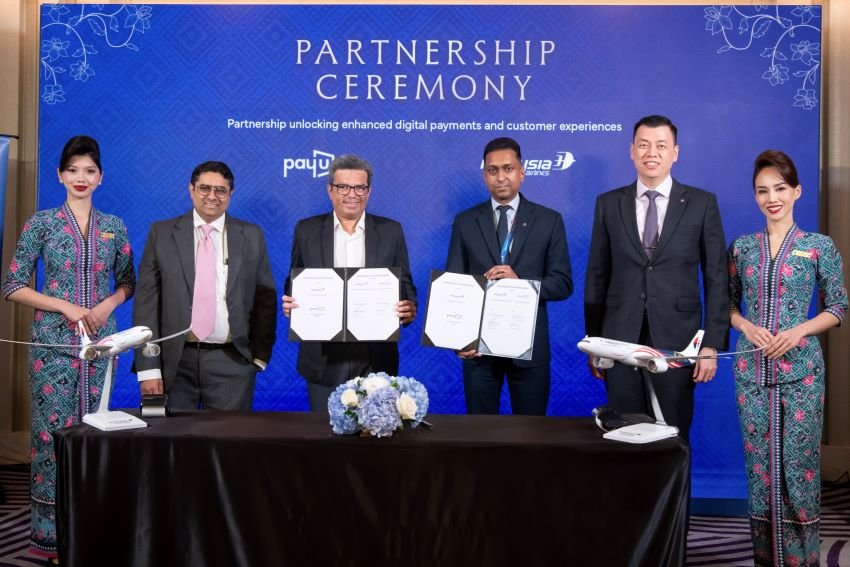
Mumbai, 12th October 2026: PayU and Malaysia Airlines signed a MoU to enhance the digital payment and booking experience for customers in India. The collaboration will combine PayU’s extensive payment ecosystem with Malaysia Airlines’ international network to create more seamless and relevant travel experiences powered by innovative and flexible payment solutions. The MoU marks the beginning of a strategic collaboration between Malaysia Airlines and PayU, with both companies exploring initiatives to support customer growth and strengthen the digital travel experience in India. Malaysia Airlines and PayU will explore innovative and payment solutions, flexible payment options, exclusive offers and co-branded marketing initiatives to enhance customer engagement, drive incremental bookings, and support customer acquisition in India. The collaboration will also explore tailored propositions to address the distinct needs of leisure, premium, student, and corporate travelers. The MoU was signed by Dersenish Aresandiran, Chief Commercial Officer of Airline Business from Malaysia Aviation Group (MAG) and Hemang Dattani, Chief Business Officer​ from PayU Payments Private Limited​. “Travel is a high-intent category where seamless payments, flexibility, and relevant offers can meaningfully influence the customer experience. Through this MoU, PayU and Malaysia Airlines will explore ways to make digital bookings and payments experience more convenient and seamless, while creating differentiated propositions for diverse traveler segments”, says Hemang Dattani, Chief Business Officer, PayU Payments. “India remains an important and strategic market for Malaysia Airlines, and we are committed to making every journey more seamless, convenient and rewarding for our customers. Our collaboration with PayU will enable us to explore more convenient and relevant payment and engagement solutions that respond to the evolving needs and preferences of Indian travelers,,” says Dersenish Aresandiran, Chief Commercial Officer of Airline Business from MAG.

2026

SAS Copenhagen–Mumbai service takes off

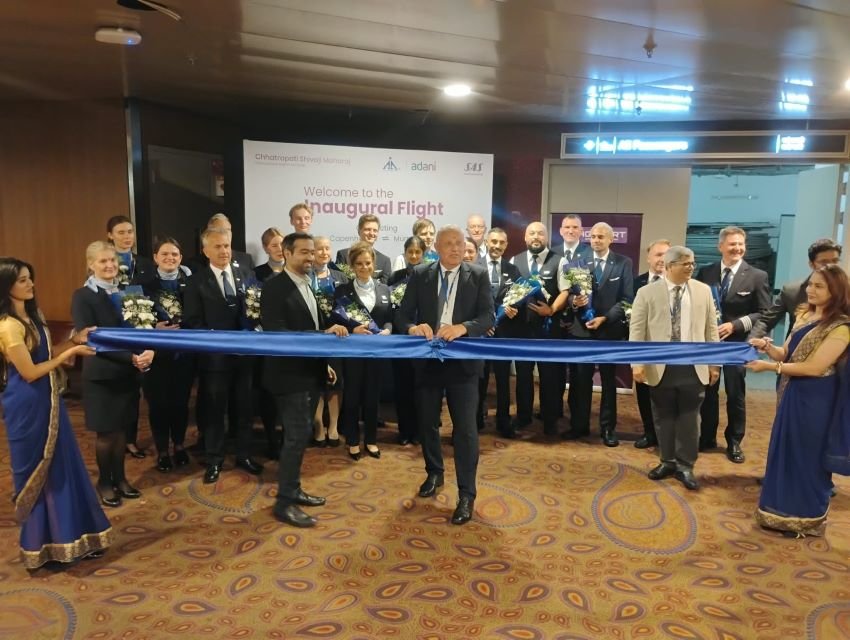
Mumbai, 11th October 2026: Scandinavian Airlines (SAS) had launched its new non-stop service between Copenhagen and Mumbai. The inaugural Copenhagen–Mumbai flight arrived in Mumbai on October 1, 2026, followed by the first Mumbai–Copenhagen departure on October 3, 2026, reaffirming SAS commitment to enhancing connectivity between India and Scandinavia. Operating five times a week, the route is expected to foster greater business, tourism and cultural exchange between the two regions. InterGlobe Air Transport, SAS exclusive General Sales Agent in India since 1990, will continue to support the airline’s growth and presence in the Indian market.

2026

Air Astana launches direct flights to Oman

Astana, 12th October 2026: Air Astana will launch new direct services to Salalah, Oman, from Almaty and Astana on 23rd and 24th  October 2026, respectively. Both routes will be operated weekly with an Airbus A320. Flights from Almaty will operate on Fridays, departing at 10:05 and arriving in Salalah at 15:15. The return flight will depart at 16:25 and arrive in Almaty at 22:55. From 30 October, the departure time from Almaty will change to 07:30, arriving in Salalah at 12:40. The return flight will depart Salalah at 13:50 and arrive in Almaty at 20:20. Flights from Astana will operate on Saturdays, departing at 08:35 and arriving in Salalah at 14:40. The return flight will depart at 16:00 and arrive in Astana at 23:25. All times local. Return fares from Almaty start at US$ 536 in Economy Class and US$ 1391 in Business Class. From Astana, return fares start at USS 596 in Economy Class and US$ 1371 in Business Class.

2026

Akasa Air marks its entry into Jaipur with daily Mumbai and Bengaluru flight

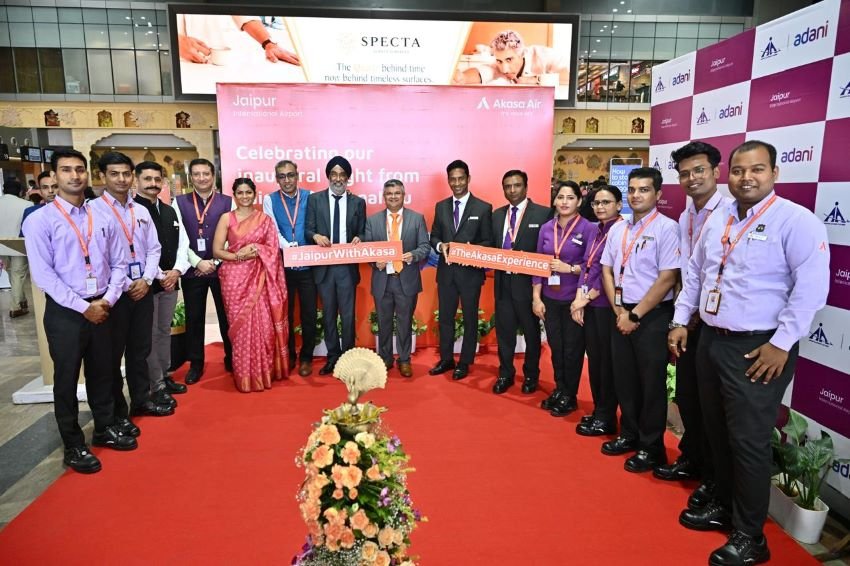
Dehi, October 12, 2026: Akasa Air has commenced operations from Jaipur, connecting it with Mumbai and Bengaluru with daily direct flights. The maiden flight on 11th October 2026 departed Jaipur International Airport at 1130hrs, arriving at Kempegowda International Airport in Bengaluru at 1400 hrs. The route marks Akasa Air’s entry in the state of Rajasthan, offering enhanced travel options to key metropolitan hubs, while enabling greater inbound connectivity to Rajasthan for business and leisure travel. The airline will also commence operations from Udaipur starting 15th October 2026, progressively building its presence in Rajasthan, enhancing access to the state’s key tourism and commercial centres. To commemorate the launch, a ceremonial lamp was lit at Jaipur International Airport in the presence of Anand Srinivasan, Co-Founder and Chief Commercial Officer, Akasa Air, along with the leadership of Jaipur International Airport. A special boarding pass was presented to the first passenger on the inaugural flight. Commenting on the occasion, Anand Srinivasan, Co-Founder and Chief Commercial Officer, Akasa Air, said, “Since inception, we have been focused on building a robust network that serves the breadth of India’s travel demand. Rajasthan is a natural extension of that strategy. Jaipur has a mature and diversified travel market, and connecting it with Mumbai and Bengaluru allows us to serve strong traffic flows across multiple segments. As we build greater depth in the state, our focus will remain on building meaningful connectivity, offering customers greater choice, and delivering the warm, dependable and seamless Akasa Experience.” The launch underscores Akasa Air’s commitment to building a comprehensive, demand-led network across India by strengthening connectivity between major metropolitan centres and high-potential regional markets.

MRO, Top Stories

ST Engineering Opens New Airframe MRO Facility in Singapore

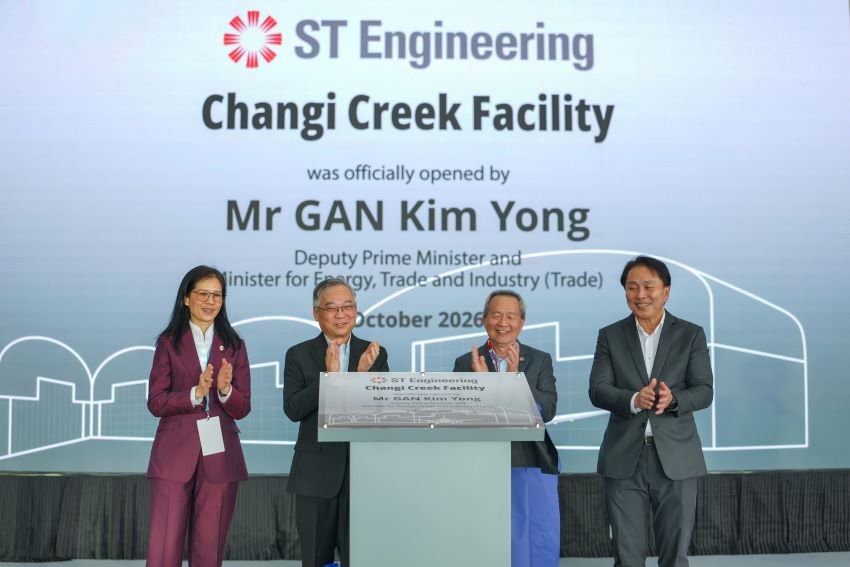
Singapore, 9 October 2026 : ST Engineering officially opened its new Commercial Aerospace airframe maintenance, repair and overhaul (MRO) facility at Changi Creek, located within Singapore’s Changi Airport, today. As ST Engineering’s fourth airframe MRO site in Singapore, the new facility expands the Group’s MRO capacity in one of the world’s leading aviation hubs and strengthens its Commercial Aerospace business’ global airframe MRO network to support growing aircraft maintenance demand. Singapore’s Deputy Prime Minister and Minister for Energy, Trade and Industry (Trade), Gan Kim Yong, graced the opening ceremony. The 84,000 sqm facility features four widebody aircraft bays which when fully operational, will add 40 percent additional capacity to ST Engineering’s widebody airframe MRO network in Singapore. This potentially translates to some 100 additional widebody aircraft serviced in Singapore per year, giving customers greater flexibility and assured access to maintenance slots as airline fleets expand and aircraft remain in service longer. Smarter Maintenance Through Digital Technologies and AI The facility is designed for a new generation of airframe maintenance, integrating digitisation, automation and AI to improve efficiency, visibility and maintenance outcomes. Advanced digital planning systems, automated storage and retrieval solutions, robotics and electronic documentation rooms provide end-to-end visibility across the maintenance lifecycle, enabling more streamlined and data-driven operations. Drones will perform general visual inspections with greater speed and precision, while Autonomous Mobile Robots will deliver aircraft parts directly from storage areas to maintenance bays, improving workflow efficiency and reducing manual handling. Real-time maintenance dashboards will provide instant operational insights, enabling faster and better-informed decision-making. Together with AI-enabled aircraft inspection and defect identification capabilities, these technologies will enhance maintenance quality, improve aircraft turnaround time and strengthen operational safety, reliability and customer service. This facility also incorporates sustainability features, including on-site solar generation and rainwater harvesting. Building a Future-Ready Workforce When fully ramped up, the facility is expected to employ over 500 people. To support increasingly digital and automated maintenance operations, ST Engineering will provide training and upskilling programmes in digital technologies and AI-enabled work processes, equipping employees with the skills needed to complement their technical expertise and work effectively alongside advanced technologies. “As airline fleets expand and aircraft stay in service longer, airlines need assured capacity, dependable reliability and consistently high quality. Our latest airframe facility aims to meet these customer expectations,” said Kevin Chow, President of Commercial Aerospace at ST Engineering. “This being Singapore’s latest aerospace facility designed for more technology-enabled MRO operations, it also reinforces the country’s strengths as a leading global aviation hub while supporting the development of advanced aerospace capabilities and skilled jobs here.” “ST Engineering’s new facility is a significant expansion of its MRO capacity and capabilities. The facility will feature advanced robotics, digital and AI capabilities that enable connected, automated and sustainable maintenance operations. These capabilities would provide opportunities for Singaporeans to upskill, work with exciting technologies and pursue rewarding careers in aerospace. We look forward to partnering companies like ST Engineering to further Singapore’s standing as a premier global aerospace and aviation hub,” said Cindy Koh, Executive Vice President at Singapore Economic Development Board. Outside Singapore, ST Engineering’s airframe MRO network in Asia Pacific includes facilities in Guangzhou and Ezhou, China. A second hangar at Ezhou is expected to become operational in the second half of 2027, while two new hangars in Pensacola, U.S., will become operational progressively from early 2027, further expanding the Group’s global capacity.

Interview

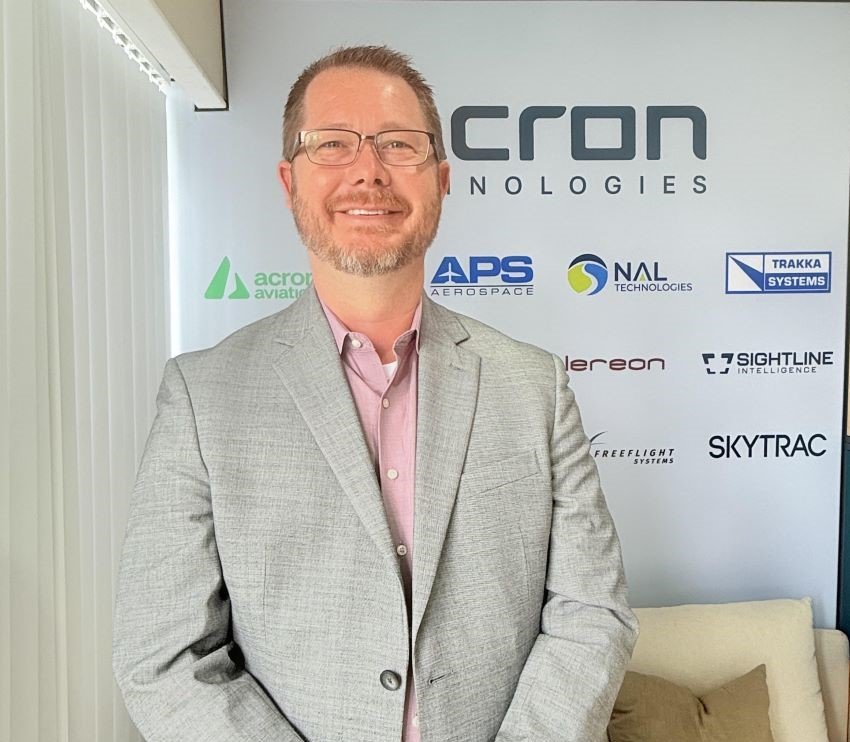
Acron Avionics division priorities in the SAARC region: Ron Nye

As civil aviation across the SAARC region—led by India’s massive fleet expansions— airspace modernisation, safety infrastructure, and fleet compliance have taken center stage. In this exclusive interview, Vishal Kashyap, Managing Editor of Aviation World, speaks with Ron Nye, President of Avionics at Acron Aviation, about the company’s strategic push into the South Asian market, modernising safety compliance with advanced flight recording systems, rollout of NextGen ADS-B surveillance, and localised sustainment partnerships. Excerpts… AW: What are your key priorities for Acron Aviation’s avionics division in the SAARC region? A: Our top priority across the SAARC region is bringing Acron Aviation closer to the customers who rely on our systems every day. That starts with our avionics MRO center in Bangalore, which is already reducing turnaround times and logistics costs for operators across South Asia, and began with flight recorder repair and will expand over the next three years to cover TCAS and display systems. Beyond the physical footprint, we’re focused on three things: building deep local technical talent, aligning our safety systems with each country’s evolving regulatory requirements, and making sure our supply chain can keep pace with the region’s growth. India in particular is one of the fastest-growing aviation markets in the world, and we intend to grow with it, not just sell into it. AW:How is Acron Aviation navigating current global supply chain dynamics and rising demand for its products and services in India? A: Like most of our industry, we’ve had to build more resilience into our supply chain over the past few years, qualifying additional sources for critical components, carrying strategic inventory closer to our customers, and investing in regional repair capability rather than routing everything back through our home facilities. India is a good example of that shift: rising fleet growth and traffic there have driven real demand for our recorders, displays, and surveillance products, and our Bangalore facility is a direct response. It shortens the loop between when a customer needs a repair and when they get their aircraft back in the air. We’re planning our capacity in India around where the market is going over the next five to ten years, not just where it is today. AW: India’s defense sector is strongly prioritizing “Make in India” and defense offset obligations. Is Acron Aviation looking into joint ventures or local manufacturing partnerships for avionics assembly in India? A: We take “Make in India” and the country’s offset framework seriously, because they reflect where a lot of our customers’ fleets and defense programs are headed. We’re actively evaluating what local manufacturing and assembly could look like for parts of our avionics platform, and conversations with potential Indian partners are ongoing. I don’t have a joint venture to announce today, but our approach with ACSS, our long-running venture with Thales on surveillance and collision-avoidance systems, shows how we like to build these relationships: deep technical integration, not just a label on a factory door. Any move we make in India will be built the same way: substantive, long-term, and aligned with what the Indian government and our customers actually need. AW:How do your latest flight data recorders and surveillance systems address specific regulatory frameworks across India and neighboring countries? A: Regulatory frameworks across India and its neighbors aren’t identical, and our systems have to work within each one. Our flight and cockpit voice recorders are already designed to meet the toughest applicable standards, including ED-112 crash-survivability requirements, and our Bangalore facility is pursuing DGCA CAR 145 certification now, with FAA, EASA, and CAAC approvals planned so we can support operators flying across multiple regulatory regimes on the same day. On the surveillance side, our SafeRoute+ and Lynx systems are built to the ICAO standards and regional mandates driving ADS-B adoption. Our job is to stay ahead of where each civil aviation authority in the region is heading, not just where the rules stand today. AW:To meet the airspace challenges, how are Acron Aviation’s TCAS and ADS-B solutions helping its customers improve flight path efficiency and airspace safety? A: South Asian airspace is getting busier every year, and that puts a premium on precise, predictable separation. Our Lynx ADS-B In/Out systems and SafeRoute+ surveillance platform give operators and air navigation service providers much more accurate real-time position data than legacy radar-based separation allows, which supports tighter, more fuel-efficient routing and reduces the padding controllers have to build into flight paths. On the collision-avoidance side, our TCAS systems, developed through our ACSS partnership with Thales, remain a core layer of protection as traffic density increases. Together, those systems let our customers fly more direct routes and closer schedules without compromising the safety margins that matter most in crowded airspace. AW:What initiatives are being taken toward expanding Acron Aviation’s MRO and customer support network? A: Bangalore is the clearest example of where we’re headed: a full-service avionics MRO center that started with recorder repair and is expanding over three years to cover TCAS and display systems too. But it’s part of a broader pattern for us. We want repair and support capability closer to where our customers actually operate, not concentrated in a handful of legacy locations. That means continued investment in field support, engineering resources, and spares availability across the Asia-Pacific region, built on the same quality standards across our global network. Customers should get the same turnaround and the same quality whether their aircraft is being serviced in Bangalore, London, or the United States. AW: What role do strategic partnerships play in Acron Aviation’s product roadmap moving forward? A: Partnerships are central to how we develop products, not an afterthought. Our joint venture with Thales through ACSS has shaped our surveillance and collision-avoidance roadmap for years, and our agreement with Deutsche Aircraft to supply flight recorder and standby systems for the D328eco program shows how we like to work with airframers early, as programs are being defined, rather than bidding after the fact. Going forward, I expect partnerships — with OEMs, with airlines, with regulators, and potentially with

FOREWORD

Dear Readers,

The Asia-Pacific aviation sector is expanding rapidly, driving growth far beyond aircraft numbers into crucial verticals like MRO, training, logistics, and aerospace supply chains. In this edition of Aviation World, we bring you exclusive interviews and features from across these sectors, offering direct industry insights from top global leadership.

Our cover story highlights Shveta Gupta, CEO of Divyanshi Aviation. Under her dynamic leadership, the company has established itself as one of India’s premier aerospace supply chain providers, partnering with leading global manufacturers. Our corporate feature delves into Divyanshi Aviation’s core operations, paired with an exclusive interview where Ms. Gupta candidly shares her professional journey and vision for the company’s future.

This issue also features exclusive conversations with prominent industry leaders, including:

  • Ron Nye, President of Avionics, Acron Aviation
  • Bob Gibbs, Vice President, Defense & Special Missions Sales, Textron Aviation
  • Sudhir S. Rajeshirke, President – Aerospace, Jubilant Enpro
  • Emmanuel Simon, Program Manager and Aerospace Leader, PHINIA
  • Arved von zur Muehlen, Chief Commercial Officer, Saudia Group
  • Simon Azar, Vice President, Civil Aviation, Asia Pacific, CAE

Each leader offers key perspectives on their organization’s strategic initiatives and their growing contributions to the Indian aviation and aerospace ecosystem. Additionally, you will find expert-authored analytical features offering deep dives into current sector trends.

Aviation World continues to expand its global footprint as an official media partner for major domestic and international aviation events. Our editorial team will be participating in several upcoming global forums, and we look forward to connecting with industry peers and exploring new collaborations.

We extend our sincere gratitude to our advertisers and partners whose continued support fuels our endeavor.

Happy Reading!

The Editorial Team

Aviation World

NEWSLETTER

Aviation World Magazine is India’s premier aviation magazine and has been actively supporting the development of the Indian and global civil aviation sector. We started our journey in year 2015 and its been 12 years now and the response and acceptance is really encouraging. Thanks to all our associates and writers who remained with us in our progressive journey.

We have started 2026 on a very positive note and we look forward to increase our footprints to more locations and induct many more new companies in our campaign.. Do write to us at : editor@aviationworld.in

Disclaimer

The contents published in this website are news covering Aviation, Aerospace and Defence sector. The objective is to provide news in informative form to keep our readers updated of the latest development. We also publish content featured in our print publication Aviation World.We try our best to avoid any factual errors or image displayed here but we ensure immediate corrections to any such thing brought to our notice that might have been published inadvertently. All images and contents are sourced from the relevant organisations media team.

Copyright ©2014 – 2026. AVIATION WORLD. All rights reserved.

Scroll to Top